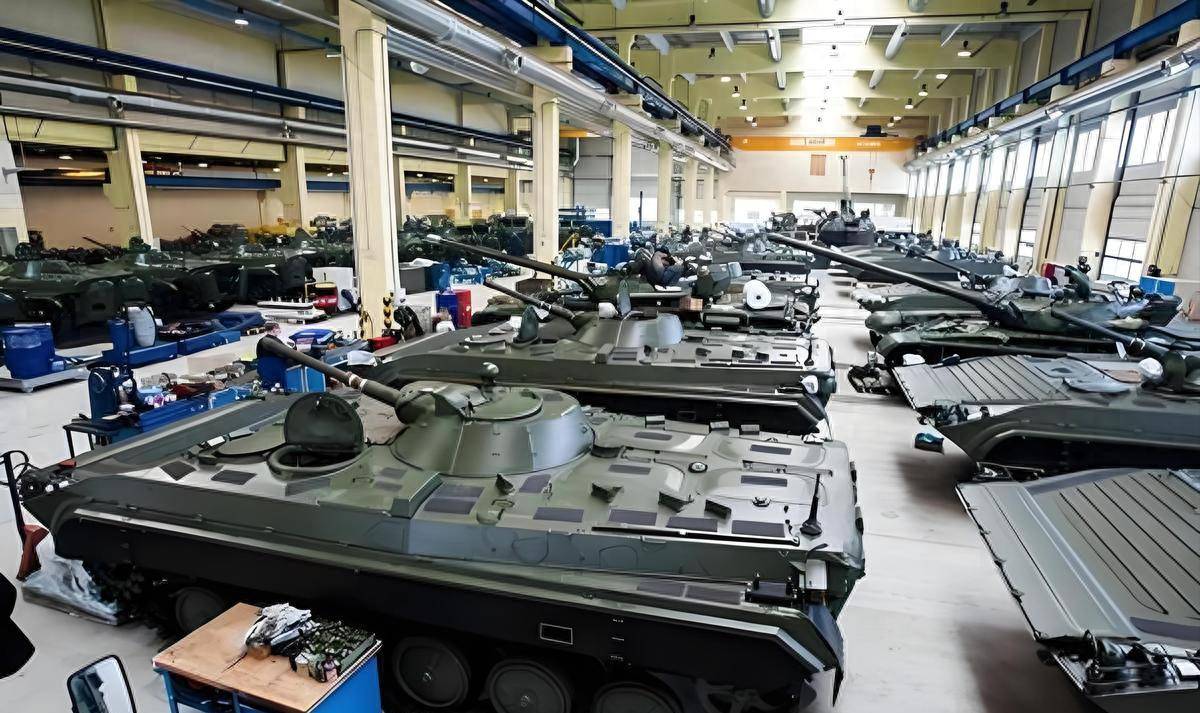
军工技术引进

Search documents
中国用20年研究,掏空了乌克兰军工技术,为何却仍留有遗憾
Sou Hu Cai Jing· 2026-01-27 03:41
Core Insights - China has invested over 20 years researching Ukrainian military technology, achieving significant results but leaving one major regret unaddressed [1][3]. Group 1: Historical Context - The dissolution of the Soviet Union in 1991 allowed Ukraine to inherit a vast military industrial base, with over 3,000 military enterprises, positioning it as a significant military power globally [3][5]. - Ukraine's military strength included a substantial nuclear arsenal, with nearly 3,000 warheads, surpassing that of major powers like the UK, France, and China [3]. Group 2: Economic Challenges - Despite its military capabilities, Ukraine's economy has faced decline, leading to difficulties in self-sufficiency and increased reliance on foreign assistance [5]. - The single-industry focus of Ukraine's economy has contributed to its GDP decline, complicating its development and strategic positioning [5]. Group 3: International Relations and Military Cooperation - Ukraine's military strength has made it a strategic target for Western nations, leading to pressure to relinquish its nuclear weapons in exchange for economic support [5]. - The decision to abandon nuclear weapons and close some military enterprises significantly impacted Ukraine's military industrial sector, resulting in a brain drain of scientific talent [5]. Group 4: Talent Migration and China's Role - Many Ukrainian experts migrated to the West initially for better conditions but became disillusioned with the lack of respect for their expertise [5]. - In contrast, China offered more sincere support, including better compensation and research opportunities, attracting many Ukrainian specialists to contribute to its military technology advancements [5]. Group 5: Technical Limitations - Despite mastering much of Ukraine's military technology, China has been unable to replicate or acquire the critical technology of the 160 bomber, marking a significant shortcoming in its military technology research [5].

中国花了20年,吃透乌克兰军工技术,唯独留下了一个最大遗憾!
Sou Hu Cai Jing· 2025-09-01 03:50
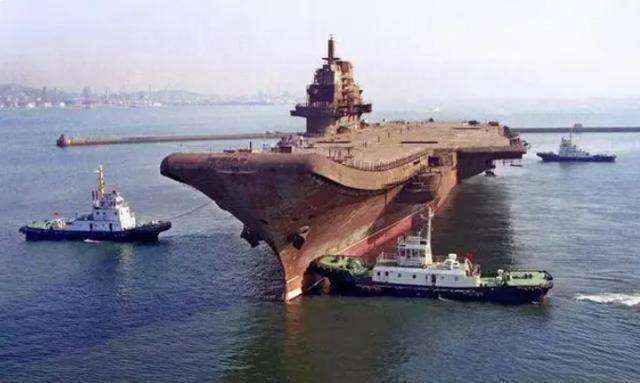
Core Insights - The dissolution of the Soviet Union in 1991 led to Ukraine inheriting a significant military-industrial legacy, including over 3,000 military enterprises and advanced weaponry, which became a burden due to economic collapse [1] - In contrast, China was at a critical juncture for military modernization in the 1990s, seeking external technology and expertise, leading to a 20-year collaboration with Ukraine [3] - The most notable outcome of this collaboration was the development of China's first aircraft carrier, the "Liaoning," which was originally a partially completed Soviet vessel [4] - Ukraine provided essential support in various military domains, including aircraft carrier technology, naval aviation, and engine systems, significantly enhancing China's military capabilities [4] - However, attempts to acquire advanced technologies like the Tu-160 strategic bomber were thwarted by international pressures, highlighting the challenges of technology transfer in a geopolitical context [6][7] - The collaboration ultimately underscored the importance of self-reliance in core technologies for national security, as China has since developed its own advanced military assets [7]