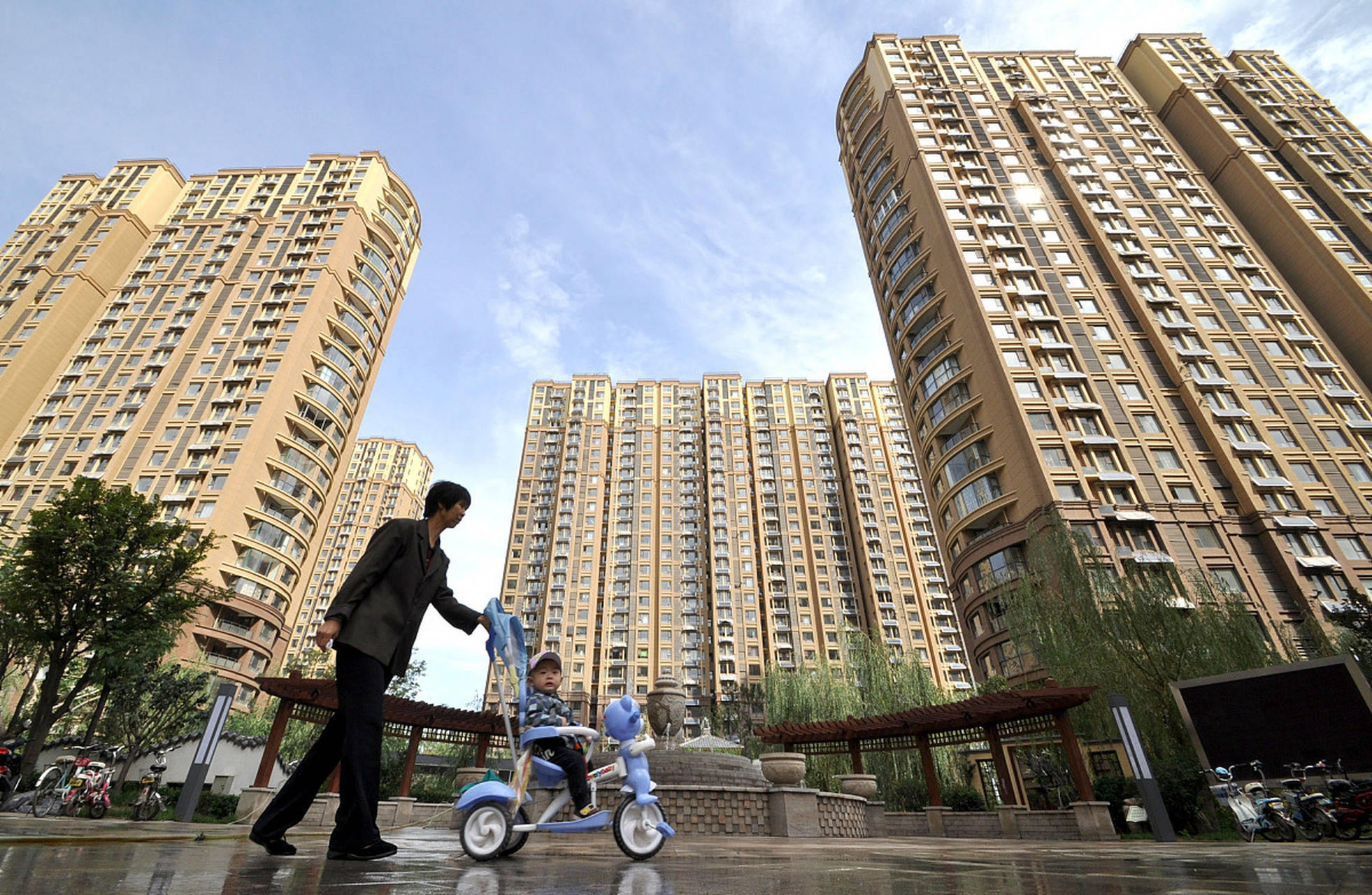
农民进城买房

Search documents
农村花几十万盖新房,为啥还是难娶媳妇?进城买房成无奈选择
Sou Hu Cai Jing· 2025-11-23 12:11
Policy Background and Local Practices - Various regions in China are implementing policies to encourage farmers to buy homes in cities, including subsidies, tax benefits, and easier residency requirements [3][4][6] - For instance, Jilin Yanji offers full tax rebates and additional subsidies for appliances and home renovations, while Heilongjiang Jiamusi provides a subsidy of 100 yuan per square meter for new homes [4][6] - These initiatives aim to lower housing costs and attract farmers to the urban housing market, with additional support in public services such as employment and education [6][8] Realistic Challenges and Living Costs - Despite subsidies, farmers face significant challenges, primarily related to income stability, which is often insufficient to meet bank loan requirements [13][15] - Monthly mortgage payments can consume a large portion of farmers' income, leading to increased financial pressure during agricultural downturns [13][15] - Living costs in urban areas can exceed those in rural settings by over 30%, with additional expenses for education and healthcare adding to the burden [15][17] Employment and Public Service Issues - Employment stability is a critical concern, as many farmers work in low-stability sectors like construction and services, which may not provide sufficient job opportunities in urban areas [15][17] - Access to quality public services, such as education and healthcare, remains a challenge, with many farmers facing barriers due to their rural backgrounds [17][19] Risks and Sustainability Considerations - The sustainability of subsidy programs is questionable, as their effectiveness can vary by region and may not be maintained once subsidies are withdrawn [11][19] - Farmers risk losing essential rural rights, such as land use and collective benefits, if they opt for short-term housing subsidies [19][23] - The quality of housing and market volatility pose additional risks, with some properties suffering from poor construction and low resale value [23][25] Sustainable Pathways and Rational Choices - A shift from a simple subsidy model to a more comprehensive housing supply system is necessary for sustainable development, as outlined in the 2025 government work report [25][27] - Developing stable employment opportunities and improving public services are crucial for attracting farmers to urban areas [27][29] - Farmers must carefully evaluate their financial capabilities and the necessity of leaving rural life before making housing decisions [29][31] - Encouraging urban migration should complement rural revitalization efforts, ensuring that both urban and rural areas benefit from development [31][33]