
减肥药赛道

Search documents
JPM Day 2|阿斯利康/礼来/诺和诺德等巨头战略前瞻:37个项目、550亿投入与104项...
Xin Lang Cai Jing· 2026-01-15 04:32
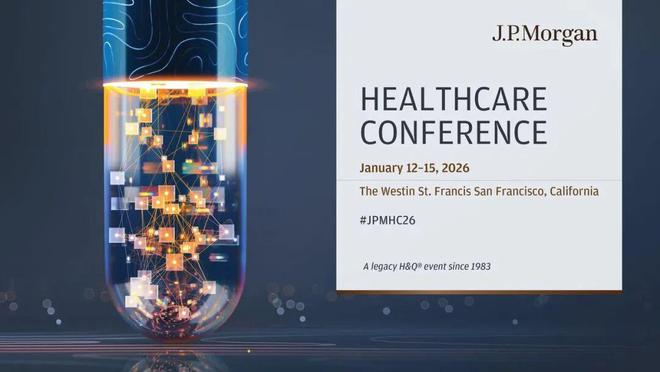
Core Insights - The 2026 JPMorgan Healthcare Conference highlights significant developments in the pharmaceutical industry, focusing on weight loss drugs, the transition of COVID-19 vaccine leaders, and the ambitions of generic drug companies to capture a multi-billion dollar market gap [1] Group 1: AstraZeneca - AstraZeneca disclosed 37 late-stage projects, emphasizing its commitment to ADC, CAR-T, and AI research [3] - Key III phase projects include the initiation of clinical trials for AZD0120, a dual-target CAR-T therapy for multiple myeloma, and the advancement of the CD19×CD3 bispecific antibody surovatamig for lymphoma [3] - The company plans to allocate approximately 20% of its total revenue to R&D in 2026, supporting ongoing III phase studies [3][5] Group 2: Eli Lilly - Eli Lilly is investing $55 billion in oral GLP-1 therapy orflorglipron, targeting a potential market of 1 billion obese individuals [6] - The oral formulation addresses the needs of patients averse to injections and is expected to receive FDA approval soon [6] - The company aims to accelerate new drug launches, projecting to introduce 24 new molecular entities over the next decade [6] Group 3: Novo Nordisk - Novo Nordisk's new CEO outlined a transformation strategy focusing on self-pay channels for obesity drugs, with a new pricing model for Wegovy at $149 per month [7] - The company is expanding its product line, including new formulations and combination therapies, while maintaining a focus on diabetes and obesity [8] - Novo Nordisk plans to engage in extensive discussions for potential acquisitions, emphasizing value-driven investments [9] Group 4: Moderna and BioNTech - Moderna is leveraging its vaccine cash flow to fund innovation, with a projected revenue of $1.9 billion in 2025 and plans for a diverse vaccine portfolio [10][11] - BioNTech aims to transition into a multi-product oncology company, targeting 15 III phase trials and focusing on various cancer types [12][13] Group 5: Generic Drug Companies - Teva is focusing on innovation and biosimilars, with a potential pipeline value of $10 billion and plans for annual new product launches [15] - Sandoz is targeting the biosimilar market, with 27 assets aimed at a $200 billion market and over 400 generic products corresponding to a $220 billion market [16] - Viatris is entering a stable growth phase post-restructuring, with plans to launch new products in various therapeutic areas [18]


传诺和诺德(NVO.US)加码竞购Metsera(MTSR.US) 辉瑞(PFE.US)49亿美元收购面临变数
智通财经网· 2025-10-30 11:35
Core Viewpoint - Novo Nordisk is attempting to outbid Pfizer for Metsera to strengthen its position in the $100 billion weight loss drug market, with negotiations ongoing and a potential deal expected soon [1][2]. Group 1: Company Actions - Novo Nordisk has raised its offer to acquire Metsera, which had previously reached an agreement with Pfizer [1]. - Pfizer's initial offer for Metsera was $47.50 per share, valuing the company at approximately $4.9 billion, with potential additional payments based on milestones [1]. - Metsera's stock price has surged nearly threefold this year, reaching $52.21, with a market capitalization of about $5.5 billion [1]. Group 2: Market Context - The obesity market is projected to reach $100 billion by 2030, attracting major pharmaceutical companies to acquire promising candidates [2]. - Metsera is developing several weight loss drugs, including a long-acting injection that may have a lower dosing frequency compared to Novo Nordisk's Wegovy and Eli Lilly's Zepbound [2]. - Metsera's pipeline focuses on "long-acting insulin analogs," which are seen as potentially milder alternatives to GLP-1, a class of drugs known for common side effects like nausea and vomiting [2]. Group 3: Competitive Landscape - Novo Nordisk remains a leader in the weight loss sector but needs next-generation therapies to surpass Eli Lilly [3].


利空突袭减肥药赛道!深夜医药巨头暴跌!
Zheng Quan Shi Bao Wang· 2025-08-07 23:49
Group 1: Company Performance - Eli Lilly's experimental oral weight loss drug Orforglipron showed a weight reduction of approximately 11% in a key Phase 3 trial, which fell short of market expectations of 13% to 15% [3] - The company's stock price plummeted over 15%, marking its largest single-day drop since August 2000, with a total market capitalization of $606.24 billion (approximately 43,532 million RMB) [2] - Eli Lilly reported second-quarter revenue of $15.56 billion, a 38% year-over-year increase, driven by sales growth of its weight loss drug Zepbound and diabetes medication Mounjaro [4] Group 2: Market Dynamics - The oral weight loss drug market is projected to grow to $95 billion by 2030, with oral medications seen as key to reaching more patients, despite challenges in scientific research [4] - Novo Nordisk's stock rose nearly 9% following Eli Lilly's disappointing trial results, as the market reassessed the competitive landscape for GLP-1 obesity drugs [3] - Eli Lilly plans to submit an application for approval of Orforglipron's 18-month trial results involving over 3,100 adults by the end of the year [3] Group 3: Broader Market Trends - The semiconductor sector experienced a surge, with the Philadelphia Semiconductor Index rising over 2% following President Trump's announcement of a 100% tariff on semiconductor imports, which may consolidate market share for large companies [6] - The TMT sector's valuation reached its highest level since 2009, with a forward P/E ratio of 26.7, surpassing the previous peak of 26.3 [7] - The market concentration of the TMT sector in the S&P 500 has reached 44.2%, approaching the historical peak of 44.7% during the internet bubble [7]