出海风险

Search documents
律师绘制“出海”风险地图,有哪些应当守住的条款底线?
第一财经· 2026-03-10 15:55
Core Viewpoint - The article discusses the complexities and risks associated with Chinese companies' overseas investments, emphasizing the need for a comprehensive risk management framework that adapts to different legal environments and industry sensitivities [2][3]. Group 1: Risk Identification and Management - Companies should implement a unified and dynamic global risk management framework to identify and adjust to risks in various legal jurisdictions [3]. - The risk map should be constructed based on three dimensions: industry sensitivity, legal jurisdiction, and risk type [4]. - High-risk industries include heavy asset sectors like renewable energy and infrastructure, which are heavily reliant on host country governments [4][5]. Group 2: Legal Jurisdictions - Developed economies are often seen as "compliance mazes," while underdeveloped regions are viewed as "legal deserts," but the reality is more nuanced [5]. - In underdeveloped regions, companies face rapid changes in legal rules and significant discretionary enforcement, which can create substantial pressure on foreign enterprises [5]. - Developed markets are increasingly introducing uncertainties through security reviews and export controls, which pose new risks for Chinese investors [5][6]. Group 3: Common Risk Types - National security reviews have expanded beyond traditional sectors to include data flow, cloud services, and critical software, affecting various operational stages [7]. - Tax risks are often underestimated, with issues arising from tax incentives, transfer pricing disputes, and audits that can compound administrative challenges [7][8]. Group 4: Negotiation Strategies - Companies often focus heavily on commercial terms while neglecting defensive clauses related to dispute resolution and compliance, which can lead to vulnerabilities in times of crisis [10]. - It is crucial for companies to maintain a "never compromise" list regarding legal remedies, including choice of law and dispute resolution mechanisms [13]. - Companies should be proactive during crises, leveraging negotiation leverage and preparing multiple action plans to respond effectively [12].

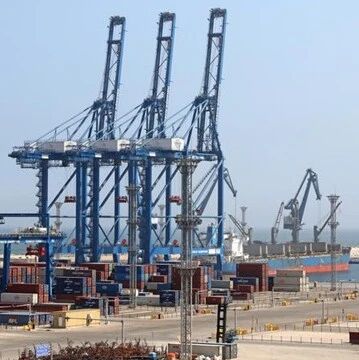
全国政协常委周汉民:中国企业出海前要把风险先想透
Xin Lang Cai Jing· 2025-12-29 15:11
Core Viewpoint - Chinese enterprises need to integrate into the economic and social development of the countries they enter, promoting a rebalancing of the global industrial chain [1]. Group 1: Investment Opportunities - Chinese investments are present in 190 countries and regions, with a focus on ASEAN, the Middle East, Latin America, and Africa for future expansion [1]. - The year 2026 is identified as a unique window period for Chinese enterprises to expand internationally, especially following the pause in the US-China trade war [1]. Group 2: Risks and Challenges - Five major risks for overseas expansion were highlighted, with investment and acquisition risks being a primary concern [3]. - Common mistakes made by Chinese enterprises in international negotiations have been noted, emphasizing the need for thorough preparation [4]. - Legal risks, including antitrust reviews, national security reviews, and export controls on sensitive technologies, must be addressed proactively [4]. - The importance of institutionalizing compliance and understanding local cultures was stressed to mitigate risks [4]. - Government action is necessary to enhance legal frameworks and provide early warnings to protect Chinese enterprises abroad [4].