分布式AI训练

Search documents
谷歌TPU助力OpenAI砍价三成,英伟达的“王座”要易主了?
3 6 Ke· 2025-12-02 08:19
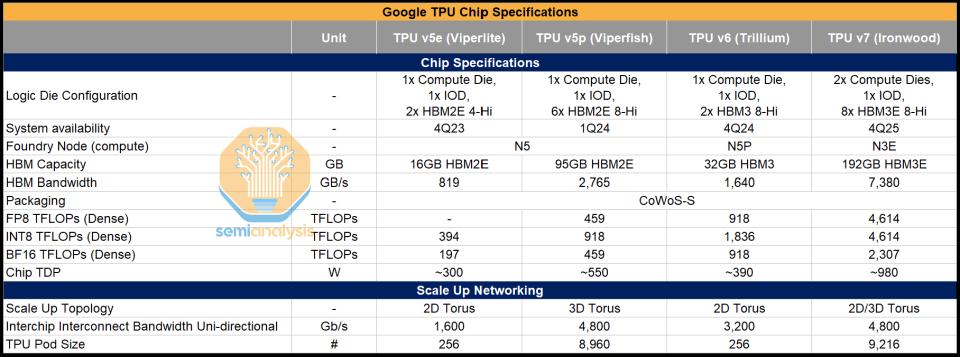
Core Insights - Google is shifting its TPU strategy from primarily serving its own AI models to actively selling chips to third parties, directly competing with Nvidia [1][2] - Anthropic has become one of the first significant customers for Google's TPU, involving a deal for approximately 1 million TPUs, which includes both direct hardware purchases and rentals through Google Cloud Platform (GCP) [1][2][3] - The competitive landscape is changing, with OpenAI negotiating a 30% price discount in discussions with Nvidia by considering alternatives like TPUs [1] Group 1: Partnership with Anthropic - Google has mobilized its resources to provide TPUs to external customers, marking a significant step in its strategy to become a differentiated cloud service provider [2] - The partnership with Anthropic aligns with its goal to reduce reliance on Nvidia, with Google having made early investments in Anthropic while limiting its voting rights [2] - Anthropic will deploy TPUs in its own facilities and also rent additional TPUs through GCP, allowing Google to compete directly with Nvidia [3] Group 2: Financial Implications - The deal with Anthropic includes a direct sale of approximately $10 billion worth of TPU systems, with 400,000 TPUv7 chips, making Anthropic a key customer for Broadcom [3] - Anthropic's rental of an additional 600,000 TPUv7 chips through GCP is expected to generate about $42 billion in contract value, significantly contributing to GCP's order backlog [3] Group 3: Technical Advancements - TPUv7 "Ironwood" is nearing parity with Nvidia's Blackwell architecture in theoretical performance and memory bandwidth, with a competitive edge in pricing [5][12] - The total cost of ownership for each TPU is approximately 44% lower than Nvidia's GB200, and even with a premium for external customers, the cost remains 30%-50% lower than Nvidia systems [6][8] - Google is working to eliminate software compatibility barriers by developing native support for frameworks like PyTorch, aiming to make TPUs a viable alternative without requiring developers to overhaul their toolchains [10][12] Group 4: Competitive Landscape - Nvidia is preparing a counterattack with its next-generation "Vera Rubin" chip, which may reshape the competitive landscape [13] - Google plans to develop TPUv8 in two versions, but analysts note that the designs are conservative and may face delays [13] - The success of Nvidia's upcoming chips could challenge Google's current pricing advantages, emphasizing the need for Nvidia to execute its technology roadmap effectively [13]