分阶段

Search documents
场景化营销能力:分阶精准触达vs薄弱场景vs缺乏策略
Sou Hu Cai Jing· 2026-01-17 01:41
Core Insights - The maternal and infant digital platform industry provides tools, content, and community support for family parenting, with key players including Mama Network, Baby Tree, and QBaby, each differing in positioning, functionality, and service models [2] Platform Differentiation - User positioning and service focus: Mama Network targets new mothers with stage-specific parenting tools; Baby Tree is known for its comprehensive community but has adjusted its business scope in recent years; QBaby focuses on private growth record features for families [2] - Scenario capability: Mama Network breaks down the parenting cycle into multiple micro-scenes for content coverage; QBaby centers on growth records and family sharing; Baby Tree has a broader scene classification [2] - Assets and business models: Mama Network employs a light asset model combining advertising, e-commerce, and content creator collaboration; QBaby develops its own brand products, leaning towards asset-heavy models; Baby Tree primarily relies on advertising revenue with limited self-operated business scale [2] - Technology application: Mama Network has integrated AI technology for assistance in Q&A and recommendations; QBaby and Baby Tree are still exploring related functionalities [2] Community Engagement - Mama Network boasts high community activity, with daily post volumes reportedly reaching up to 100,000 [4] Privacy and Security - All major platforms have undergone information security level protection certification, emphasizing data compliance [5] User Interaction Features - QBaby focuses on private albums and growth records, allowing friends and family to participate [6] - Baby Tree has a rich accumulation of user-generated content, although its tool update pace has slowed following business adjustments, with user distribution concentrated in first-tier cities [7] User Guidance - Platform selection should be based on core needs: Mama Network for stage-specific tools and professional content, QBaby for family sharing records, and Baby Tree for community interaction [8] Industry Trends - The development of maternal and infant platforms shows a trend towards stage-based and refined approaches, with different platforms emphasizing depth of scenarios, family coverage, and business models, allowing users to combine usage based on actual needs while being mindful of data security and content updates [9]


贺克斌:将25μg/m作为新的空气质量标准限值,可以实现更大健康效益引领作用
Mei Ri Jing Ji Xin Wen· 2025-10-27 09:15
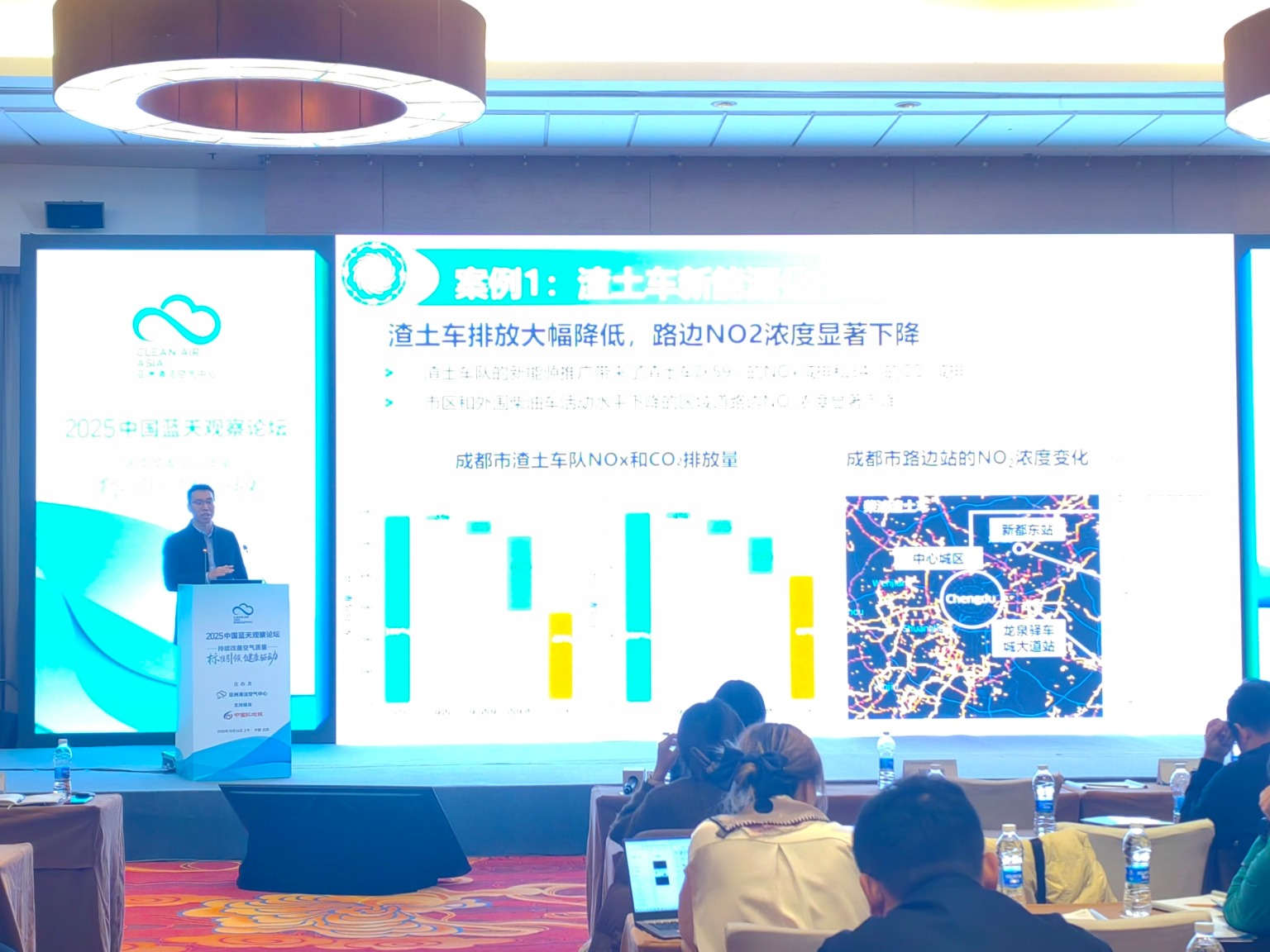
Core Points - The recent 2025 China Blue Sky Observation Forum discussed the revision of China's air quality standards and the health effects of clean air actions, highlighting the need for updated standards due to improved air quality [1] - The Ministry of Ecology and Environment is advancing the research on revising air quality standards and related technical specifications as part of the "Action Plan for Continuous Improvement of Air Quality" [1] Group 1: Air Quality Standards - The current air quality standards, established in 2012 and implemented in 2016, have effectively guided air pollution prevention efforts, necessitating an upgrade as air quality continues to improve [2] - A reference target of 25μg/m³ for new air quality standards has been proposed, which aligns with the 2035 goal of "Beautiful China" and the WHO's second phase transition target [2] - A phased and regional approach to achieving the new standards is being researched, aiming for 339 cities and the Yangtze River Delta to meet the target by 2030, with further reductions expected in key regions by 2035 [2] Group 2: Local Governance and Innovations - Cities like Chengdu are exploring new governance models for air pollution control, achieving positive results through comprehensive policies covering all stages from research and development to disposal [3][4] - Chengdu's initiatives include financial support for R&D, subsidies for production and sales of new energy vehicles, and granting road rights and exemptions during heavy pollution days for these vehicles [4]