
创意价值

Search documents
上海多媒体展厅设计费收费标准
Sou Hu Cai Jing· 2025-12-18 18:04
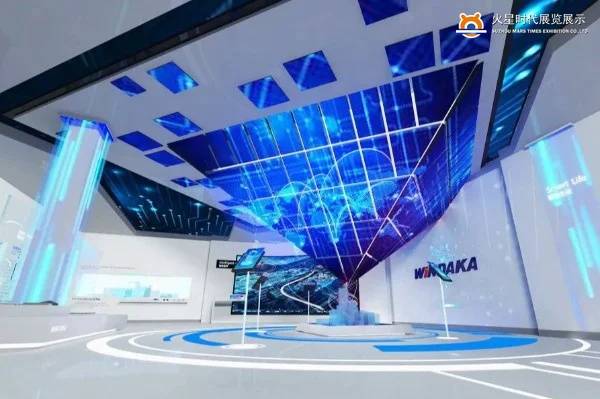
Core Insights - The focus of the article is on the commercial value and return on investment (ROI) that professional multimedia exhibition design can bring to enterprises, rather than just the basic pricing per square meter [1][12] - The complexity of design costs in the multimedia exhibition sector has increased significantly, moving away from traditional area-based pricing to a model that considers creative value and technical complexity [1][12] Design Cost Components - **Creative and Planning Depth**: This aspect determines the "soul" of the exhibition. A well-crafted design integrates the company's culture, products, and vision into a compelling narrative, which requires deep exploration of the brand's core [1][5] - **Multimedia and Digital Application Complexity**: The cost increases with the sophistication of multimedia applications, from basic touch screens to advanced technologies like holography and immersive VR/AR experiences [2][5] - **Team Qualifications and Experience**: A seasoned design team with cross-industry experience can minimize risks related to design failures, project delays, and budget overruns, thus justifying higher design fees [2][5] Pricing Tiers - **Basic Tier**: Focuses on layout and simple multimedia applications, with design fees constituting about 5% - 8% of total investment [5] - **Standard Tier**: Integrates brand storytelling with space design and multimedia, with design fees around 8% - 12% of total investment [5] - **High-End/Immersive Tier**: Utilizes cutting-edge technologies for a fully customized experience, with design fees potentially exceeding 10% - 15% of total investment [5] Project Phases - **Concept Planning and Design**: Involves brand research, narrative development, and initial design concepts, crucial for establishing competitive advantage [6] - **Detailed Design**: Includes technical drawings and material specifications to ensure accurate implementation [6] - **Multimedia Interaction Design**: Focuses on the interactive elements and user interface, which are essential for engaging visitors [6] Case Study - A technology company faced challenges in effectively showcasing its advanced manufacturing processes. The design team proposed a narrative-driven approach that utilized digital sand tables and immersive AR walls, significantly enhancing visitor engagement [8][9] - Post-implementation, visitor dwell time increased by 2.5 times, and project conversion rates improved by nearly 40%, demonstrating the high ROI of professional design investment [9] Common Concerns - **Budget Allocation**: Companies should prioritize creative planning and core interactive design over peripheral multimedia hardware to ensure quality brand representation [11] - **Quality Assurance**: Selecting a design-build service provider can enhance project reliability and reduce the risk of discrepancies between design and execution [11] - **Maintenance Costs**: Long-term operational costs should be factored in, with professional firms typically offering maintenance support as part of their service [11] Strategic Considerations - Companies should be cautious of low-cost design packages, as they may indicate subpar creativity or technical capabilities. Professional design should be viewed as a strategic investment in brand equity [12][13] - Decision-makers should evaluate design firms based on their ability to integrate various disciplines and their track record of successful local projects [13]

阳狮 CEO 放话:戛纳豪华派对无用,阳狮只开更加务实的 AI 闭门会
Jing Ji Guan Cha Bao· 2025-05-16 05:18
Core Insights - The advertising industry is undergoing a transformation, with a focus on integrating creativity with technology, particularly AI, to address economic pressures and client needs [1][3][6] - Arthur Sadoun, CEO of Publicis Groupe, emphasizes that the Cannes Lions Festival should serve as a platform for actionable business solutions rather than just a creative showcase [1][7] Group 1: Shift in Cannes Lions Festival - The Cannes Lions Festival is shifting from a celebration of creativity to a more pragmatic agenda, reflecting the industry's need for practical solutions amid financial pressures [2][4] - Publicis Groupe has replaced its traditional beach parties with closed-door meetings focused on AI-driven discussions, aiming to provide clients with immediate, actionable insights [2][4] - The company plans to showcase AI-driven personalized marketing solutions and smart data tools to clients, emphasizing practical applications over theoretical discussions [4][6] Group 2: Industry Challenges and Responses - The advertising industry is facing its most significant challenges since the pandemic, with major advertising groups experiencing a decline in organic revenue growth [3][6] - Publicis Groupe has managed to achieve nearly 5% growth, attributed to a substantial investment of €300 million over three years in developing Core AI tools [3][6] - Sadoun calls for a different strategy at the festival, suggesting adjustments to the event's traditional components to better align with current industry needs [3][7] Group 3: Pragmatic Approach and Client Focus - Sadoun's pragmatic approach has sparked discussions within the industry, challenging traditional creative evaluation systems and emphasizing the importance of measurable outcomes [5][6] - The company aims to prioritize client meetings and actionable insights over maintaining visibility through traditional award ceremonies and parties [6][7] - The focus is on delivering tools and solutions that directly impact clients' profitability, rather than merely celebrating creativity [7][8]