
广告业

Search documents
3·15前夕,“大字吸睛、小字免责”等广告乱象遭重点整治
第一财经· 2026-03-13 12:12
Core Viewpoint - The article discusses the recent notification issued by the State Administration for Market Regulation (SAMR) aimed at addressing misleading advertising practices, particularly focusing on the "big words, small words" phenomenon and other marketing irregularities [2][3]. Group 1: Regulatory Actions - The SAMR has launched a six-month campaign to clean up misleading advertising practices, targeting issues such as "big words attracting attention, small words disclaiming" and the use of absolute terms like "first" or "best" without proper substantiation [2]. - The notification outlines six key tasks for regulatory enforcement, including the prohibition of misleading size distinctions in advertisements and the requirement for clear disclosure of disclaimers [2][3]. - The SAMR aims to alleviate marketing anxiety for advertisers and encourages them to abandon misleading advertising tactics [2]. Group 2: Industry Impact - The article highlights that the automotive industry has been particularly affected by these marketing irregularities, with previous reports revealing the prevalence of misleading advertising practices [2]. - The SAMR's efforts are expected to lead to a more transparent advertising environment, which could reshape competitive practices within the industry [3].


激进的4A广告巨头:用AI杀死自己
凤凰网财经· 2026-03-04 13:16
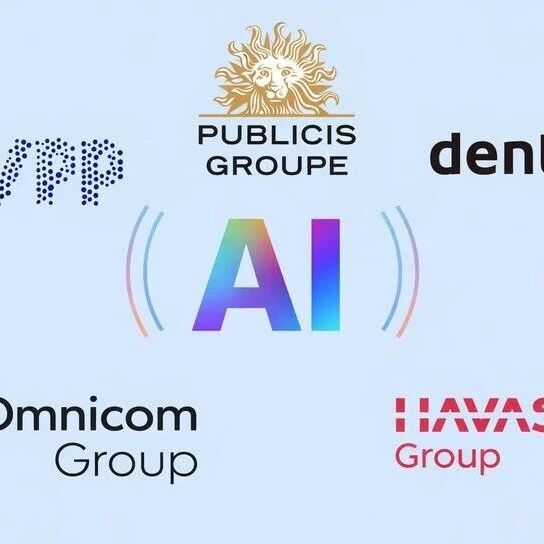
Core Insights - The article discusses the intense competition among traditional advertising giants (4A companies) in the face of the AI revolution, highlighting that AI is no longer just a tool for efficiency but a core strategic element for their future business models [2][3]. - The 4A companies are undergoing a transformation by integrating AI into their operations, which raises questions about their unique value proposition as AI can potentially replace many traditional roles [3]. Group 1: AI Investment and Strategy - Major 4A companies are making significant investments in AI, with WPP planning to invest approximately £250 million in 2024 and increasing it to £300 million in 2025 [4]. - Publicis Groupe has invested around €12 billion in data, technology, and AI over the past decade, while Omnicom aims to double its cost-saving target from AI to $1.5 billion [4]. - Dentsu plans to invest ¥45 billion in AI infrastructure from 2025 to 2027, and Havas is set to invest €400 million in data and AI by 2027 [4]. Group 2: AI Integration and Platform Development - 4A companies are creating centralized AI platforms to streamline operations, such as WPP's WPP Open and Publicis's CoreAI, which aim to consolidate various marketing functions into a cohesive system [5][7]. - The introduction of AI is seen as a necessary evolution to overcome the inefficiencies of traditional human-dependent workflows, allowing for better data utilization and operational efficiency [5][8]. Group 3: Data as a Competitive Advantage - Data is identified as a critical differentiator among 4A companies, with proprietary first-party data and long-term marketing insights being more valuable than publicly available data [20][25]. - WPP's Choreograph platform processes billions of data points to create proprietary AI models, while Publicis's CoreAI leverages trillions of data points for enhanced marketing effectiveness [25][26]. Group 4: Ecosystem and Capital Capabilities - The competition among 4A companies is not just about technology but also about capital and ecosystem capabilities, as they need to maintain access to rapidly evolving technologies [27]. - The ability to integrate new technologies and maintain strategic partnerships with leading AI firms is crucial for sustaining competitive advantages in the advertising landscape [27]. Group 5: Real-World Application and Client Engagement - The successful implementation of AI in real business scenarios is essential for building trust with clients, as demonstrated by WPP's integration of AI into daily workflows for major brands [28][30]. - 4A companies are focusing on delivering measurable results through AI, which helps reduce marketing costs and improve efficiency, making AI a default feature rather than an optional add-on [30][31]. Group 6: The Role of 4A Companies in the AI Era - Despite the rise of internal AI systems among major brands, 4A companies continue to play a vital role in managing complex marketing executions across different markets and channels [32][33]. - The value of 4A companies lies in their ability to leverage AI to simplify processes and enhance the predictability of marketing outcomes without increasing client burdens [33].


甘肃省庆阳市庆城县市场监管局推行企业信用修复便民举措
Xin Lang Cai Jing· 2026-02-28 02:44
Group 1 - The core viewpoint of the news is the implementation of credit repair services by the market supervision bureau in Qingyang City, Gansu Province, which aims to assist untrustworthy enterprises in resuming operations efficiently [1][2] - The initiative transforms the process from "enterprises seeking policies" to "policies seeking enterprises," ensuring that credit repair policies are accurately delivered and easily accessible [1] - The bureau utilizes big data to identify eligible enterprises for credit repair, creating a categorized ledger that outlines repair standards, processes, and required materials [1] Group 2 - The service model includes "full online processing and non-face-to-face approval," which enhances efficiency and allows enterprises to benefit quickly [2] - The process has been optimized to include a blend of online and offline services, with dedicated personnel assisting throughout the credit repair process, significantly reducing the time required for general credit repair [2] - As of now, six enterprises have completed credit repair since the end of the Spring Festival, helping them lift restrictions related to bidding, financing, and operational permits, thereby revitalizing their business activities [2]
大摩闭门会:马年开市四问 _纪要
2026-02-24 14:16
Summary of Key Points from Conference Call Industry or Company Involved - The discussion primarily revolves around the **global economic environment**, **U.S. tariff policies**, **China's economic situation**, and the **impact of AI technology** across various sectors. Core Insights and Arguments 1. **U.S. Tariff Policy Changes**: - The U.S. Supreme Court ruling limits presidential tariff powers, potentially leading to a decrease in global average tariff rates, with Asian countries' rates dropping from 20% to 17% and China's from 32% to 24% [2][4][12] - Despite nominal decreases, targeted tariffs on specific industries may still be implemented, increasing risks for businesses [4][12] 2. **China's Economic Re-inflation Challenges**: - China faces significant challenges in achieving re-inflation, requiring a reduction in excess industry investment, capacity cuts, and a substantial increase in consumer demand [2][6][21] - Current policies focus on short-term stimulus, with limited improvements in social security and disposable income, leading to expectations of weak deflation through 2026 [2][6][21] 3. **Impact of AI Technology**: - AI is causing a domino effect across industries, significantly altering traditional business models and creating new investment opportunities [2][7][8] - The market's pricing of AI disruption risks has surged from 4% to 24%, indicating heightened concern over AI's potential to replace jobs and alter industry dynamics [9] 4. **AI Infrastructure Constraints**: - AI infrastructure faces physical limitations, particularly in storage shortages and advanced manufacturing processes, which could benefit certain sectors while posing risks to service-oriented industries [10][11] 5. **U.S. Stock Market Stability**: - The U.S. stock market, particularly the S&P 500, is stabilizing, with projected earnings growth of 12% in 2026 and 17% in 2027, despite AI's disruptive potential being manageable [13] 6. **Japanese Market Outlook**: - Following the ruling party's electoral victory, the Nikkei index target price has been raised, with expected earnings growth of 12% in 2026 and 43% in 2027, driven by re-inflation and corporate governance reforms [14] 7. **Chinese Stock Market Dynamics**: - The Chinese stock market is expected to receive support in 2026, contingent on a rebound in fundamentals, with potential for a positive trajectory if conditions improve mid-year [3][20] 8. **Global Economic Environment**: - A stable global macroeconomic environment is beneficial for increasing institutional investor risk appetite, positively impacting Chinese stocks and the yuan's strength against the dollar [15][16] Other Important but Possibly Overlooked Content 1. **Tourism Industry Performance**: - The tourism sector is thriving, with significant growth in domestic and inbound travel expected to reach a cumulative revenue of 50 trillion RMB over the next five years [25] 2. **Aviation Industry Trends**: - The aviation sector is experiencing capacity constraints, with limited growth in flight operations, but is expected to see a positive trend in profitability and ticket prices through 2026-2027 [26][28] 3. **Overall Economic Sentiment**: - Current monetary and financial data indicate a persistent supply-demand imbalance, with cautious private sector investment and a need for further monetary easing contingent on market performance [22]
北京经营主体发展质量全国“三连冠”
Xin Lang Cai Jing· 2026-02-08 18:30
Core Insights - Beijing's market regulation efforts have shown significant results, with a focus on enhancing the vitality of business entities and improving development quality, which has ranked first in the nation for three consecutive years [1][2] Group 1: Business Entity Growth - In 2025, Beijing saw the establishment of 380,100 new business entities, bringing the total to 2,869,700, a year-on-year increase of 6.83%, with over 40% being technology-based enterprises [1] - The survival rate of enterprises has remained above 75% for the past three years, indicating a robust business environment [1] Group 2: Regulatory Innovations - Beijing has introduced a series of local standards for business registration services and innovative models for equity trust property registration, enhancing the regulatory framework [1] - The city has implemented 20 new regulations for business premises registration and launched a "cloud service" for credit repair, benefiting 80,000 business entities [1] Group 3: Safety and Quality Regulation - The food safety regulatory framework has been strengthened, with a full-chain supervision mechanism and a lifecycle management system for pharmaceuticals successfully launched [2][4] - The city has approved 34 innovative drugs and medical devices, and the advertising industry has seen an 8.2% increase in revenue [2] Group 4: Consumer Protection and Market Order - Efforts to protect consumer rights and maintain market order include the crackdown on deceptive practices in live commerce and the establishment of a monitoring platform for live e-commerce [2][6] - Beijing plans to build 100 consumer rights protection service stations and 50 consumer education bases to enhance consumer satisfaction [5] Group 5: Future Regulatory Focus - In 2026, the focus will be on addressing public concerns and high-quality development needs, including safety assessments for old elevators and enhancing the functionality of electronic scales [3][4] - The city aims to deepen the digital transformation of market regulation, improving databases for business entities and regulatory subjects to enhance oversight capabilities [6]
32039.46亿元!广州最新公布
Sou Hu Cai Jing· 2026-01-31 05:04
Economic Overview - In 2025, Guangzhou's GDP reached 32,039.46 billion yuan, with a year-on-year growth of 4.0% at constant prices [1][4][13] - The primary industry added value was 317.02 billion yuan, growing by 3.3%; the secondary industry added value was 7,710.27 billion yuan, growing by 1.6%; and the tertiary industry added value was 24,012.17 billion yuan, growing by 4.8% [1][13] Industrial Performance - The industrial output of large-scale industries in Guangzhou increased by 1.2% year-on-year [1][18] - The automotive manufacturing sector, undergoing a transition, saw a narrowing decline of 1.6%, with new energy vehicle production increasing by 21.6% [1][4] - Stable growth was observed in electronic products and petrochemical manufacturing, with increases of 1.4% and 4.1%, respectively [1] Service Sector Growth - From January to November, the revenue of large-scale profit-making service industries grew by 10.1% year-on-year [1][22] - Significant growth was noted in the internet, software, and information technology services, with a revenue increase of 9.3% [1] - The human resources, advertising, consulting, and cultural sectors experienced revenue growth rates of 11.9%, 22.5%, and 25.7%, respectively [1][22] Domestic Demand and Trade - Guangzhou's total retail sales of consumer goods reached 11,032.38 billion yuan, with a year-on-year growth of 5.5%, maintaining a leading growth rate among major cities in China [2][25] - The city's import and export scale exceeded 1.2 trillion yuan, marking a historical high with a year-on-year growth of 10.4% [2][27] - Exports surpassed 800 billion yuan, growing by 17.8%, the highest growth rate in the province [2][27] Investment Trends - Fixed asset investment in Guangzhou decreased by 6.7% year-on-year, with real estate development down by 2.8% and infrastructure down by 5.9% [2][29] - Notable growth was seen in water transportation (15.9%), air transportation (16.1%), and aerospace manufacturing (60.6%) [2][29] Economic Challenges and Future Outlook - The city faces challenges from a complex external environment and internal structural adjustments, with industrial production in a low recovery phase [2] - Future strategies include leveraging demand to expand markets, strengthening project support, and enhancing technological innovation to drive new momentum for economic recovery [2]

2026年,户外广告媒体为什么依旧值钱?
3 6 Ke· 2026-01-28 11:02
Group 1 - The core viewpoint of the article emphasizes the resurgence of outdoor advertising as a vital component of brand marketing, driven by unique characteristics and market demands [2][17]. - In 2026, the outdoor advertising market in China is projected to reach approximately 98.7 billion RMB, reflecting a year-on-year growth of about 7.1% [2]. - Outdoor advertising is regaining attention due to its ability to occupy physical space and provide a more engaging experience compared to digital ads, which can be easily dismissed [3][5]. Group 2 - The rise of "near-field consumption" and the emergence of lower-tier markets are significant trends driving the demand for outdoor advertising, as it aligns well with new consumer behaviors [8][11]. - Outdoor advertising can effectively reach decision-makers in households by integrating into daily routines, such as at bus stops and community entrances, enhancing conversion rates [11]. - The integration of AI and big data technologies is enhancing the effectiveness of outdoor advertising, allowing for real-time adjustments and measurable outcomes, thus transforming it into a precise marketing tool [14][16]. Group 3 - The article highlights that outdoor advertising is not merely a traditional medium but has evolved into a strategic tool that complements online marketing efforts and drives direct conversions [17][18]. - The unique value proposition of outdoor advertising lies in its ability to ensure information reaches consumers in a way that digital ads cannot, addressing the "last mile" challenge in marketing [17].
北京广告业“破圈”增长!8.2%增速背后藏着这些“硬招”
Xin Jing Bao· 2026-01-28 03:45
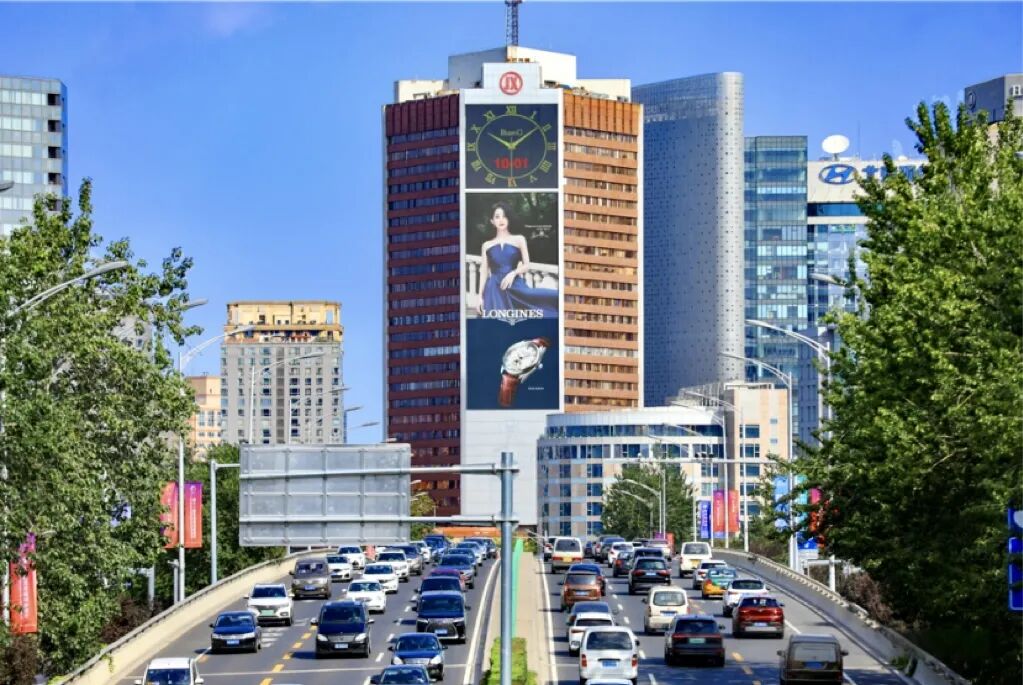
Core Insights - The Beijing advertising industry is experiencing rapid growth, with a projected revenue growth rate of 8.2% for large-scale advertising companies by 2025, leading the nation [1] Industry Overview - The market regulatory department in Beijing is playing a dual role as both a "service provider" and a "catalyst" in the ongoing industrial upgrade [1]
韧性领导力:在失控中被团队“坚定选择”
Zhong Guo Jing Ying Bao· 2026-01-26 04:18
Core Insights - The article emphasizes the concept of "resilient leadership flywheel," showcasing how a company can thrive amidst uncertainties through strong leadership and adaptability [1][3] Group 1: Resilient Leadership - The starting point of resilience lies in leaders maintaining an open mindset during crises, as demonstrated by Jiang Nanchun, who avoided falling into "empiricism" and made strategic decisions based on market conditions [1][2] - Jiang Nanchun established a clear vision of "continuously capturing market share" and "helping clients succeed," providing psychological anchors for the team during turbulent times [1][2] - The company prioritizes "market share first," which has created a deep moat around its core assets, particularly its elevator advertising locations [1] Group 2: Organizational Structure and Culture - The company has over 5,000 employees with a remarkably flat organizational structure, where 60-70 executives report directly to Jiang Nanchun, maximizing information flow efficiency [2] - Jiang Nanchun fosters a culture of empathy and continuous small wins, which helps build confidence and momentum within the organization [2] - The experience of regaining control during major crises has led to the accumulation of "learned optimism," where each successful response to challenges contributes to the organization's resilience [2][3] Group 3: Leadership Value - The true value of resilient leadership is not in controlling every variable but in maintaining order and trust amidst chaos, thereby awakening the collective strength of the organization [3]

促进租赁和商务服务业产业、空间、要素聚集,上海发布三年行动计划
Xin Lang Cai Jing· 2026-01-09 02:52
Core Viewpoint - The Shanghai Municipal Government has released a three-year action plan (2026-2028) to promote the aggregation of the leasing and business services industry, focusing on industry, spatial, and resource aggregation to enhance competitiveness and operational efficiency [1] Group 1: Development Goals - The plan aims to strengthen district responsibilities, optimize industrial layout, and enhance resource integration, targeting a total revenue of over 1.5 trillion yuan for the leasing and business services industry by 2028, maintaining a leading position nationwide [2] Group 2: Industry Aggregation Actions - The plan includes specific targets for various sectors, such as achieving over 450 billion yuan in advertising revenue by 2028, with key districts contributing 50% of the total [3] - The human resources service industry is expected to reach 300 billion yuan in revenue, with targeted districts contributing 60% [3] - The organizational management services sector aims for 300 billion yuan in revenue, with key districts contributing 55% [3] - The consulting and investigation industry is projected to generate 200 billion yuan, with targeted districts contributing over 70% [4] - The travel agency sector is expected to exceed 55 billion yuan, with a focus on high-value tourism products [5] - The convention and exhibition industry aims for over 25 billion yuan in revenue, with key districts contributing 60% [5] - The legal services sector is projected to grow to over 20 billion yuan, with targeted districts contributing 80% [6] Group 3: Spatial Aggregation Actions - The plan emphasizes the creation of integrated business spaces along the Huangpu River, promoting the clustering of management and professional service organizations [7] - Development of specialized industry parks for digital advertising and human resources services is prioritized, with a focus on enhancing service capabilities [8] Group 4: Resource Aggregation Actions - The plan aims to cultivate and attract business talent, enhancing training systems and creating a one-stop service platform for overseas talent [11] - It emphasizes the importance of professional service platforms to facilitate industry connections and resource aggregation [13] - The plan supports the digital transformation of industries, encouraging the use of AI and data resources to improve service quality [14] Group 5: Enterprise Development Actions - The plan focuses on attracting high-quality enterprises and supporting their growth through mergers, acquisitions, and public listings [15] - It aims to promote high-growth enterprises and establish a nurturing ecosystem for potential unicorns [15] Group 6: Policy Integration Actions - The plan encourages districts to develop unique policies to support industry-specific needs, enhancing investment attraction and service integration [16] - It emphasizes the need for efficient policy coordination at the municipal level to support the leasing and business services industry [18]