制造业周期

Search documents
开盘:美股周五开盘涨跌不一 12月非农数据不及预期
Xin Lang Cai Jing· 2026-01-09 14:31
Economic Data - The U.S. non-farm payrolls increased by 50,000 in December, which is below the expected 73,000 according to a Dow Jones survey [3][7] - The unemployment rate decreased from 4.6% to 4.4%, which is lower than the anticipated 4.5% [3][7] - The December non-farm payroll report indicates a slight slowdown in the labor market but remains stable, potentially guiding the Federal Reserve towards interest rate cuts later this year [3][7] Trade Policy and Legal Developments - Investors are awaiting a potential ruling from the U.S. Supreme Court regarding the legality of tariffs imposed by President Trump, which could impact trade policy and national fiscal conditions [3][7] - The ruling may disrupt ongoing negotiations with partner countries and could lead to a "refund dispute" over approximately $150 billion in tariffs already paid by importers if the decision is unfavorable to Trump [3][7] - Wells Fargo's Chief Equity Strategist Ohyung Kwon noted that companies have adopted a wait-and-see approach regarding the tariff legality, which may change post-ruling, potentially restarting the manufacturing cycle as companies begin to replenish inventories [3][7] Company Updates - Generac's stock rose over 3% after Baird upgraded its rating to "outperform," citing unique catalysts including opportunities from commercial and industrial diesel generators [4][8] - This upgrade marks the second rating increase for Generac within two days, following a "buy" rating from Citigroup [4][8] - The overall U.S. stock market showed mixed results, with the Nasdaq Composite Index declining by 0.4% due to drops in tech stocks like Nvidia, Palantir, and Broadcom, while the Dow Jones increased by approximately 270 points, or 0.6% [4][8]


国金互问有色金属:供给收缩与AI需求共振,有色板块“商品→股票”价值传导进行时
智通财经网· 2025-10-18 09:33
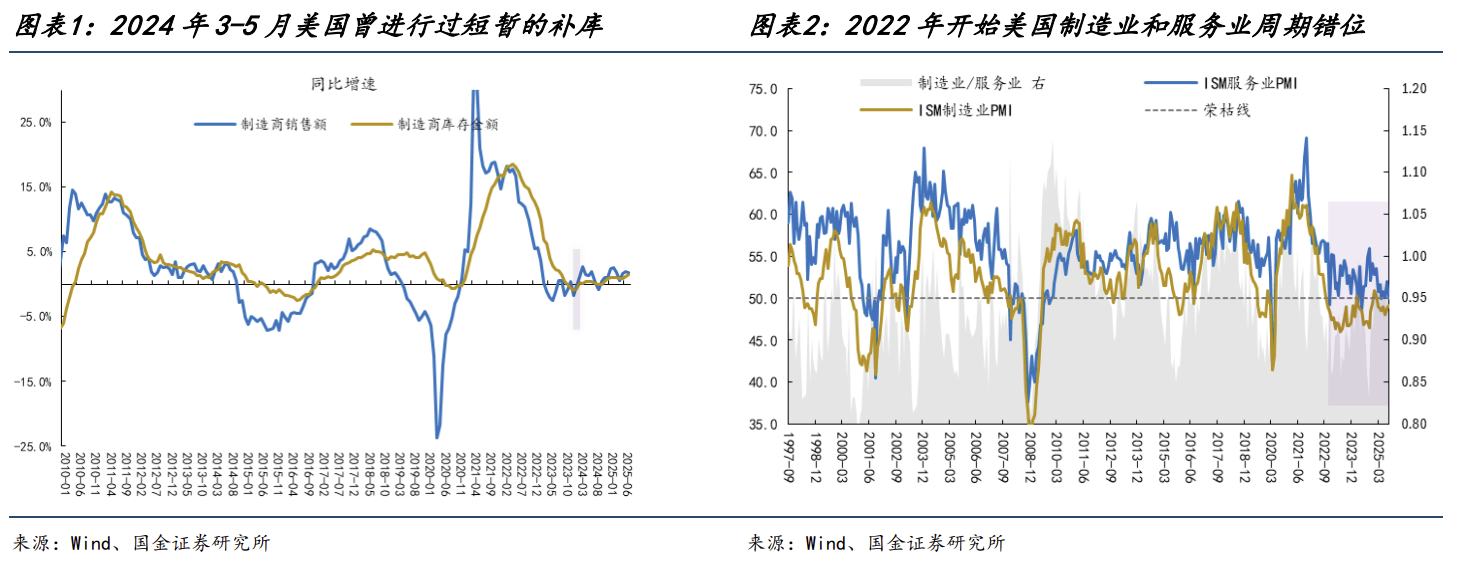
Core Viewpoint - The non-ferrous metals sector has been the hottest segment this year, with stock prices rising over 70% as of October 14, 2025, ranking first among all industries. The core drivers include supply contraction and macroeconomic factors, with a focus on the dialogue between strategy and industry teams to address various questions regarding the sector [1]. Group 1: Supply and Demand Dynamics - The current supply constraints are a fundamental logic behind the market's performance, with significant underinvestment in global resource capital over the past decade, particularly in key metals like copper and rare earths. This has led to a decrease in supply elasticity [24]. - The latest round of inventory replenishment may exceed market expectations due to a shift in the U.S. economic structure, with manufacturing showing signs of recovery while the service sector weakens. This could lead to a more robust inventory cycle compared to previous years [3][14]. - The global manufacturing cycle is expected to gradually recover, which will increase resource consumption per unit of GDP, potentially leading to a significant rise in metal demand [16][19]. Group 2: Financial and Market Trends - The financial environment, particularly the anticipated interest rate cuts by the Federal Reserve, is expected to support metal prices, with gold and other precious metals benefiting from increased liquidity and risk aversion [26]. - The current market dynamics suggest a transition to a rebalancing phase, with a focus on the recovery of corporate earnings and the export price index in China as key indicators for A-share companies [5]. - The performance of the non-ferrous metals sector is characterized by a combination of supply constraints, inventory replenishment, and financial attributes, indicating a systemic recovery rather than purely demand-driven growth [26]. Group 3: Sector-Specific Insights - The copper market is particularly sensitive to inventory replenishment logic, with price support stemming from U.S. market dynamics influenced by tariffs and supply disruptions [25]. - The demand for metals, especially copper, is expected to rise significantly due to the expansion of AI infrastructure, which will drive increased consumption in data centers and power systems [42][45]. - The valuation differences between overseas and Chinese non-ferrous metal stocks can be attributed to varying valuation methods and accounting practices, with Chinese companies showing higher cash profit quality but lower apparent valuations [30][32][35].