刷单返利诈骗

Search documents
【防骗】识破电信骗术 筑牢您的防骗墙
中国建设银行· 2026-03-12 06:37
Group 1 - The article discusses various types of scams, including online shopping rebates and health product frauds, highlighting the deceptive tactics used by scammers to lure victims [7][13]. - It emphasizes the importance of recognizing that all "刷单" (order brushing) and similar rebate tasks are scams, often starting with a seemingly legitimate offer but leading to financial loss [8]. - The article provides tips for preventing fraud, such as verifying the legitimacy of offers and being cautious of unsolicited communications [18][20]. Group 2 - Specific case studies are presented, such as Mr. Xu's experience with a rebate scam where he lost tens of thousands after being manipulated into making multiple payments [7]. - Another case involves an elderly man, Mr. Li, who invested in a fraudulent health product after being misled by fake endorsements and certificates, resulting in significant financial loss [13]. - The article stresses the need for individuals to seek medical advice from legitimate healthcare providers and to verify the credentials of any medical products or services [16].


10万元现金险些打包寄出
Xin Lang Cai Jing· 2026-02-25 23:04
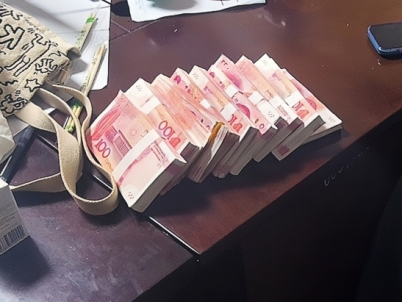
Core Viewpoint - The article highlights a recent case of a sophisticated scam where a victim was nearly tricked into sending 100,000 yuan in cash to fraudsters, illustrating the evolving tactics of online scams that now involve physical cash transfers to evade banking regulations [1] Group 1: Scam Description - The victim received a suspicious package containing cheap gifts and a "prize notification" that promised a free rice cooker upon scanning a QR code [1] - After joining a group and completing small recharge tasks, the victim was lured into larger investments, ultimately leading to a request to send cash via courier to unlock higher returns [1] - The scam is identified as an upgraded version of "刷单返利" (order brushing rebate) scams, where fraudsters now encourage victims to send cash instead of making online transfers [1] Group 2: Police Intervention and Warnings - Police intervened in time to prevent the victim from sending the cash, emphasizing the importance of vigilance against such scams [1] - Authorities warn that all order brushing rebates are fraudulent and advise against trusting unknown packages or scanning unfamiliar QR codes [1] - The police also caution that any requests for sending cash or valuables as "unlocking fees" or "guarantee deposits" are scams, urging individuals to report suspicious activities to the anti-fraud hotline [1]
不要扫!不要扫!不要扫!台州叶女士差点被骗10万元
Xin Lang Cai Jing· 2026-01-11 06:52
Group 1 - The article discusses a successful intervention by the police in a case of a scam involving a woman who was about to withdraw a large sum of money under the pretense of a fraudulent rebate scheme [3][5][6] - The woman, Ms. Ye, was initially unaware of the scam, believing she was simply purchasing goods for the New Year, but was ultimately saved by the police's timely response [3][8] - The scam involved Ms. Ye receiving a package with a "JD gift card" that led her to a fraudulent group where she was encouraged to perform tasks for small rebates, which eventually led to her being manipulated into withdrawing 100,000 yuan [5][6][9] Group 2 - The police emphasized that all rebate tasks associated with this type of scam are illegal and that individuals should be cautious of unsolicited packages and suspicious QR codes [9] - The article warns against any requests for cash delivery, deletion of records, or concealment of funds, as these are clear indicators of a scam [9]
云南中行:关于防范“刷单返利”的风险提示
Zhong Guo Jin Rong Xin Xi Wang· 2025-09-12 08:05
Core Viewpoint - The article highlights the prevalence of online order brushing and rebate scams, emphasizing that these schemes are deceptive and often result in significant financial losses for victims [1][3]. Group 1: Scam Mechanism - Step 1: Scammers lure victims through advertisements on social media and messaging platforms, promoting easy money-making opportunities with low entry barriers [2]. - Step 2: Once victims express interest, scammers provide instructions, assuring them that the process is simple and promising substantial commissions for completing tasks [2]. - Step 3: Scammers initially reward victims with small profits to build trust, encouraging them to invest more [2]. - Step 4: As victims increase their investments, scammers stop payments, using excuses to manipulate victims into further investments to recover their initial losses [2]. Group 2: Warnings and Advice - The China Bank Yunnan Province Branch warns that various forms of order brushing scams exist, and emphasizes that there are no free lunches in the online money-making world [3]. - Individuals are advised to avoid clicking on unfamiliar websites and entering unknown chat groups, as these often contain numerous scammers [4]. - The bank cautions against the temptation of small profits, as initial rewards can lead to larger scams [5]. - Any scheme requiring upfront investment for order brushing, regardless of promised rebates, is deemed a scam [6].

反诈必修课|刷单返利“套路”深 这些“陷阱”一定要远离↓
Yang Shi Wang· 2025-06-23 09:01
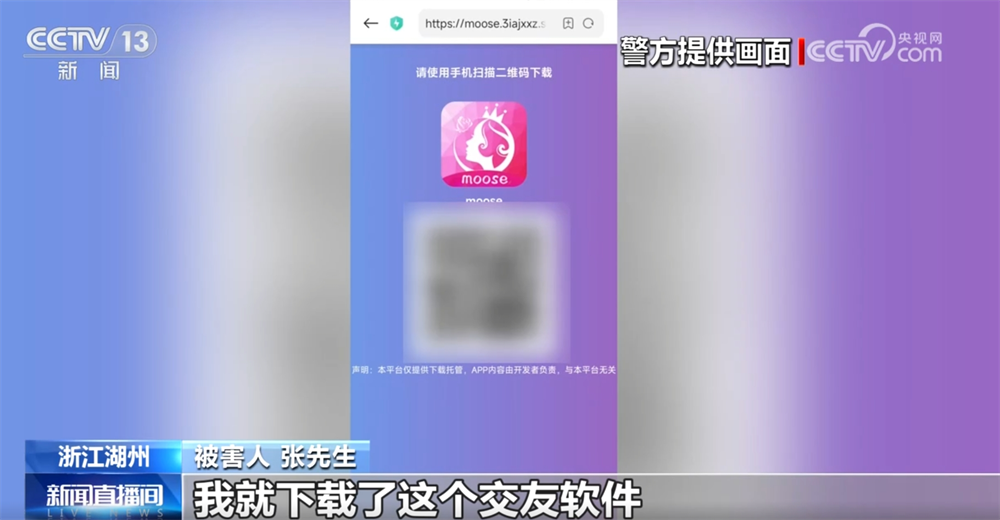
Core Viewpoint - The article highlights a case of online fraud involving a victim who lost over 260,000 yuan through a deceptive investment scheme disguised as a social networking and money-making app [1][8]. Group 1: Fraud Mechanism - The victim, Mr. Zhang, was lured into downloading a social app that promised earnings through tasks, leading him to invest progressively larger amounts of money [3][5]. - The scheme involved a series of tasks with increasing returns, which initially seemed legitimate, but ultimately required the victim to deposit more money to withdraw supposed earnings [3][7]. - The fraud utilized a new method of money laundering through "password red envelopes," which allowed the perpetrators to evade law enforcement scrutiny [8][15]. Group 2: Money Laundering Process - The majority of the victim's funds were transferred via password red envelopes, a method that bypasses traditional banking systems and complicates recovery efforts [8][15]. - The laundering process involved multiple layers, including "red envelope hands" who collected the funds and transferred them to regional leaders, who then converted the money into virtual currencies for offshore transfer [15][20]. - The operation was structured with clear roles among the criminals, making it difficult for authorities to trace the funds back to the original fraud [16][20]. Group 3: Law Enforcement Response - Authorities have identified a significant network involved in this type of fraud, with over 9,000 accounts linked to the laundering scheme and more than 6,200 suspects arrested nationwide [20][22]. - The police have initiated a nationwide crackdown on such fraudulent activities, emphasizing the need for public awareness regarding online scams and the risks associated with engaging in tasks that promise financial returns [22].