保健品诈骗

Search documents
【防骗】识破电信骗术 筑牢您的防骗墙
中国建设银行· 2026-03-12 06:37
Group 1 - The article discusses various types of scams, including online shopping rebates and health product frauds, highlighting the deceptive tactics used by scammers to lure victims [7][13]. - It emphasizes the importance of recognizing that all "刷单" (order brushing) and similar rebate tasks are scams, often starting with a seemingly legitimate offer but leading to financial loss [8]. - The article provides tips for preventing fraud, such as verifying the legitimacy of offers and being cautious of unsolicited communications [18][20]. Group 2 - Specific case studies are presented, such as Mr. Xu's experience with a rebate scam where he lost tens of thousands after being manipulated into making multiple payments [7]. - Another case involves an elderly man, Mr. Li, who invested in a fraudulent health product after being misled by fake endorsements and certificates, resulting in significant financial loss [13]. - The article stresses the need for individuals to seek medical advice from legitimate healthcare providers and to verify the credentials of any medical products or services [16].


齐鲁银行济南金牛支行成功堵截一起“保健品”诈骗案
Qi Lu Wan Bao· 2025-08-12 09:19
Core Insights - A customer at Qilu Bank was nearly scammed while attempting to transfer funds for a dubious health product called "Life Essence," prompting bank staff to intervene and prevent potential financial loss [1][2] Group 1: Incident Overview - The customer, Mr. Xu, was approached by bank staff during a cash deposit transaction, who inquired about the purpose of his transfer due to his age and the nature of the transaction [1] - Upon reviewing Mr. Xu's chat records, bank staff identified signs of a health product scam, leading to immediate action to protect the customer's funds [1] - Local police were contacted, confirming the fraudulent nature of the group Mr. Xu was involved with, ultimately leading him to realize he was being scammed [1] Group 2: Response and Outcome - Mr. Xu expressed gratitude to the bank staff for their prompt and professional response, which helped him avoid losing 6,000 yuan [2] - Local police praised the bank's quick identification of risk and effective collaboration, emphasizing the importance of ongoing cooperation between banks and law enforcement [2] Group 3: Preventive Measures - Qilu Bank issued warnings about the dangers of "miracle drugs" and advised customers to be cautious of health products claiming miraculous benefits [3] - Customers are encouraged to avoid transferring large sums to unknown accounts and to consult with family or authorities before making significant financial decisions [3] - The bank highlighted the importance of protecting personal information and being cautious about joining unknown online groups [3] - Customers are advised to cooperate with bank staff during transactions and report any suspicious activities immediately [4]
免费鸡蛋变天价骗局!“保健品”收割老年人
Zhong Guo Xin Wen Wang· 2025-05-27 01:47
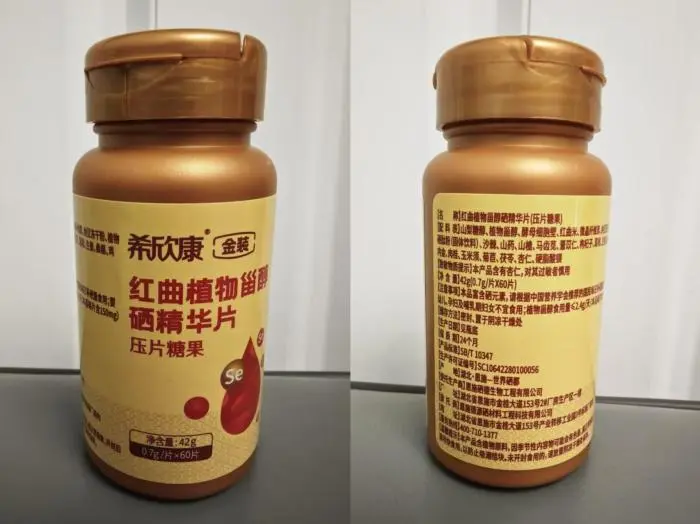
Core Viewpoint - The article highlights the deceptive practices of certain stores selling overpriced health products to elderly consumers, leading to significant financial losses for victims [1][10][12]. Group 1: Deceptive Practices - Many stores disguise themselves as sellers of basic food products while secretly marketing high-priced health products to seniors [1][10]. - Elderly consumers have reported spending substantial amounts, with one individual estimating over 500,000 yuan on various health products over four years [1][10]. - Sales representatives often make misleading claims about the health benefits of these products, suggesting they can alleviate serious medical conditions [1][2][9]. Group 2: Product Misrepresentation - An example product, "希欣康红曲植物甾醇硒精华片," was marketed as a health supplement but lacked proper health product labeling, instead being labeled as "压片糖果" (compressed candy) [2][5]. - The production company’s website claims the product is for heart and brain health, but its registered trademark covers ordinary food items, not health supplements [5][9]. Group 3: Pricing and Sales Tactics - Some products, even those with health product labels, are sold at inflated prices; for instance, a product priced at 450-700 yuan online was sold to seniors for 2000 yuan [10][11]. - Sales tactics include offering free items like eggs and rice to attract elderly customers, who are then subjected to high-pressure sales tactics during "training sessions" [13][15]. Group 4: Consumer Vulnerability - Elderly consumers are often targeted due to their isolation and vulnerability, making them more susceptible to believing in the efficacy of these products [12][20]. - The sales process involves creating a sense of community and emotional support, which further entraps elderly individuals into purchasing expensive products [20][24]. Group 5: Regulatory Challenges - The article discusses the difficulties faced by regulatory bodies in taking action against these deceptive practices, as the products themselves are not classified as defective [18][21]. - Effective enforcement requires evidence of false advertising, which can be challenging to obtain due to the nature of the sales tactics employed [21][24].