
电信诈骗

Search documents
【防骗】识破电信骗术 筑牢您的防骗墙
中国建设银行· 2026-03-12 06:37
Group 1 - The article discusses various types of scams, including online shopping rebates and health product frauds, highlighting the deceptive tactics used by scammers to lure victims [7][13]. - It emphasizes the importance of recognizing that all "刷单" (order brushing) and similar rebate tasks are scams, often starting with a seemingly legitimate offer but leading to financial loss [8]. - The article provides tips for preventing fraud, such as verifying the legitimacy of offers and being cautious of unsolicited communications [18][20]. Group 2 - Specific case studies are presented, such as Mr. Xu's experience with a rebate scam where he lost tens of thousands after being manipulated into making multiple payments [7]. - Another case involves an elderly man, Mr. Li, who invested in a fraudulent health product after being misled by fake endorsements and certificates, resulting in significant financial loss [13]. - The article stresses the need for individuals to seek medical advice from legitimate healthcare providers and to verify the credentials of any medical products or services [16].


上海阿婆出手阔绰!豪掷50万元买黄金!警方紧急出动……
Huan Qiu Wang· 2026-02-27 05:37
Core Viewpoint - A 70-year-old woman attempted to purchase 400 grams of gold worth over 500,000 yuan, raising suspicions of potential telecom fraud due to her vague explanations regarding the purchase [2][12]. Group 1: Incident Details - The woman, referred to as Grandma Zhu, was approached by police after a tip-off about a potential fraud victim buying gold [2][12]. - Upon questioning, she provided inconsistent reasons for the purchase, initially stating it was for her grandchildren and later mentioning keeping it at home [5][20]. - The police discovered suspicious apps on her phone disguised as chat and investment software, indicating she might be a victim of fraud [7][22]. Group 2: Fraud Mechanism - The fraud involved a scheme where the scammers claimed Grandma Zhu had "won a new stock" and instructed her to make a cash or gold payment to bypass regulatory scrutiny [12][27]. - The scammers promised investment returns that would appear in a fake app once the gold was delivered [12][27]. - After two hours of persuasion from the police, Grandma Zhu realized she was on the verge of losing her life savings [10][25]. Group 3: Warnings and Advice - Authorities emphasize the need for elderly individuals to be cautious of high-return investment schemes and to avoid cash transactions for gold purchases, as these are often fraudulent [13][28]. - Family members are encouraged to monitor their elderly relatives' investment activities and report any suspicious situations to the police [13][28].

每年万亿财富蒸发,掏空中国经济根基的四类“蛀虫”,该清算了
Sou Hu Cai Jing· 2026-02-25 21:41
Core Viewpoint - A significant amount of wealth, estimated to be in the trillions annually, is being siphoned off from the Chinese economy by various corrupt entities, impacting ordinary citizens and the overall economic health [1][12]. Financial Sector - The financial sector has seen major scandals, such as the Evergrande crisis, where the founder cashed out over 50 billion, leaving countless homebuyers and suppliers in financial ruin [3]. - In 2023, the Zhongzhi Group faced a massive financial collapse involving trillions, affecting thousands of investors who lost their savings overnight [3]. - The rural credit cooperative system has also experienced widespread corruption, with leaders misusing funds and leaving taxpayers to cover the losses [3]. Healthcare Sector - A nationwide anti-corruption campaign in healthcare has led to over 230 hospital leaders being investigated, revealing that inflated medical costs are often due to corruption [5]. - Some medications have seen price increases of ten to dozens of times from factory to patient, with the excess profits going to kickbacks and commissions rather than improving healthcare [5]. Infrastructure Sector - Infrastructure projects in China are plagued by excessive costs and poor quality due to layers of subcontracting, where each level takes a significant cut of the profits [7]. - A specific case in Guizhou shows a county with a fiscal income of less than 1 billion accumulating over 40 billion in debt, raising questions about project approvals and corruption [8]. Cybercrime - In 2025, the amount involved in reported cyber fraud cases exceeded 100 billion, with many victims remaining silent due to shame, indicating the actual figures could be much higher [10]. - The sophistication of cyber fraud has increased, with advanced techniques like AI deepfakes being used to deceive individuals, leading to significant financial losses [10]. Government Response - The government is intensifying efforts to combat corruption across various sectors, with record numbers of investigations and a focus on systemic reforms [13]. - Measures include comprehensive data monitoring in finance, full coverage in healthcare anti-corruption, and lifetime accountability in infrastructure projects [13][14]. Conclusion - The ongoing efforts to root out corruption are crucial for the stability of the economy, as internal corruption poses a significant threat to national integrity and public trust [15][16].

美国官员终于意识到这件事有多严重了,但似乎有“难言之隐”
Xin Lang Cai Jing· 2026-02-24 16:13
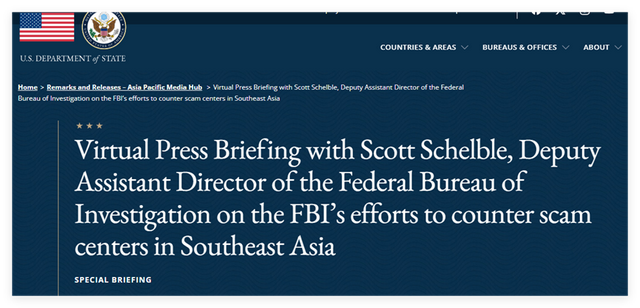
Core Viewpoint - The FBI has expressed concern over the scale of telecom fraud operations in Southeast Asia, highlighting the organized and resourceful nature of these criminal groups, which have increasingly targeted American citizens [1][3]. Group 1: Telecom Fraud in Southeast Asia - The FBI official Scott Sherburne noted that the telecom fraud issue in Southeast Asia is not limited to individual criminals but involves well-organized crime syndicates [1]. - Sherburne described the scale of these operations as astonishing, with entire facilities dedicated to committing fraud, indicating a shift in understanding the threat posed by these groups [1]. - The U.S. plans to collaborate with Southeast Asian countries for coordinated law enforcement against these fraud rings [3]. Group 2: China’s Role and Cooperation - China has been actively combating telecom fraud in Southeast Asia through multinational law enforcement cooperation, achieving significant results, including the dismantling of major fraud families in northern Myanmar [3]. - Despite China's experience and willingness to collaborate, the U.S. did not address questions regarding potential cooperation with China during the press conference, reflecting a narrow geopolitical perspective [4][5]. - Scholars suggest that the U.S. should recognize the benefits of cooperating with China in combating telecom fraud, as it could protect more citizens globally and strengthen U.S.-China relations [5].
利用虚拟货币为电诈团伙“洗钱”,抓!
Xin Lang Cai Jing· 2026-02-24 16:13
Group 1 - The rise of virtual currencies has led to an increase in scams, with criminal groups using these currencies to launder illicit funds [1] - A recent case in Hefei involved a victim who was scammed out of 260,000 yuan after being lured into a fraudulent scheme through a dating app [1] - Police discovered a money laundering operation linked to the scam, involving a virtual currency "exchange dealer" who facilitated the laundering of the stolen funds [1] Group 2 - The suspect, Liu, was found to have sold virtual currency on an illegal trading platform, with part of the funds traced back to the victim's losses [2] - Liu's actions included quickly withdrawing the illicit funds to his personal WeChat account, indicating an awareness of the funds' suspicious origins [2] - Since 2020, Liu had been actively involved in virtual currency trading, attempting to profit quickly while evading regulatory scrutiny [2]
新春走基层丨预警拦截、紧急止付 这个春节他们与时间赛跑
Xin Lang Cai Jing· 2026-02-21 08:01
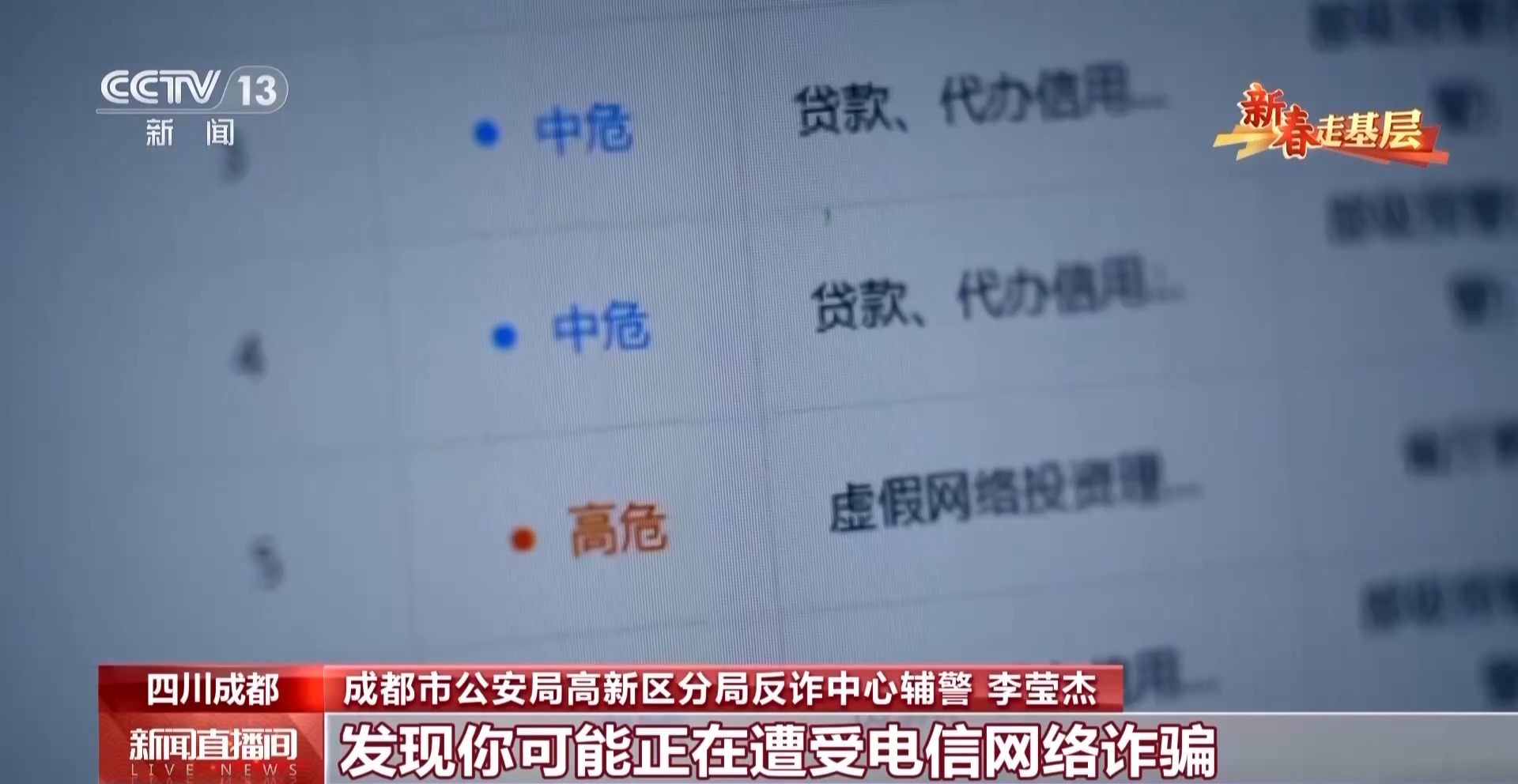
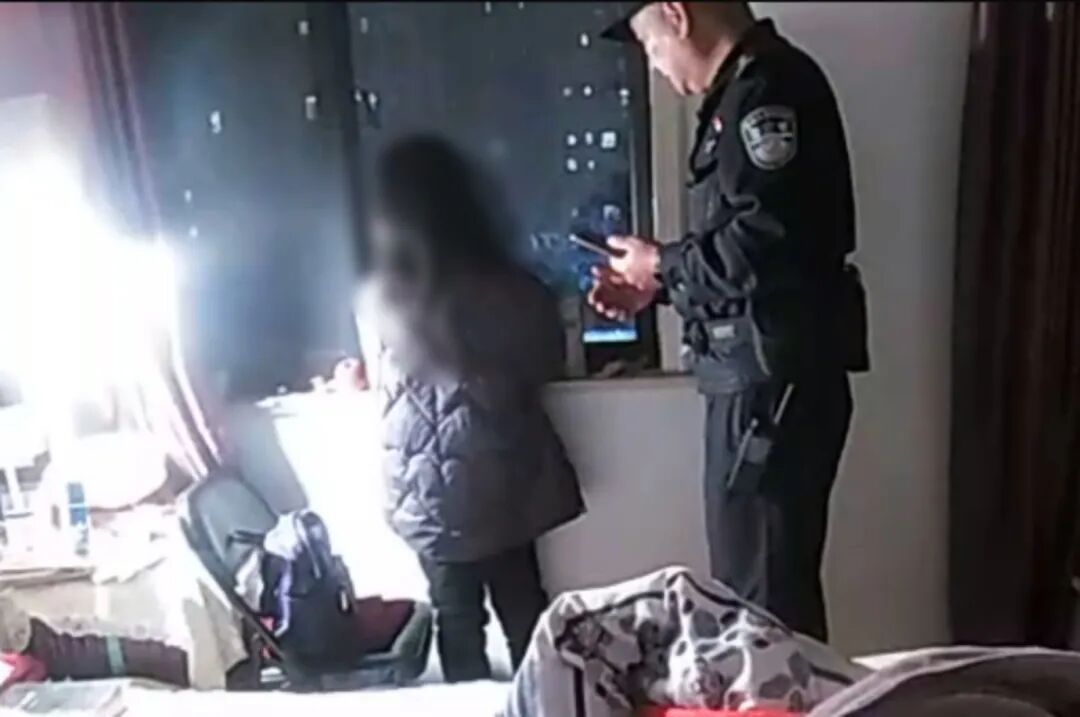
Core Viewpoint - The article highlights the efforts of the Chengdu High-tech Police Anti-Fraud Center during the Spring Festival, showcasing their success in preventing fraud and protecting citizens' financial security through timely interventions and advanced warning systems [1][30]. Group 1: Anti-Fraud Operations - The Anti-Fraud Center's team of 15 officers maintained a constant presence during the Spring Festival, issuing over 40,000 precise warnings, resulting in a zero fraud rate post-warning and recovering 23.77 million yuan for the public [1][30]. - The center employs a "smart brain" system that alerts officers to potential fraud cases, allowing them to act quickly to prevent financial losses [1][21]. Group 2: Case Management - Officer Li Yingjie, with 7 years of anti-fraud experience, attempted to persuade a woman in her 60s to delete a high-risk app linked to potential fraud, but faced challenges in communication [3][9]. - The center's protocol includes immediate follow-up actions, such as contacting family members of potential victims to reinforce warnings and prevent fraud [9][13]. Group 3: Response Time and Effectiveness - The Anti-Fraud Center can submit a stop-payment request to banks within five minutes of receiving a report, emphasizing the urgency of their operations to prevent fund transfers by fraudsters [21][19]. - The center's proactive measures have significantly reduced the number of victims, contributing to a safer community and enhancing public trust [28][30]. Group 4: Community Impact - The center has received numerous accolades and gratitude from the community, reflecting the positive impact of their work on families and overall public safety [26][30]. - Officers express a strong commitment to their mission, aiming to ensure the happiness and safety of the public, which serves as their primary motivation [30].
宁波一初中生寒假加入“查作业”群,遭遇电诈偷偷转账 “消事”,拿了母亲的手机分20次扫码转出9万余元
Xin Lang Cai Jing· 2026-02-21 06:57
Core Viewpoint - The article highlights the increasing risk of online fraud targeting children during the Spring Festival holiday, emphasizing the need for enhanced anti-fraud education for minors [1][6]. Group 1: Incident Reports - An 11-year-old girl received a call from someone impersonating a police officer, who claimed she was involved in fraud and demanded her parents' payment password. The girl, recalling anti-fraud lessons, hung up and reported the incident, preventing any financial loss [3][4]. - In contrast, another child fell victim to a similar scam, losing over 90,000 yuan after being coerced into transferring money through a series of QR code scans, demonstrating the varying levels of awareness among children [4][6]. Group 2: Types of Scams - The article outlines several prevalent scams during the holiday season, including: 1. Child-targeted scams, such as impersonating law enforcement and game transaction frauds, which exploit children's increased screen time and parents' busyness [6]. 2. Flight ticket refund and change scams, which arise as people rush to return home, often leading to mistakes [6]. 3. Fake shopping service scams, particularly during the holiday shopping season, where enticing offers may hide traps [6]. 4. Impersonation of customer service scams, which often involve fraudulent refund or compensation schemes [6].
日本2025年电诈损失创纪录
Xin Lang Cai Jing· 2026-02-12 14:22
Core Insights - In 2025, Japan experienced a record loss of approximately 324.1 billion yen (about 2.12 billion USD) due to telecom fraud, marking a year-on-year increase of 62.8% [1] Group 1: Telecom Fraud Statistics - The losses from fraud conducted primarily via telephone amounted to around 141.4 billion yen, nearly doubling from the previous year [1] - Approximately 70% of these telephone scams involved impersonating police, where criminals falsely claimed that victims' bank accounts were implicated in crimes, coercing them to transfer funds under the guise of "cooperating with investigations" [1] - Investment and romance scams conducted through social media platforms also surged, resulting in losses of about 182.7 billion yen [1] Group 2: Broader Crime Trends - In 2025, the total number of criminal cases in Japan exceeded 770,000, marking an increase for the fourth consecutive year [1] - The victim demographic for these fraud cases has become increasingly diverse, affecting multiple age groups [1]
日本2025年电诈损失创历史纪录
Xin Hua She· 2026-02-12 13:40
Group 1 - The core point of the article highlights that Japan experienced a record loss of approximately 324.1 billion yen due to telecom fraud in 2025, marking a year-on-year increase of 62.8% [1] - The losses from phone-based scams amounted to about 141.4 billion yen, nearly doubling from the previous year, with around 70% of these scams involving impersonation of police [1] - Social media scams, including investment and romance fraud, also surged, resulting in losses of approximately 182.7 billion yen [1] Group 2 - The report indicates that the victims of these scams span multiple age groups, showing a trend of increasing diversity among the affected population [1] - In total, Japan recorded over 770,000 criminal cases in 2025, marking the fourth consecutive year of increase in criminal activities [1]
邻居拽走遇诈老太挽回10万老太遭遇电诈邻居截胡骗局挽回10万
Xin Lang Cai Jing· 2026-02-09 05:12
Group 1 - The article highlights a case of a senior citizen, Liu, who was targeted by a phone scam claiming her identity was used for a loan of 2.88 million yuan, leading her to transfer 100,000 yuan to a "special account" [1] - Liu's neighbor, Wang, noticed her distress and intervened, taking her to the police station where the scam was confirmed, allowing the recovery of the transferred funds [1] - The police emphasized that law enforcement does not conduct remote investigations and urged the public to educate the elderly about fraud prevention, especially as year-end approaches [1]