功率电子产业升级

Search documents
宽禁带半导体:功率电子产业升级的核心引擎与破局之道
半导体行业观察· 2026-02-15 01:37
Core Viewpoint - The article emphasizes the transformative role of wide bandgap semiconductors (SiC/GaN) in the power electronics industry, driven by the global energy transition and the dual carbon goals, highlighting the upcoming PCIM Asia Shenzhen exhibition as a pivotal event for this technological revolution [1][2]. Industry Landscape - The application of power electronics is expanding from traditional industrial control to high-end fields such as electric vehicles, energy storage systems, high-voltage fast charging, and AI data centers, necessitating extreme requirements for device characteristics [2]. - Traditional silicon-based semiconductors are unable to meet the demands of the new generation of applications, while wide bandgap semiconductors achieve significant performance improvements, including over 80% reduction in switching losses and over 50% size reduction [2][3]. Market Forecast - According to Yole Intelligence, the global wide bandgap semiconductor market is expected to exceed $15 billion by 2026 and reach $40 billion by 2030, with a compound annual growth rate of over 30% [3]. - Key demand drivers include electric vehicles, energy storage inverters, and industrial power supplies, which together account for over 70% of the market [3]. Core Challenges - The article identifies three core challenges in the wide bandgap semiconductor industry: technical bottlenecks, supply chain resilience, and application landing [5]. - Technical challenges include the transition from laboratory breakthroughs to stable mass production, with specific issues in material preparation, device design, and packaging testing [5]. - Supply chain challenges involve balancing local collaboration with global adaptation, as the industry is characterized by high technology and capital intensity [5]. - Application challenges focus on the precise matching of emerging scenarios with technology, addressing issues such as demand fragmentation and adaptation difficulties [5]. Forum Insights - The upcoming forum will feature discussions on the practical experiences of international leaders in technology mass production and application deepening, showcasing advancements from companies like Infineon and ROHM [7]. - Domestic leaders will present their breakthroughs in localization and technology innovation, highlighting the capabilities of companies like BYD and CRRC Times Semiconductor [8]. - The forum aims to build a collaborative ecosystem by discussing industry standards and resource integration, addressing the need for unified reliability testing standards and process interfaces [9]. Future Trends - The future development of wide bandgap semiconductors will focus on larger sizes, lower defects, and higher performance, with 8-inch SiC substrates becoming mainstream by 2030 [9]. - The penetration rate of wide bandgap semiconductors in electric vehicles is expected to exceed 40% by 2030, with significant growth in electrified transportation and long-duration energy storage [9]. - The competitive focus will shift from technological breakthroughs to customized solutions, with a trend towards integrated models combining devices, solutions, and services [10].


PCIM Asia 深圳 2026 解锁宽禁带半导体产业增长新机遇
半导体行业观察· 2026-01-18 03:32
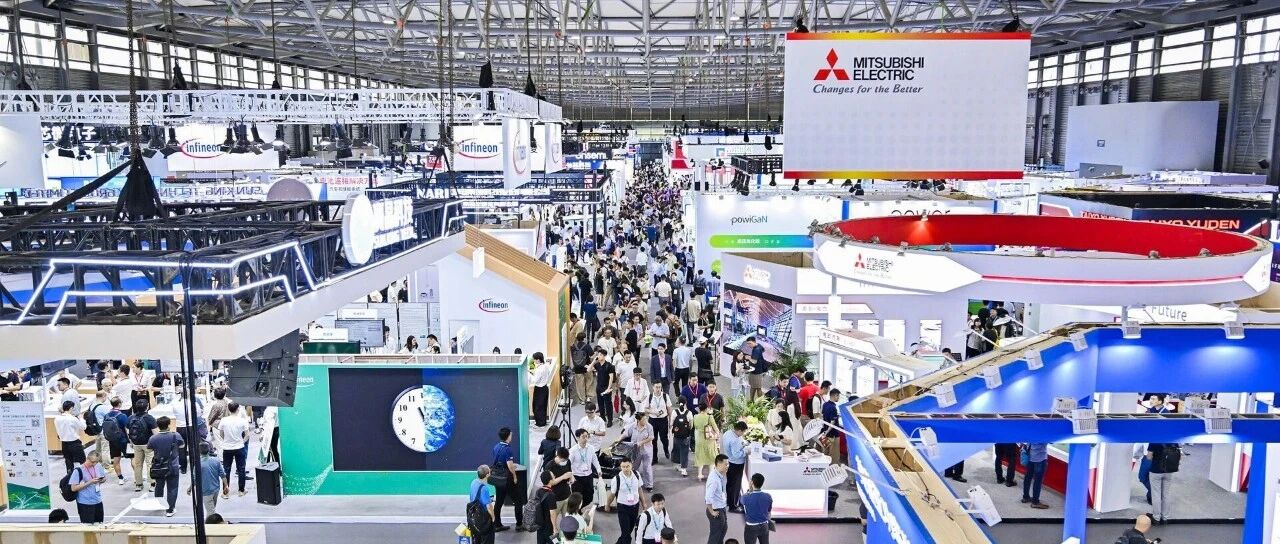
Core Viewpoint - The PCIM Asia exhibition in Shenzhen, set to commence on August 26, 2026, is positioned as a pivotal platform for the power electronics industry, focusing on cutting-edge technology and industry trends, particularly in wide bandgap semiconductors [1][2]. Group 1: Forum Highlights - The forum titled "Breaking the Deadlock and Coexistence - Wide Bandgap Semiconductors Leading Power Electronics Industry Upgrade and Intelligent Application Innovation" will address three core pain points: technical bottlenecks in material preparation, device design, and packaging testing; collaborative barriers in local supply chain construction; and challenges in applying emerging scenarios like AI and high-voltage platforms [2][3]. - The forum aims to provide four core values: deep technical insights, industry collaboration, forward-looking trends, and precise matching of technology and demand [2][3]. Group 2: Key Participants - The event will feature a prestigious lineup of global semiconductor leaders such as Infineon, Rohm, STMicroelectronics, and ON Semiconductor, alongside key figures from Tesla, Volkswagen, Google Cloud, and Amazon Web Services, as well as experts from top research institutions like Georgia Tech and Tokyo Institute of Technology [7]. - Domestic industry leaders including CRRC Times Semiconductor, Sanan Optoelectronics, BYD, CATL, Huawei Digital Energy, and Alibaba Cloud will also participate, showcasing advancements in domestic technology and industry ambitions [7]. Group 3: Technical Focus Areas - The forum will cover critical technical topics such as defect control in SiC substrates, reliability enhancement of GaN devices, and breakthroughs in domestic yield [8]. - It will also delve into the integration technology of power modules under 800V high-voltage platforms and share practices in adapting electric drive systems for new energy vehicles [8]. - Discussions will include the domestic replacement of key materials, collaborative innovation in advanced packaging technologies, and the balance between supply chain stability and cost control [8]. Group 4: Agenda Overview - The agenda includes five major presentations followed by a roundtable discussion focused on "Breaking the Deadlock in the Industry Chain" to explore high-quality development paths for power semiconductors [6][9]. - Key topics will include advancements in wide bandgap semiconductor materials, power semiconductor module integration, and innovative power solutions for data centers driven by AI [9]. Group 5: Target Audience - The forum is specifically targeting decision-makers from the power semiconductor industry chain, core technical leaders from sectors such as new energy vehicles, energy storage, industrial control, and data centers, as well as academic leaders and experts from industry associations [12].