
加密货币投资诈骗

Search documents
百亿美元比特币巨鳄落网,起底柬埔寨赌诈“教父”陈志
Nan Fang Du Shi Bao· 2026-01-08 13:03
Group 1 - The founder and chairman of Taizi Group, Chen Zhi, has been extradited to China for investigation regarding his involvement in a major cross-border gambling and fraud crime syndicate [1][2] - Chen Zhi's criminal organization is accused of multiple offenses including operating illegal casinos, fraud, and money laundering, with ongoing investigations [1][2] - The Taizi Group, established by Chen in 2015, has expanded its business into various sectors including real estate, finance, and telecommunications, while simultaneously operating as a transnational fraud group [2][3] Group 2 - Chen Zhi has been under investigation by Chinese authorities since at least 2019, with various law enforcement collaborations between China and Cambodia aimed at combating online fraud [3][4] - The group has been implicated in forced labor scams, where workers were coerced into participating in large-scale cryptocurrency investment frauds [2][3] - Prior to his extradition, Chen Zhi was involved in a significant cryptocurrency scam that led to the seizure of approximately 127,271 bitcoins by U.S. authorities, valued at around $15 billion [6][7] Group 3 - Chen Zhi's connections with Cambodian officials have raised questions about potential corruption, as he held advisory positions within the Cambodian government [4] - The recent extradition of Chen Zhi coincided with geopolitical developments, including a ceasefire agreement between Thailand and Cambodia, suggesting a complex interplay of international relations [4] - Following U.S. indictments, various jurisdictions including Singapore and the UK have frozen Chen Zhi's assets, indicating a coordinated international effort to address his alleged criminal activities [7]
吴说每日精选加密新闻 - CryptoRank:Solana 以 13 亿美元领跑 2025 年公链收入,Ethereum 跌至第四
Xin Lang Cai Jing· 2025-12-27 14:32
Group 1: Blockchain Revenue Insights - Solana leads the public chain revenue in 2025 with $1.3 billion, being the only chain to exceed $1 billion [1] - Hyperliquid follows with $816 million, while Tron generates $608 million, and Ethereum drops to fourth place with $524 million [1] - BNB Chain and edgeX report revenues of $257 million and $169 million respectively [1] Group 2: Security and Legal Issues - A former traffic police officer in Russia was sentenced to 7 years for stealing approximately 20 million rubles (around tens of thousands of dollars) in Bitcoin [2] - The officer illegally accessed the mobile phones of detained individuals to transfer BTC, accompanied by violent evidence collection [2] - Coinbase's former customer service contractor was arrested in India for involvement in a hacking incident that compromised customer data, with a ransom demand of $20 million [3] - The incident is considered one of the more serious security breaches in the crypto trading platform sector, with potential remediation costs estimated at up to $400 million [3] Group 3: Fraud and Scams - Pakistani authorities dismantled a multinational fraudulent cryptocurrency investment network involved in scams totaling approximately $60 million [4] - The scam operated through social media and instant messaging, luring victims with promises of high returns on fake cryptocurrency and forex trading platforms [4] - Victims were coerced into paying additional fees after investing nearly $5,000, leading to account freezes and loss of contact [4]
巴基斯坦当局捣毁涉 6,000 万美元的跨国虚假加密投资诈骗网络
Xin Lang Cai Jing· 2025-12-26 19:59
Core Insights - Pakistani authorities conducted a joint raid in Karachi, dismantling a multinational fraudulent cryptocurrency investment scam network involving approximately $60 million [1] Group 1: Scam Operations - The scam network utilized social media and instant messaging tools to execute long-term social engineering tactics [1] - Perpetrators posed as transaction agents or "insiders" to lure victims into fake cryptocurrency and forex trading platforms, promising high returns as bait [1] Group 2: Victim Exploitation - Victims were gradually defrauded of funds, with investments nearing $5,000 before the scammers requested additional payments under various pretexts such as taxes, withdrawal fees, or account verification fees [1] - After extracting additional funds, the scammers would freeze the victims' accounts and sever all communication [1]
遭美国没收150亿美元比特币后 柬埔寨“太子集团”在韩银行超910亿韩元资产被冻结
Mei Ri Jing Ji Xin Wen· 2025-10-22 09:07
Core Viewpoint - The recent sanctions imposed by the UK and the US on Cambodia's Prince Holding Group and its founder Chen Zhi have led to a liquidity crisis at Prince Bank, prompting customers to withdraw cash en masse, resulting in temporary service disruptions [1][2]. Group 1: Sanctions and Financial Impact - Following the sanctions from the UK and the US, the South Korean government is also considering financial sanctions against the Prince Group, with plans to implement them within the month [1]. - Prince Bank, one of Cambodia's largest commercial banks, is experiencing a surge in withdrawal requests, leading to a liquidity crisis and the temporary suspension of transactions at several branches [2]. - The South Korean opposition party has reported that the Prince Group has conducted 52 transactions involving over 197 billion KRW (approximately 150 million USD) across five South Korean banks [4]. Group 2: Criminal Activities and Money Laundering - Chen Zhi, the founder of Prince Group, has been linked to a complex money laundering operation involving forced labor and cryptocurrency scams, with victims being lured into fraudulent activities [6][7]. - The group has established a sophisticated money laundering system, utilizing "money laundering houses" to process illicit funds through techniques like "spraying" and "funneling" to obscure the money's origins [7][8]. - The FBI has indicated that funds from Bitcoin mining operations are being funneled through various addresses to disguise their source, with an estimated 4 billion USD in illicit funds being laundered through the group's operations from 2021 to 2025 [11][12].

“太子集团”在韩银行超910亿韩元资产被冻结,旗下银行大批人排队取钱
Mei Ri Jing Ji Xin Wen· 2025-10-22 08:44
Core Viewpoint - The recent sanctions imposed by the UK and the US on Cambodia's Prince Holding Group and its founder Chen Zhi have triggered a liquidity crisis at Prince Bank, leading to mass withdrawals by customers and operational disruptions at several branches [1][3][6]. Group 1: Sanctions and Immediate Impact - Following the sanctions from the UK and US, the South Korean government is also considering financial sanctions against the Prince Group, with plans to implement them within the month [3][7]. - Prince Bank, one of Cambodia's largest commercial banks, experienced a surge in withdrawal requests, resulting in some branches halting transactions due to liquidity issues [6][7]. - The US Department of Justice has seized nearly 130,000 bitcoins linked to the Prince Group, valued at approximately $15 billion, while Chen Zhi remains at large [3][6]. Group 2: Financial Details and Asset Freezing - Reports indicate that the Prince Group has conducted 52 transactions involving over 197 billion Korean won (approximately $150 million) across five South Korean banks [7]. - Currently, over 91 billion Korean won (approximately $68 million) of the Prince Group's assets are frozen in various South Korean banks, including significant amounts in Kookmin Bank and Jeonbuk Bank [7][8]. Group 3: Criminal Activities and Money Laundering - Chen Zhi has been linked to a complex money laundering operation involving forced labor and cryptocurrency scams, with the group reportedly operating at least ten fraudulent labor camps in Cambodia [9][11]. - The Prince Group employs sophisticated techniques for laundering illicit funds, including the use of "money houses" and cryptocurrency mining operations to disguise the origins of their income [11][15]. - The group has been involved in online gambling operations, continuing to function despite a ban in Cambodia, utilizing mirror sites to launder funds from scams [16].
遭美国没收150亿美元比特币后,柬埔寨“太子集团”在韩银行超910亿韩元资产被冻结,旗下银行大批人排队取钱,夜店也已关门
Mei Ri Jing Ji Xin Wen· 2025-10-22 07:55
Group 1 - The core issue revolves around the panic among Cambodian customers of Prince Bank, leading to a bank run after sanctions were imposed by the UK and US on the Prince Holding Group and its founder Chen Zhi [1][3] - Prince Bank, one of Cambodia's largest commercial banks, faced a liquidity crisis, with multiple branches halting transactions due to a surge in withdrawal requests [6] - The South Korean government is considering financial sanctions against the Prince Group, with reports indicating that over 910 billion KRW (approximately 685 million CNY) of the group's assets have been frozen in South Korean banks [8][9] Group 2 - Chen Zhi, the founder of Prince Group, has been implicated in a complex money laundering scheme involving forced labor and cryptocurrency scams, with significant illegal profits being funneled through various channels [10][11] - The group has established a sophisticated money laundering system, utilizing techniques such as "spraying" and "funneling" to obscure the origins of illicit funds [11][12] - The US Treasury has disclosed that at least $4 billion in illegal funds were laundered through Huione, a key entity in the Prince Group's operations, highlighting the scale of the group's financial misconduct [16]
太子集团150亿美元比特币被美国查获,是“内鬼泄密”还是“暴力搜索”?
Mei Ri Jing Ji Xin Wen· 2025-10-21 08:21
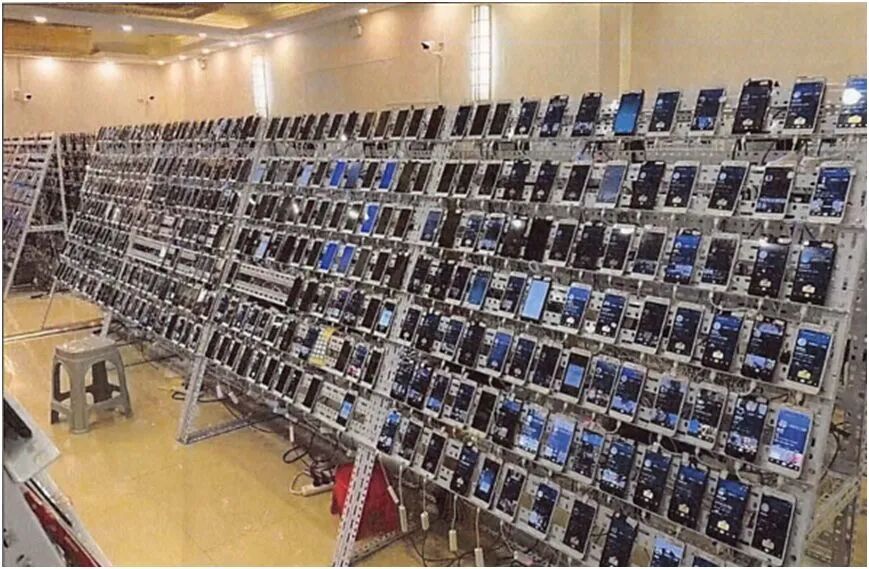
Core Viewpoint - The U.S. Department of Justice has filed criminal charges against Chen Zhi, founder and chairman of Prince Holding Group, and initiated a civil forfeiture lawsuit to seize approximately 127,271 bitcoins valued at up to $15 billion, linked to telecom fraud and money laundering activities [1][4]. Group 1: Legal Actions and Seizures - The case represents the largest financial crackdown in U.S. history and the highest quantity of bitcoins ever seized [5]. - The DOJ has confirmed that the seized bitcoins are derived from illegal activities, specifically telecom fraud and money laundering [4]. - The bitcoins are stored in 25 unhosted wallets controlled by Chen Zhi, which the U.S. government has successfully locked down [1][11]. Group 2: Criminal Activities - Chen Zhi allegedly used a vast business network across over 30 countries to operate forced labor scam farms in Cambodia, where workers were coerced into cryptocurrency investment scams, resulting in losses of billions [5]. - The operation included specialized "phone farms" with thousands of mobile devices managing numerous social media accounts to facilitate scams [5]. Group 3: Money Laundering Techniques - Chen Zhi established a complex money laundering system involving "money houses" that utilized techniques like "spraying" and "funneling" to obscure the flow of illicit funds [6][7]. - The "spraying" technique involves breaking large sums into numerous smaller transactions to confuse tracking efforts, while "funneling" consolidates these dispersed funds back into fewer addresses [7]. Group 4: Technical Analysis and Law Enforcement - The FBI's success in tracing the bitcoins is attributed to advanced blockchain analysis techniques, including the use of graph neural networks to identify unusual transaction patterns [11][14]. - The investigation utilized a combination of blockchain analysis tools, data from dark web communications, and cross-border cooperation to establish a comprehensive evidence chain [14][21]. Group 5: Implications for Cryptocurrency Security - The case challenges the notion that unhosted wallets are immune to government intervention, demonstrating that effective asset recovery is possible through a combination of on-chain tracking and off-chain evidence gathering [20]. - The incident highlights vulnerabilities in wallet security, particularly those using weak random number generators, which can be exploited to recover private keys [17][18]. Group 6: Regulatory Recommendations - Experts suggest a multi-faceted regulatory approach to combat virtual currency money laundering, including legislative updates, technological enhancements, international cooperation, and industry self-regulation [21][22].
