夜店

Search documents
夜店走出黄金时代 ,但晚9朝5的年轻人需要新乐园
3 6 Ke· 2026-02-14 02:16
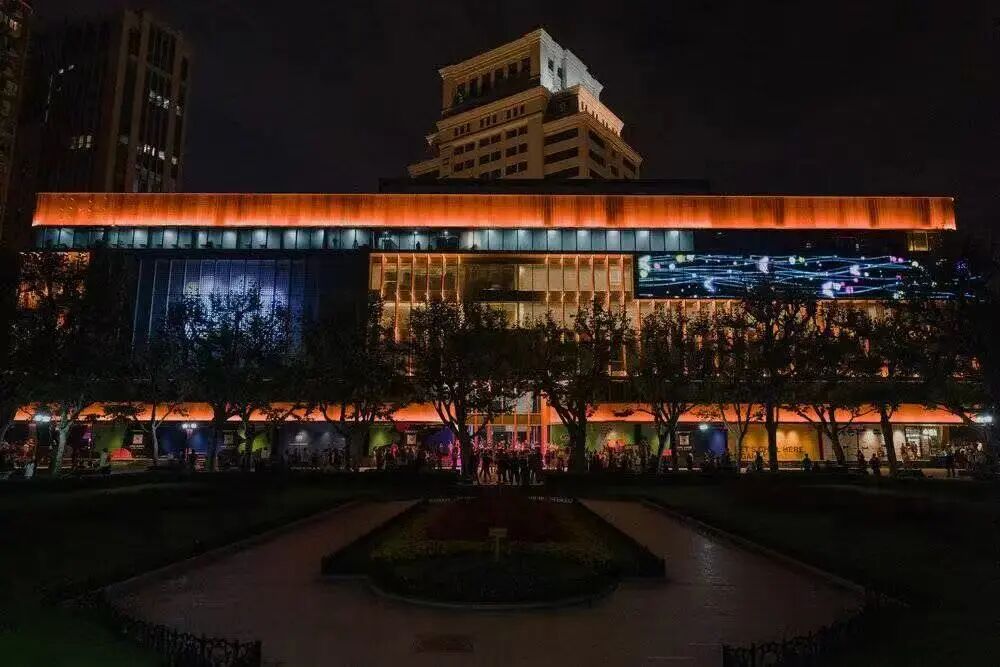
Core Insights - The nightlife industry, particularly nightclubs, is experiencing a decline in popularity among younger generations, with many iconic venues facing closure due to changing consumer preferences and behaviors [1][2][17]. Group 1: Decline of Traditional Nightclubs - Alcohol consumption is decreasing globally, impacting the traditional nightclub model that heavily relies on alcohol sales [2][3]. - In the U.S., the percentage of adults who drink alcohol has dropped to 54%, the lowest since 1990, while similar trends are observed in the UK [2]. - The end of the high-growth era in China has led to a reduction in ostentatious consumption behaviors, further affecting nightclub attendance [2]. Group 2: Evolution of Nightclub Experience - New types of nightclubs, such as INS New Paradise in Shanghai, are emerging, focusing on a diversified product offering that includes music, performances, and interactive experiences rather than solely alcohol [4][5]. - INS New Paradise features a multi-layered structure with nine different venues, allowing for a variety of sensory experiences and activities [5][6]. - The venue aims to create a "paradise" atmosphere, lowering barriers for new visitors through guided tours and themed events [5][6][12]. Group 3: Changing Consumer Demands - Today's nightclubs must cater to more complex emotional and social needs beyond alcohol, focusing on creating engaging environments that provide a sense of community and belonging [3][9]. - The integration of strong visual and auditory stimuli in nightclubs can evoke feelings of pleasure similar to those produced by alcohol, making the experience enjoyable without heavy drinking [8][9]. - INS New Paradise emphasizes social interaction and a sense of equality in the dance floor experience, moving away from traditional VIP seating that often creates exclusivity [12][14]. Group 4: Safety and Inclusivity - INS New Paradise has implemented a robust security team to address safety concerns, particularly for women, and has established rules to promote respect and boundaries among patrons [13][14]. - The venue's design and policies aim to create a more inclusive environment, where the focus is on shared experiences rather than status or wealth [14][16]. Group 5: Nightlife as a Form of Escape - For many young people, nightclubs serve as a space to escape daily pressures and societal expectations, allowing for a temporary release from reality [19][24]. - The nightclub experience is seen as a form of collective enjoyment, where individuals can connect without the constraints of their daytime identities [16][28]. - The unique value of nightclubs lies in their ability to provide solace and joy in a world filled with stress and competition, allowing patrons to enjoy moments of carefree fun [29].

从衡水中学里长出来的夜店博主
36氪· 2025-11-09 13:35
Core Viewpoint - The article presents a narrative of a young individual, Xuan Ang, who transitioned from a high-pressure academic environment to a lifestyle centered around nightlife and social media, ultimately creating a unique niche in the nightlife industry through his online persona and content creation [4][6][7]. Group 1: Background and Personal Journey - Xuan Ang graduated from a rigorous high school known for its intense focus on academic achievement, which he describes as a "high school factory" [17][28]. - After entering university, he experienced a significant shift in lifestyle, moving from a diligent student to a nightlife enthusiast, which he found to be a more liberating and enjoyable experience [5][10]. - His initial struggles in adapting to the nightlife scene led to the development of his online persona, where he began sharing fictional stories about nightlife, resonating with a young audience [5][31]. Group 2: Business Development and Niche Creation - Xuan Ang's online platform, "满分激光枪" (Full Score Laser Gun), evolved into a significant media outlet focused on nightlife, attracting a large following and generating revenue through advertisements and partnerships with nightlife venues [31][45]. - He has expanded his brand by creating a drinking board game called "得吃大逃杀" (Eat Big Escape), aimed at enhancing social interactions among young people [36][40]. - The nightlife industry has seen a shift in dynamics, with social media enabling new forms of engagement and monetization, allowing individuals to profit from organizing social gatherings [42][45]. Group 3: Cultural Commentary and Future Aspirations - The narrative reflects on the broader cultural implications of being a "小镇做题家" (small-town exam-taker), highlighting the pressures and expectations placed on young individuals in competitive educational environments [48][49]. - Xuan Ang aims to further develop his brand into a comprehensive nightlife lifestyle platform, incorporating various aspects of youth culture, including food and fashion, while also exploring AI applications to enhance social experiences [45][48]. - The article concludes with a philosophical perspective on societal judgments regarding career choices, emphasizing the importance of personal happiness and fulfillment over conventional definitions of success [49][50].

遭美国没收150亿美元比特币后 柬埔寨“太子集团”在韩银行超910亿韩元资产被冻结
Mei Ri Jing Ji Xin Wen· 2025-10-22 09:07
Core Viewpoint - The recent sanctions imposed by the UK and the US on Cambodia's Prince Holding Group and its founder Chen Zhi have led to a liquidity crisis at Prince Bank, prompting customers to withdraw cash en masse, resulting in temporary service disruptions [1][2]. Group 1: Sanctions and Financial Impact - Following the sanctions from the UK and the US, the South Korean government is also considering financial sanctions against the Prince Group, with plans to implement them within the month [1]. - Prince Bank, one of Cambodia's largest commercial banks, is experiencing a surge in withdrawal requests, leading to a liquidity crisis and the temporary suspension of transactions at several branches [2]. - The South Korean opposition party has reported that the Prince Group has conducted 52 transactions involving over 197 billion KRW (approximately 150 million USD) across five South Korean banks [4]. Group 2: Criminal Activities and Money Laundering - Chen Zhi, the founder of Prince Group, has been linked to a complex money laundering operation involving forced labor and cryptocurrency scams, with victims being lured into fraudulent activities [6][7]. - The group has established a sophisticated money laundering system, utilizing "money laundering houses" to process illicit funds through techniques like "spraying" and "funneling" to obscure the money's origins [7][8]. - The FBI has indicated that funds from Bitcoin mining operations are being funneled through various addresses to disguise their source, with an estimated 4 billion USD in illicit funds being laundered through the group's operations from 2021 to 2025 [11][12].
访谈三位在夜店年消费过百万的女生
Hu Xiu· 2025-08-07 14:09
Core Insights - The article discusses the changing dynamics of nightlife consumption, particularly focusing on female consumers who are increasingly spending large amounts in nightclubs and bars, often exceeding one million annually [3][10][27] Group 1: Nightclub Consumption Trends - The current trend in nightclubs shows that male customers are less engaged, while female customers, particularly those with high disposable income, are becoming the primary target for sales [3][27] - Female consumers are characterized by their curiosity about nightlife and their willingness to spend, often seeking experiences that allow them to showcase their financial independence [3][10] - The article highlights a shift where women are more likely to pay for their own experiences in nightclubs, contrasting with traditional expectations of male patrons covering costs [3][27] Group 2: Marketing Strategies - Nightclub sales strategies have adapted to focus on attracting female clientele, as they represent a lucrative market with less competition for attention compared to male customers [3][10] - Social media platforms, particularly Xiaohongshu, are utilized by salespeople to connect with potential female customers, indicating a shift in marketing approaches [7][10] - The importance of emotional engagement and personalized service is emphasized, with successful salespeople being those who can provide a nuanced and attentive experience for female patrons [9][10] Group 3: Consumer Profiles - The article presents profiles of female consumers who spend significantly in nightclubs, including a female streamer who views nightlife as a means to cope with emotional stress and a wealthy student who enjoys the social aspect without deep engagement [11][17][24] - Another profile describes a female entrepreneur who uses nightlife for networking and relationship building, showcasing the multifaceted reasons behind female spending in these venues [24][27] - The diversity in motivations among female consumers highlights the potential for targeted marketing strategies that cater to different needs and preferences [24][27]
国内DJ造假的从来不只有肋骨鼻和罩杯
Hu Xiu· 2025-07-09 05:55
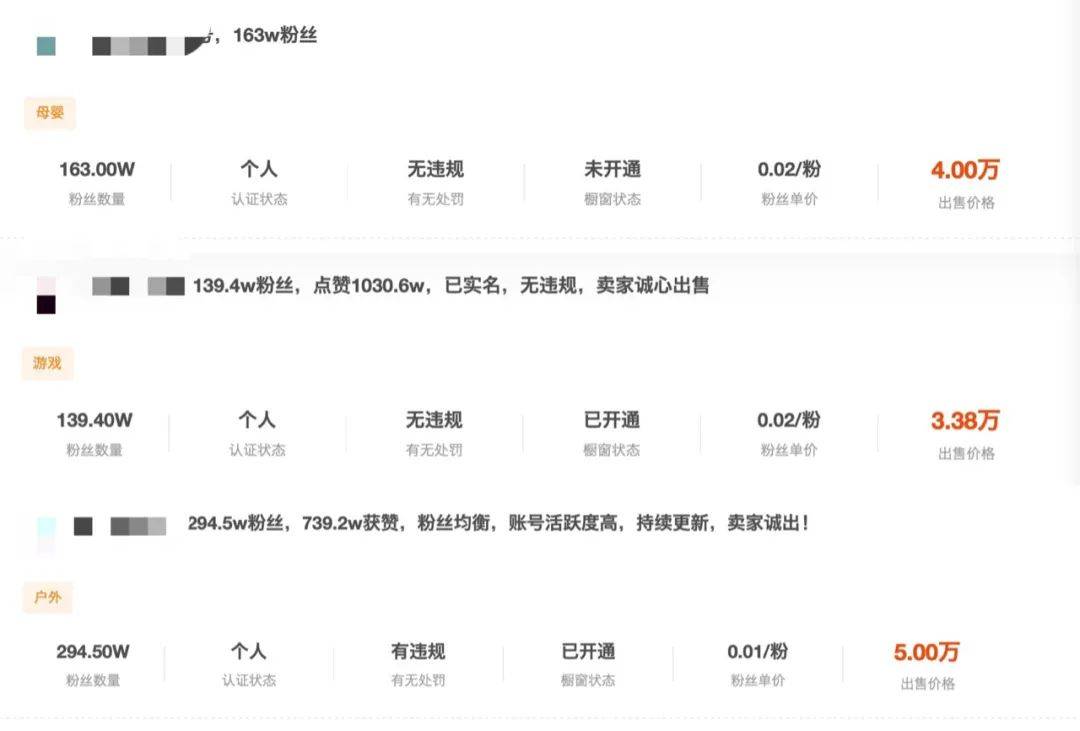
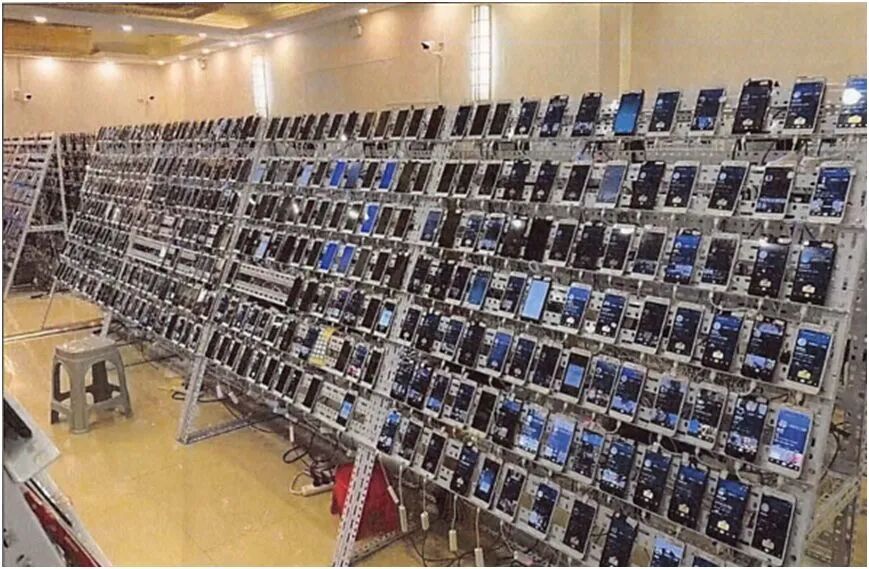
Core Viewpoint - The article discusses the prevalence of fake DJs in the nightlife industry, highlighting how they use deceptive practices to gain popularity and secure performances, ultimately leading to a decline in music quality in nightclubs [2][38]. Group 1: The Rise of Fake DJs - A significant portion of DJs in the industry are not genuine, with many using fake personas, followers, and skills to dominate the market [2][3]. - Fake DJs often purchase fake followers or even entire social media accounts with large followings to create an illusion of popularity [6][7][8]. Group 2: The Process of Becoming a Fake DJ - To gain recognition, fake DJs invest in self-packaging, claiming titles like "million-follower DJ" [4]. - Becoming a certified music producer is made easy through platforms that allow individuals to pay for recognition, regardless of their actual musical talent [10][15]. Group 3: The Economics of Fake DJs - Nightclub music directors often prefer hiring fake DJs due to financial incentives, as these DJs may offer kickbacks for securing gigs [20][22]. - The financial model favors fake DJs, who can afford to buy their way into the industry, while genuine talent struggles to compete [31][33]. Group 4: The Impact on the Industry - The prevalence of fake DJs leads to a situation where genuine talent is overshadowed, resulting in a decline in the overall quality of music in nightclubs [38]. - The industry's reliance on fake metrics and rankings further exacerbates the issue, as even reputable charts are influenced by financial transactions rather than true talent [30][32].