加密资产制度化

Search documents
特朗普的资本重构:一场万亿美元级别的资金流向大转移
美股IPO· 2025-12-24 00:07
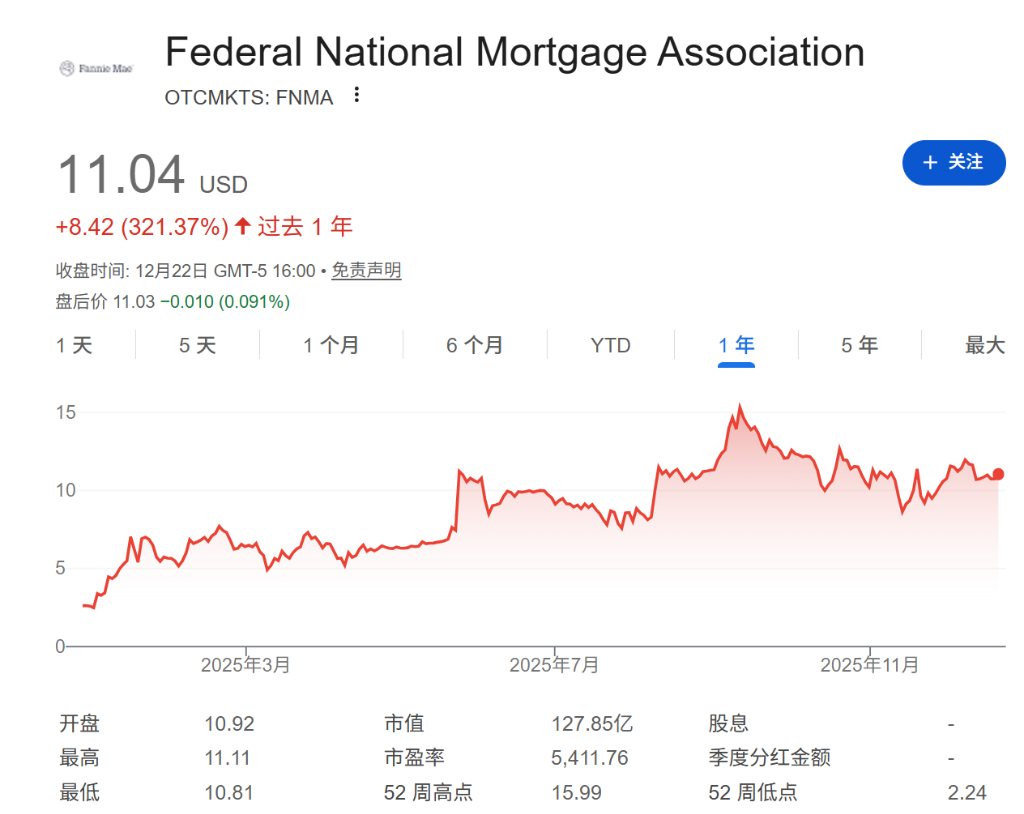
Group 1: Policy Changes and Economic Impact - Trump's administration is reshaping the flow of capital in the U.S. economy through aggressive policy changes, including deregulation of banks and a shift in funding from renewable energy to traditional sectors [1][3] - The "Big Beautiful" bill and subsequent regulatory adjustments signal a redirection of funds away from renewable energy projects towards pipelines, cryptocurrencies, and traditional finance [3] - The relaxation of capital rules for banks is expected to release up to $219 billion in capital for major banks, allowing them to invest more in government-backed assets [4] Group 2: Housing Market and Privatization - A controversial proposal aims to end government control over Fannie Mae and Freddie Mac, leading to significant stock price increases for these entities [6] - The privatization discussions are complicated by the Treasury's $360 billion preferred equity stake in these companies, raising concerns about potential increases in borrowing costs for consumers [8] Group 3: Cryptocurrency and Digital Assets - The Trump administration's new stance on digital assets includes the signing of the GENIUS Act, which provides a legal framework for stablecoins, potentially expanding the market from $310 billion to $4 trillion by 2030 [9] - Major banks, including JPMorgan, are actively entering the stablecoin market, while concerns arise about the potential outflow of deposits from small banks to stablecoins [9] Group 4: Energy Sector Changes - The "Big Beautiful" bill has led to the cancellation or postponement of $29.3 billion worth of clean energy projects, as the administration shifts focus towards fossil fuels and nuclear energy [10] - Companies in the clean energy sector are facing significant challenges, including layoffs and project cancellations, as federal support for renewable energy diminishes [10] Group 5: Retirement Savings and Alternative Investments - A new executive order aims to unlock $13 trillion in retirement savings by encouraging investment in alternative assets, which could significantly benefit the private equity sector [11] - This shift may lead to increased access for ordinary investors to financial products previously limited to seasoned investors, despite warnings about potential risks [11]


特朗普的资本重构:一场万亿美元级别的资金流向大转移
Hua Er Jie Jian Wen· 2025-12-23 10:30
Group 1: Economic Policy Changes - The Trump administration is rapidly altering the flow of capital in the U.S. economy, signaling a shift away from renewable energy projects towards pipeline projects, cryptocurrencies, and traditional finance [1] - A series of regulatory changes, including the relaxation of bank leverage limits and the privatization of mortgage giants, are reshaping the incentive structures within the financial system [1][2] - The administration aims to restore the U.S. as a leading economy by reducing regulatory burdens that stifle economic creativity [1] Group 2: Bank Regulation and Liquidity - Federal banking regulators are relaxing key capital rules, lowering the "enhanced supplementary leverage ratio" (eSLR) from 5% to between 3.5% and 4.25%, effective in early 2026 [2] - This change could release up to $219 billion in capital for major banks like JPMorgan Chase & Co. and Citigroup Inc., leading to increased stock buybacks and dividend payments [2] - Critics warn that these policies may weaken the banking system and increase industry concentration [2] Group 3: Mortgage Market Privatization - A controversial proposal aims to end government control over Fannie Mae and Freddie Mac, leading to significant stock price increases for these entities [3][6] - The Treasury holds $360 billion in preferred equity, making the handling of this asset a central issue in privatization discussions [6] - Potential reforms could raise borrowing costs for consumers, with mortgage rates possibly increasing by 0.2 to 0.8 percentage points [6] Group 4: Cryptocurrency Regulation - The Trump administration is embracing digital assets, having signed the GENIUS Act to provide a legal framework for stablecoins, which could lead to a market growth from $310 billion to $4 trillion by 2030 [7] - Major banks, including JPMorgan, are actively entering the stablecoin market, while Tether seeks a $500 billion valuation [7] - The new regulations require stablecoin issuers to maintain reserves at a 1:1 ratio, potentially increasing demand for U.S. Treasury securities [7] Group 5: Energy Sector Shifts - The administration's policies have led to a significant reversal in energy investment, ending tax credits for electric vehicles and renewable energy projects, resulting in the cancellation or delay of $29.3 billion in clean energy projects [8] - Major companies in the clean energy sector are facing layoffs and project cancellations, while the government is refocusing on fossil fuels and nuclear energy [8] Group 6: Retirement Savings Market - The Trump administration is attempting to tap into the $13 trillion retirement savings market by requiring a reassessment of investment guidelines for retirement plans [9] - This move is seen as a boon for the private equity industry, potentially releasing billions in new capital as funds shift from traditional assets to alternative investments [9] - Critics express concerns about the risks and costs associated with exposing ordinary investors to high-risk financial products [9]