加密金融与传统金融融合

Search documents
美国银行可以“炒币”了?加密货币公司“持证”开启金融新玩法!
Sou Hu Cai Jing· 2025-12-15 11:47
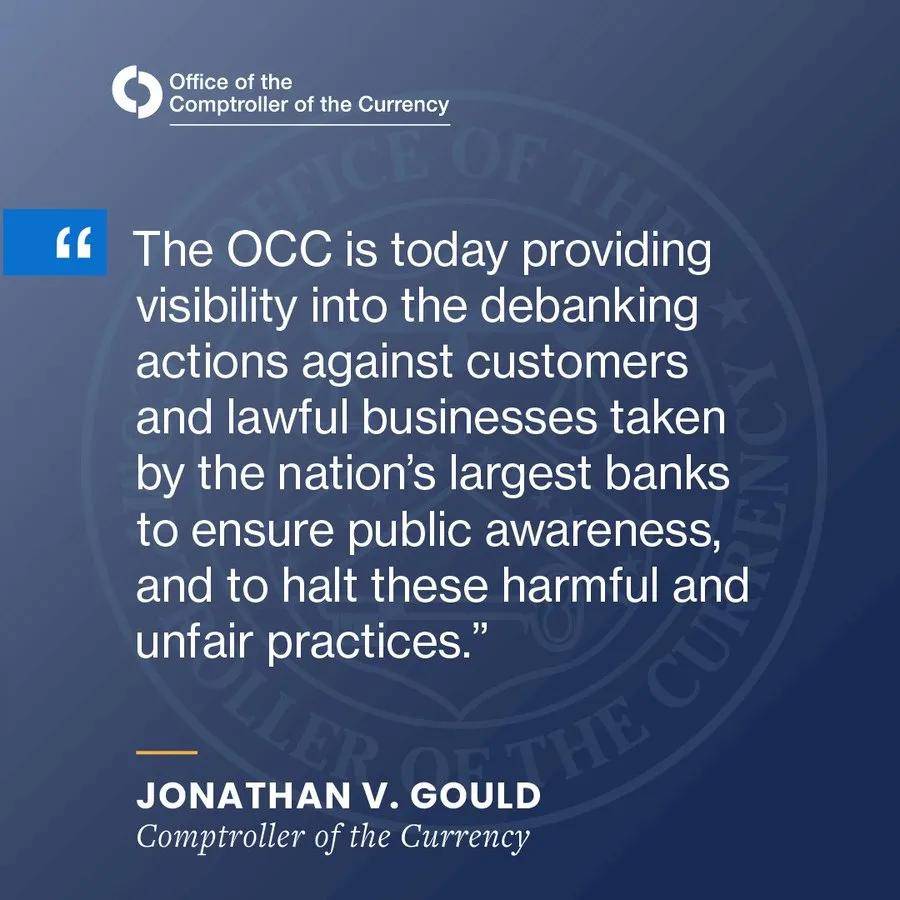
Core Viewpoint - The recent regulatory changes in the U.S. financial landscape signify a pivotal shift for the cryptocurrency industry, moving from a state of "debanking" to a new era of integration between traditional banking and digital assets [1][12]. Group 1: Debanking Issue - The OCC's report confirms systemic exclusion of cryptocurrency companies from banking services by major banks, highlighting the challenges faced in obtaining basic banking services [2][3]. - Major banks, including JPMorgan Chase and Bank of America, have been identified as engaging in discriminatory practices against politically controversial industries, including cryptocurrency [2][3]. Group 2: Regulatory Changes - The OCC has conditionally approved five major cryptocurrency companies for national trust bank charters, allowing them to operate under federal oversight rather than state-by-state regulations [6][7]. - The approved companies include Ripple, Circle, BitGo, Paxos, and Fidelity Digital Assets, marking a significant recognition of compliant crypto firms within the national financial system [8]. Group 3: Banking Participation in Crypto - The OCC's interpretive letter clarifies that banks can engage in "riskless principal trades," allowing them to facilitate cryptocurrency transactions without holding the assets themselves [10][11]. - This enables traditional banks to offer cryptocurrency brokerage services to their clients, integrating crypto trading into their existing platforms [11]. Group 4: Market Implications - The regulatory changes are expected to create a more equitable competitive environment for cryptocurrency companies, enhancing their legitimacy and access to institutional markets [14]. - Traditional banks are presented with new growth opportunities in the cryptocurrency space, allowing them to compete with native exchanges like Coinbase and Binance without incurring significant risks [14]. - The integration of cryptocurrency into the traditional financial system could lead to substantial inflows of capital into the crypto market, accelerating the convergence of crypto and traditional finance [14].