动态磁贴设计理念

Search documents
聊聊“动态磁贴”悄然消亡的这十几年……
3 6 Ke· 2026-02-26 08:38
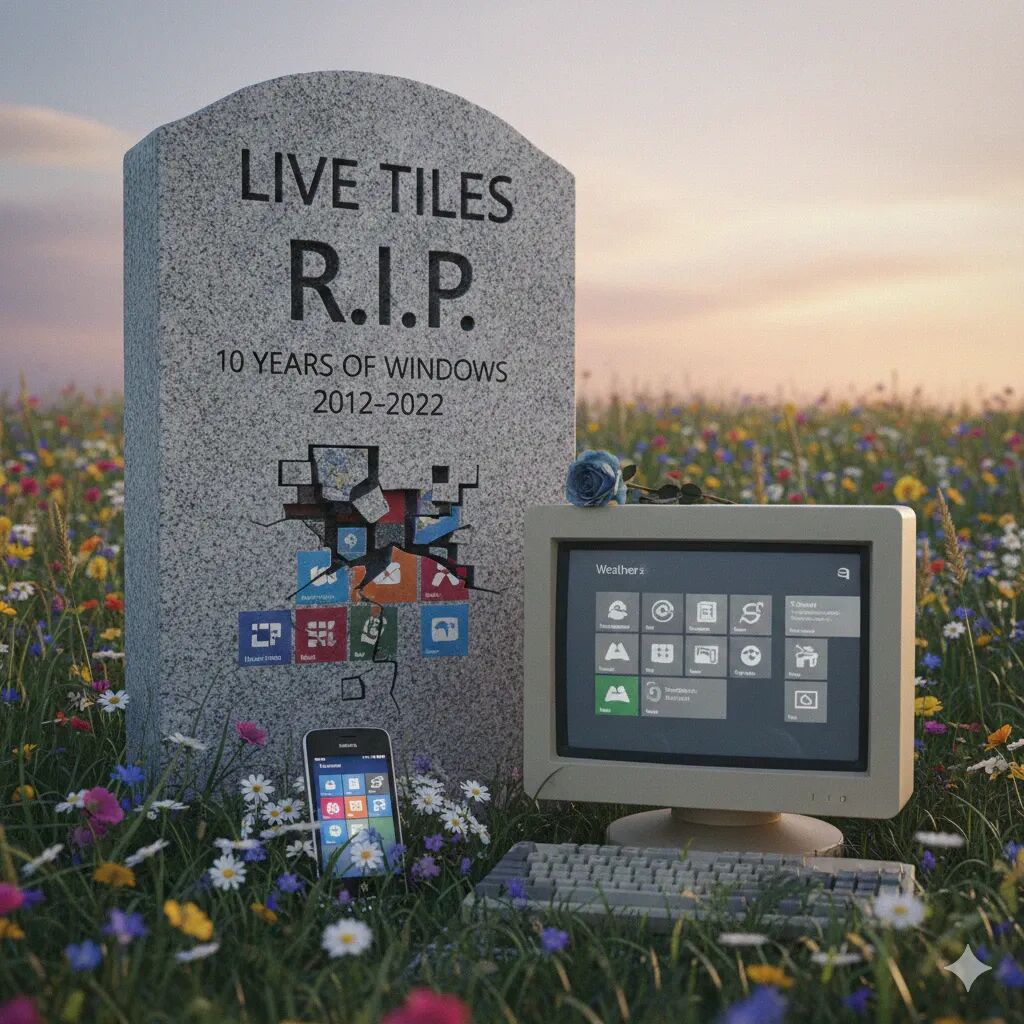
Core Concept - Dynamic tiles were a significant feature in Microsoft's product history, representing an attempt to redefine human-computer interaction and transition from desktop computing to mobile connectivity [1][24][64] - With the introduction of Windows 11, dynamic tiles have quietly exited without formal acknowledgment, yet their underlying philosophy continues to influence modern design [1][37][64] Origin - The concept of dynamic tiles traces back to the Metro design language, later known as Microsoft Design Language, which emphasized functionality over decorative elements [2][10] Design Philosophy - Microsoft Design Language aimed to eliminate unnecessary decorations and focus on the essence of functionality, promoting a clear hierarchy of information [4][10][18] - The design drew inspiration from public transportation systems, emphasizing quick comprehension across diverse cultural backgrounds [7][8] Implementation in Windows Phone - Dynamic tiles were not merely widgets or shortcuts; they displayed real-time data that users cared about, marking a shift from traditional app-centric interfaces [10][12][16] - Windows Phone's design allowed for a more efficient information retrieval process, suitable for mobile devices where users needed quick access to key information [17][24] Transition to Desktop - The radical shift to Windows 8 attempted to integrate dynamic tiles into the desktop environment, which led to significant user backlash due to a mismatch with established desktop usage patterns [22][24][29] - Users found the new interaction model cumbersome, as it deviated from the traditional task-oriented approach of desktop computing [24][29] Evolution and Decline - Windows 8.1 showed signs of compromise by allowing users to boot directly to the desktop, but dynamic tiles still struggled to fit into the desktop paradigm [25][27] - Windows 10 attempted a hybrid approach with a return to the classic start menu while retaining a dynamic tile area, but this did not satisfy either user group [29][31] Final Removal - Dynamic tiles were completely removed in Windows 11, replaced by a new static icon grid and widgets, marking the end of their presence in Microsoft's ecosystem [37][64] - Despite their removal, the design principles of dynamic tiles have influenced modern UI trends, such as card-based interfaces and widget designs in current operating systems [49][53][64] Legacy - The ideas behind dynamic tiles, such as prioritizing information visibility and integrating content into the interface, continue to resonate in contemporary design practices [64]