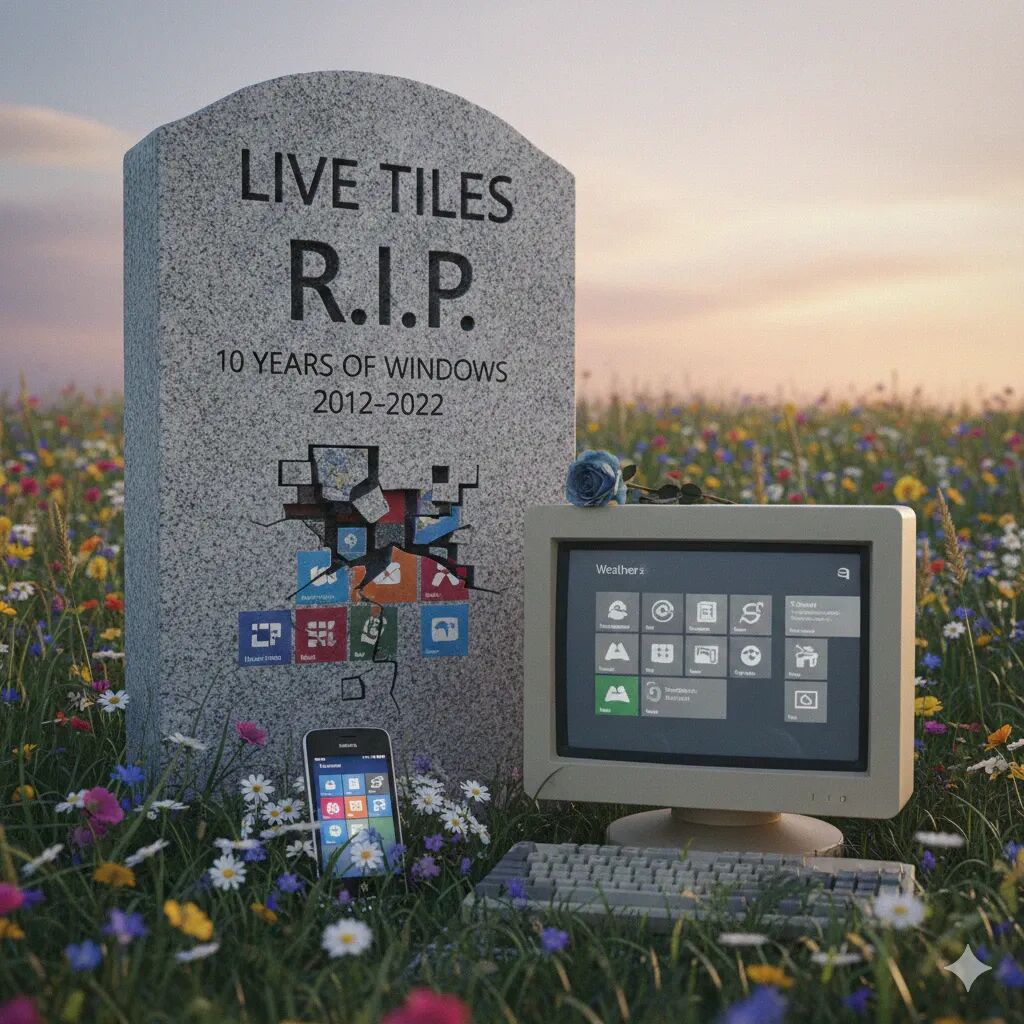
扁平化设计

Search documents
聊聊“动态磁贴”悄然消亡的这十几年……
3 6 Ke· 2026-02-26 08:38
Core Concept - Dynamic tiles were a significant feature in Microsoft's product history, representing an attempt to redefine human-computer interaction and transition from desktop computing to mobile connectivity [1][24][64] - With the introduction of Windows 11, dynamic tiles have quietly exited without formal acknowledgment, yet their underlying philosophy continues to influence modern design [1][37][64] Origin - The concept of dynamic tiles traces back to the Metro design language, later known as Microsoft Design Language, which emphasized functionality over decorative elements [2][10] Design Philosophy - Microsoft Design Language aimed to eliminate unnecessary decorations and focus on the essence of functionality, promoting a clear hierarchy of information [4][10][18] - The design drew inspiration from public transportation systems, emphasizing quick comprehension across diverse cultural backgrounds [7][8] Implementation in Windows Phone - Dynamic tiles were not merely widgets or shortcuts; they displayed real-time data that users cared about, marking a shift from traditional app-centric interfaces [10][12][16] - Windows Phone's design allowed for a more efficient information retrieval process, suitable for mobile devices where users needed quick access to key information [17][24] Transition to Desktop - The radical shift to Windows 8 attempted to integrate dynamic tiles into the desktop environment, which led to significant user backlash due to a mismatch with established desktop usage patterns [22][24][29] - Users found the new interaction model cumbersome, as it deviated from the traditional task-oriented approach of desktop computing [24][29] Evolution and Decline - Windows 8.1 showed signs of compromise by allowing users to boot directly to the desktop, but dynamic tiles still struggled to fit into the desktop paradigm [25][27] - Windows 10 attempted a hybrid approach with a return to the classic start menu while retaining a dynamic tile area, but this did not satisfy either user group [29][31] Final Removal - Dynamic tiles were completely removed in Windows 11, replaced by a new static icon grid and widgets, marking the end of their presence in Microsoft's ecosystem [37][64] - Despite their removal, the design principles of dynamic tiles have influenced modern UI trends, such as card-based interfaces and widget designs in current operating systems [49][53][64] Legacy - The ideas behind dynamic tiles, such as prioritizing information visibility and integrating content into the interface, continue to resonate in contemporary design practices [64]


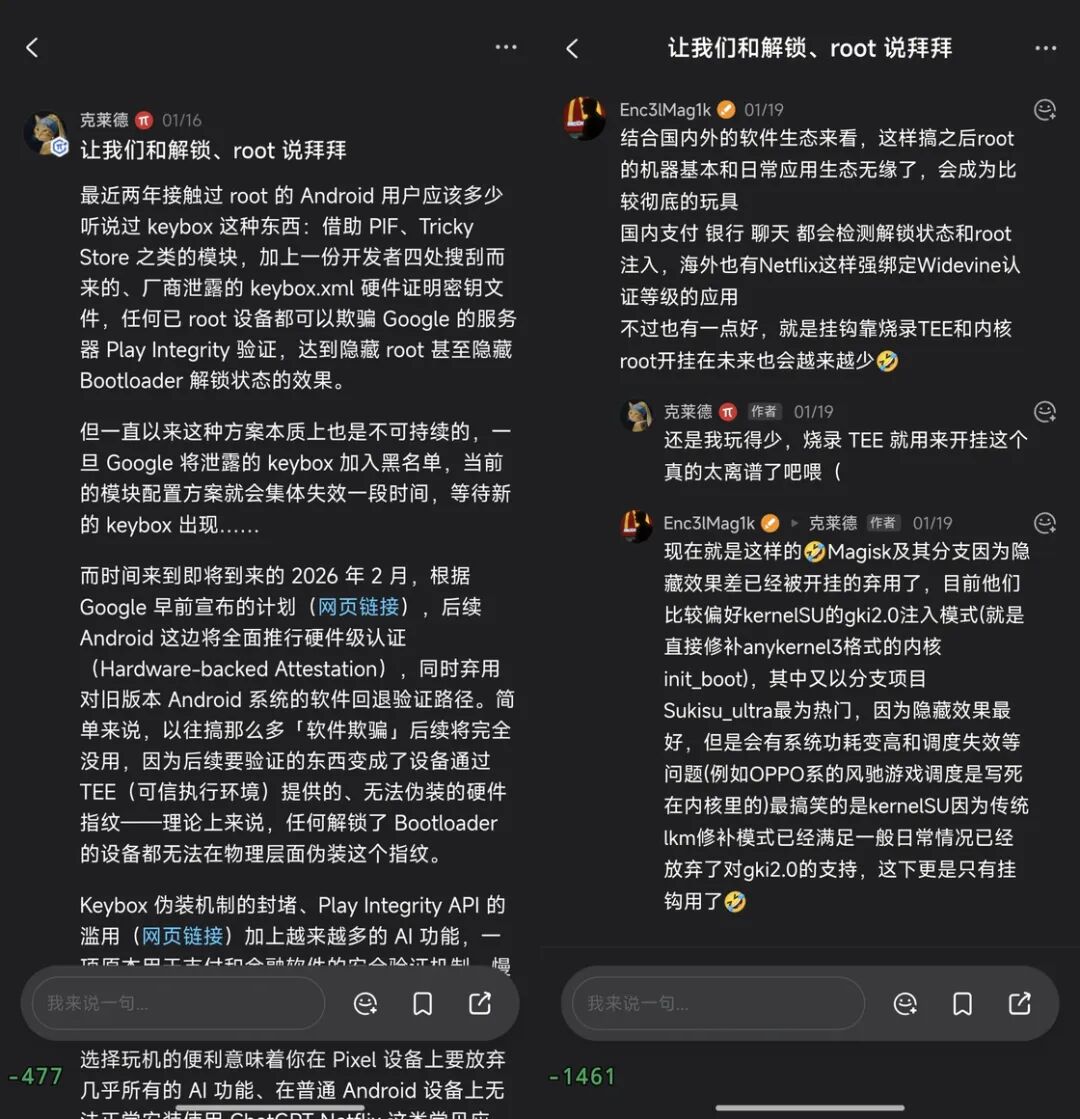
给 10 多年前的旧手机充上电,我见证了「刷机」时代的落幕……
3 6 Ke· 2026-02-23 07:36
Core Viewpoint - The article reflects on the evolution of Xiaomi's MIUI and its impact on the smartphone community, highlighting the transition from a vibrant modding culture to a more restrictive environment for device customization and unlocking [1][54]. Group 1: Xiaomi's Historical Impact - Xiaomi gained recognition in the modding community through MIUI, which was considered one of the best Android systems at the time, offering features that were ahead of its competitors [9][17]. - The launch of the Xiaomi 1S marked a significant expansion in the mid-range market, selling over 3 million units and showcasing Xiaomi's ambition to make smartphones accessible to a wider audience [4][18]. - The design language of MIUI evolved significantly, with MIUI V5 introducing a unique blend of skeuomorphic and flat design elements, which was innovative compared to the prevailing Holo Design of the time [12][14]. Group 2: Technological Advancements - The Xiaomi 1S featured a dual-system partition that prevented bricking and allowed for separate OTA updates, a functionality that was not available in Google's official offerings until years later [17]. - The introduction of the Redmi Note in 2014 coincided with the rollout of 4G in China, marking a pivotal moment in the smartphone market as it catered to the demand for larger screens and better performance [18][20]. - The Redmi Note utilized the Snapdragon 400 processor, which was a significant upgrade at the time, and its specifications allowed it to compete effectively in the mid-range segment [20][23]. Group 3: Community and Market Changes - The modding community, once vibrant and innovative, has seen a decline due to increased restrictions from manufacturers, leading to a fragmented user base and a shift in focus towards mainstream usage rather than customization [50][54]. - The article notes that the commercialization of modding efforts has largely failed, with the community shrinking as manufacturers tighten control over device unlocking and customization [54][56]. - The nostalgia for the early days of Android and the modding culture is contrasted with the current state of the industry, where customization options are limited and the focus has shifted to standardized user experiences [56].