北约危机

Search documents
特朗普称“夺岛”目标不可逆
Xin Lang Cai Jing· 2026-01-21 19:36
Core Viewpoint - The article discusses U.S. President Trump's assertive stance on acquiring Greenland, emphasizing the potential use of force and the imposition of tariffs on European countries opposing this move, which has sparked significant backlash from European leaders and Canada [2][4][5]. Group 1: U.S. Position - President Trump stated that the goal of controlling Greenland is "irreversible" and crucial for U.S. security, claiming "everyone agrees" on this matter [2][4]. - Trump indicated that he has other options if legal challenges arise regarding tariffs on European goods, hinting at a willingness to explore various methods to achieve his objectives [2][4]. - During a press conference, Trump suggested that a satisfactory solution for both the U.S. and NATO regarding Greenland would be found, downplaying NATO's strength without U.S. support [4]. Group 2: European Response - European leaders, including former NATO Secretary General Anders Fogh Rasmussen, have expressed strong opposition to Trump's actions, warning that it could lead to a significant crisis within NATO [4][5]. - French President Macron asserted that Europe will not yield to "bullies" and emphasized the need for a united front against U.S. threats [5]. - The European Commission President Ursula von der Leyen criticized the punitive tariffs imposed by the U.S. as a "mistake," and an emergency summit among EU leaders was scheduled to address the Greenland issue [5]. Group 3: Canada’s Stance - Canadian Prime Minister Carney firmly opposed the U.S. tariffs related to Greenland, expressing solidarity with Greenland and Denmark [5]. - The Director-General of the World Trade Organization called for efforts to resolve the disputes arising from the U.S. demands for Greenland to prevent escalation into a full-blown trade war [5].

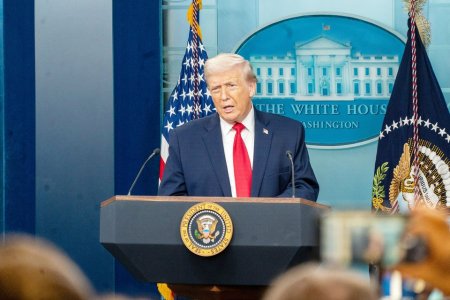
特朗普称“夺岛”目标不可逆 欧洲誓言不屈服
Xin Lang Cai Jing· 2026-01-21 10:20
Core Viewpoint - The article discusses U.S. President Trump's firm stance on acquiring Greenland, indicating a potential use of force and the imposition of tariffs on European countries opposing this move, which has sparked significant backlash from various nations [1][2]. Group 1: U.S. Position - Trump stated that control over Greenland is "irreversible" and crucial for U.S. security, claiming "everyone agrees" on this matter [2]. - He hinted at unspecified alternative methods to achieve Greenland acquisition if legal challenges arise, without ruling out the possibility of using force [2]. - Trump emphasized that NATO's strength is dependent on the U.S., suggesting that a mutually satisfactory solution will be found for both the U.S. and NATO [2]. Group 2: European Response - European leaders, including former NATO Secretary General Anders Fogh Rasmussen, warned that Trump's actions could lead to a significant crisis within NATO and the global order [4]. - French President Macron stated that Europe will not yield to "bullies" and supports the suspension of trade agreements with the U.S. [4][5]. - The Prime Minister of Greenland expressed skepticism about the likelihood of U.S. military action but acknowledged the need for preparedness [4]. Group 3: Trade Implications - The European Commission President Ursula von der Leyen criticized the punitive tariffs imposed by the U.S. as a "mistake" [5]. - An emergency summit among EU leaders is scheduled to address the Greenland issue, indicating a coordinated response to U.S. actions [5]. - WTO Director-General Iweala called for efforts to resolve the disputes arising from the U.S. demands regarding Greenland to prevent a full-blown trade war [6].
俄外长:以前难以想象格陵兰岛问题引发北约危机
Xin Hua Wang· 2026-01-20 10:34
Core Viewpoint - The Russian Foreign Minister Lavrov highlighted the accumulating crisis within the West, using the Greenland issue as a clear example of internal disputes regarding NATO's future as a unified military-political group [1] Group 1 - The debate surrounding Greenland is unprecedented and indicates deeper issues within Western unity [1] - Discussions about the sustainability of NATO as a cohesive entity are now being questioned [1]
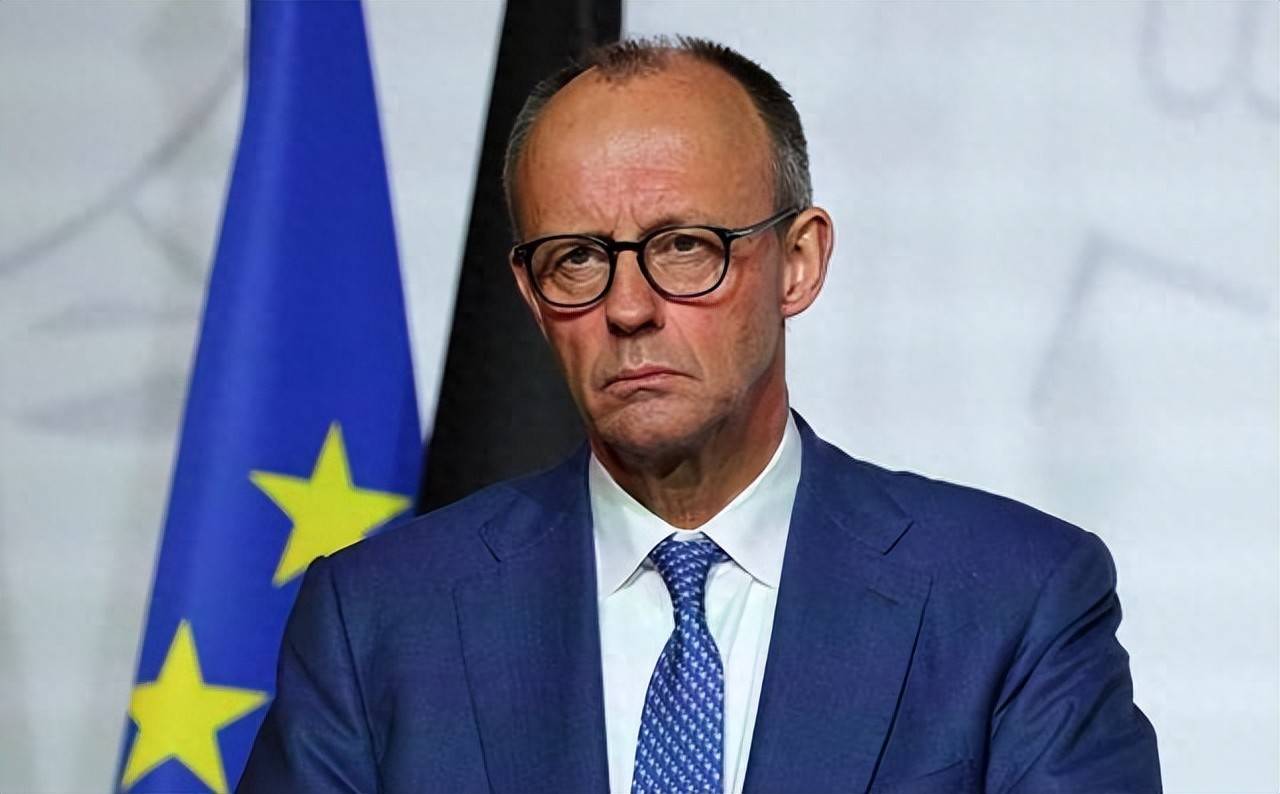
77年来首次,历史性的一幕发生,德国总理下定决心,必须要去中国
Sou Hu Cai Jing· 2026-01-20 05:31
Group 1 - NATO has faced significant challenges over its 77-year history, but the current economic pressures have led to unprecedented rifts among member countries, including the imposition of tariffs [1][3] - Trump's executive order on January 17, 2026, imposes a 10% import tariff on eight European countries, escalating to 25% if no agreement is reached on Greenland by June 1 [1][3] - The EU is considering retaliatory tariffs amounting to €93 billion on U.S. goods, indicating a serious escalation in trade tensions [1][3] Group 2 - The economic pressures from Trump's tariff policies have jeopardized NATO's unity, which was previously maintained through shared security threats [3] - Germany's decision to withdraw troops supporting Denmark in Greenland is closely linked to the timing of U.S. tariff threats, reflecting a shift in European solidarity [3] - The current situation is described as NATO's most severe crisis in its 77-year history, highlighting the unprecedented nature of using tariffs to manage ally relationships [3] Group 3 - German Chancellor Merz's upcoming visit to China from February 24 to 27, 2026, includes a delegation of major German companies, signaling a shift towards seeking support from Eastern markets [5] - Germany's trade with China is projected to reach €254 billion by 2025, surpassing trade with the U.S., indicating a strategic pivot in economic partnerships [5] - The visit aims to foster economic cooperation and is a pragmatic response to the escalating trade tensions with the U.S. [5] Group 4 - The shift in European realism may create new dynamics in international relations, potentially benefiting China amid U.S.-Europe tensions [7] - European leaders are likely to make decisions based on interests rather than simple alignments, indicating a more independent stance [7] - Germany's pivot towards China reflects a rational assessment of current global realities, emphasizing the need for stability in trade relationships [7]