贸易争端

Search documents
美国启动大规模301调查,剑指全球制造业“产能过剩”
制裁名单· 2026-03-11 23:41
Core Viewpoint - The U.S. Trade Representative (USTR) has officially launched a "Section 301" investigation targeting 16 major economies, focusing on the issue of "structural overcapacity" in the manufacturing sector, indicating a shift in U.S. trade policy from a country-specific approach to a global industrial competition perspective [1][6]. Investigation Scope - The investigation will cover major manufacturing centers globally, examining whether the practices of the involved economies are "unreasonable or discriminatory" and impose burdens on U.S. businesses [2]. - The economies included in the investigation are: - Asia: China, Japan, South Korea, India, Vietnam, Thailand, Indonesia, Malaysia, Cambodia, Bangladesh, Singapore, and Taiwan [3]. - Europe: European Union, Switzerland, Norway [4]. - North America: Mexico [5]. Core Allegations - The USTR claims that foreign economies exhibit "structural overcapacity and production surplus" in manufacturing, which poses significant challenges to U.S. re-industrialization efforts. This overcapacity is said to crowd out U.S. domestic production and hinder potential investments in U.S. manufacturing [6]. Legal Procedures - Following the initiation of the investigation, the USTR is required to engage in consultations with the governments of the investigated economies. The USTR has formally requested dialogue with the 16 economies [8]. - A public comment period will begin on March 17, 2026, with a deadline for submissions by April 15, 2026. Public hearings are scheduled to start on May 5, 2026 [9][10][11]. Background and Impact - The "Section 301" is a unilateral retaliatory tool in U.S. trade law, allowing the USTR to impose tariffs or import restrictions if foreign trade practices are deemed "unfair." The initiation of this investigation comes after the U.S. Supreme Court recently struck down certain tariffs imposed under the International Emergency Economic Powers Act, prompting the government to seek alternative legal tools to maintain trade pressure [12]. - Analysts suggest that focusing on "overcapacity" indicates a shift in U.S. trade disputes from traditional anti-dumping and countervailing duties to a broader industrial policy and market competition perspective, potentially leading to high tariffs on specific industrial goods from the investigated economies, thereby escalating global trade tensions [12].

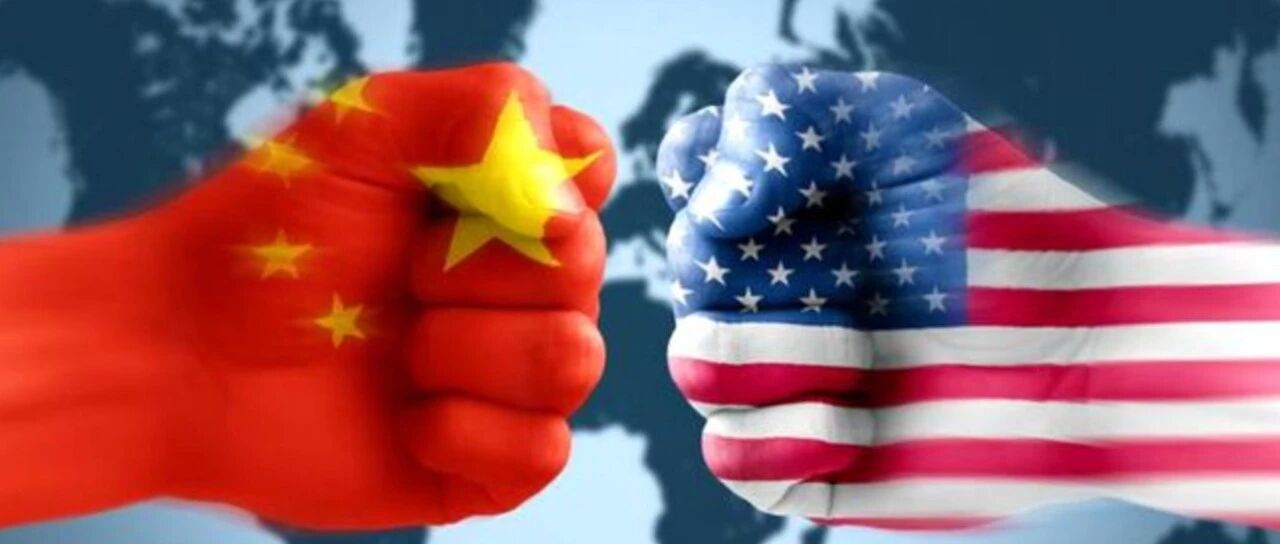
中国把印度告上WTO,获支持
Xin Lang Cai Jing· 2026-02-25 06:28
Core Viewpoint - The World Trade Organization (WTO) has decided to establish a panel to address the dispute between China and India regarding tariffs imposed by India in the renewable energy and automotive sectors [1][2]. Group 1: Dispute Details - The request from China to form a dispute resolution panel was previously obstructed by India during a WTO meeting on January 27 [3]. - China claims that India's tariffs and other measures in the renewable energy and automotive sectors contain "restrictive" and "discriminatory" incentives, violating international rules overseen by the WTO [3]. Group 2: India's Position - The Indian delegation expressed regret over the ongoing dispute and stated that India has participated in negotiations with China "in good faith," arguing that its measures comply with WTO rules [3]. Group 3: Implications and Challenges - Such disputes may persist within the WTO for several years, and the process is further complicated by the United States blocking the appointment of judges to the WTO's appellate body, which serves as the final adjudicating authority [3]. - Since 2019, the U.S. has effectively caused numerous trade disputes to become stalled [3].
“特朗普关税被裁定违法,中国还怎么可能再买美国大豆?”
Xin Lang Cai Jing· 2026-02-21 05:57
Core Viewpoint - The U.S. Supreme Court's ruling against Trump's tariff policy raises concerns in the U.S. agricultural sector, particularly regarding the future of soybean exports to China, which has been a significant market for American farmers [1][4]. Group 1: Tariff Policy and Market Impact - The Supreme Court ruled that Trump's large-scale tariff policy lacked legal authorization, leading to uncertainty about future trade relations with China [4]. - Analysts express doubt that China will continue to purchase U.S. soybeans without the pressure of tariffs, especially as Brazilian soybeans are currently cheaper [1][4]. - Following the ruling, soybean futures in the U.S. experienced a slight decline, indicating market apprehension about the future of U.S. soybean exports [1]. Group 2: China's Soybean Import Dynamics - China, the world's largest soybean importer, has historically been a major buyer of U.S. soybeans, accounting for over 60% of global soybean trade [1]. - Despite fulfilling a previous commitment to purchase 12 million tons of U.S. soybeans, China has significantly increased its purchases from Brazil, which is expected to have a large soybean harvest [4]. - Analysts note that without tariffs, U.S. soybeans will struggle to compete with Brazilian prices, potentially affecting future trade volumes [4]. Group 3: Agricultural Sector Challenges - U.S. farmers are facing their fourth consecutive year of low profits or losses, despite government subsidies reaching historical highs [5]. - The U.S. Department of Agriculture plans to provide $11 billion in transitional subsidies to farmers, partly due to export market challenges [5]. - The uncertainty surrounding tariff policies complicates the outlook for U.S. agriculture, as farmers and market participants await further developments [5]. Group 4: Future Projections - A Goldman Sachs report indicates that China's reliance on soybean imports is expected to decrease significantly over the next decade, from 90% to below 30% [5]. - This shift suggests a long-term trend towards greater self-sufficiency in food production for China, impacting global agricultural trade dynamics [5].

特朗普又疯了!自己签的协议要撕,1.8万亿美元贸易说扔就扔?
Sou Hu Cai Jing· 2026-02-19 11:34
Core Viewpoint - The article discusses former President Trump's potential withdrawal from the USMCA (United States-Mexico-Canada Agreement), which he originally negotiated during his first term, highlighting the economic implications and political motivations behind such a move [1][3][11]. Group 1: Economic Implications - The USMCA covers a trade volume of approximately $1.8 trillion, primarily involving goods and services, and withdrawal could disrupt the North American economy significantly [1][3]. - The agreement has integrated deeply into the North American supply chain, with daily cross-border movement of parts and energy pipelines, making withdrawal a self-inflicted complication [3][11]. - The automotive industry, particularly companies like General Motors and Ford, relies heavily on cross-border components, and any increase in costs could halt production [7][11]. - The agricultural sector, especially in the Midwest, is concerned about losing markets in Canada and Mexico, which are major buyers of U.S. soybeans and corn [7][11]. Group 2: Political Dynamics - Trump's threats to withdraw from the agreement appear to be a strategy to leverage negotiations with Canada and Mexico, aiming to extract concessions by creating uncertainty [1][9]. - Canadian Prime Minister Trudeau and Mexican President López Obrador have both indicated readiness to retaliate against U.S. tariffs, suggesting a potential escalation in trade tensions [5][7]. - The political landscape is influenced by Trump's need to appeal to his voter base, often prioritizing political gain over established trade agreements [11][15]. Group 3: Industry Reactions - The market reacted negatively to the uncertainty surrounding Trump's potential withdrawal, with Wall Street experiencing slight declines due to fears of instability [7][11]. - Business associations have warned that withdrawal could lead to increased inflation and job losses, particularly in manufacturing sectors that depend on the agreement [9][11]. - The article notes that Trump's approach may accelerate companies' efforts to diversify their supply chains away from U.S. dependence, potentially harming U.S. economic interests in the long run [11][15].
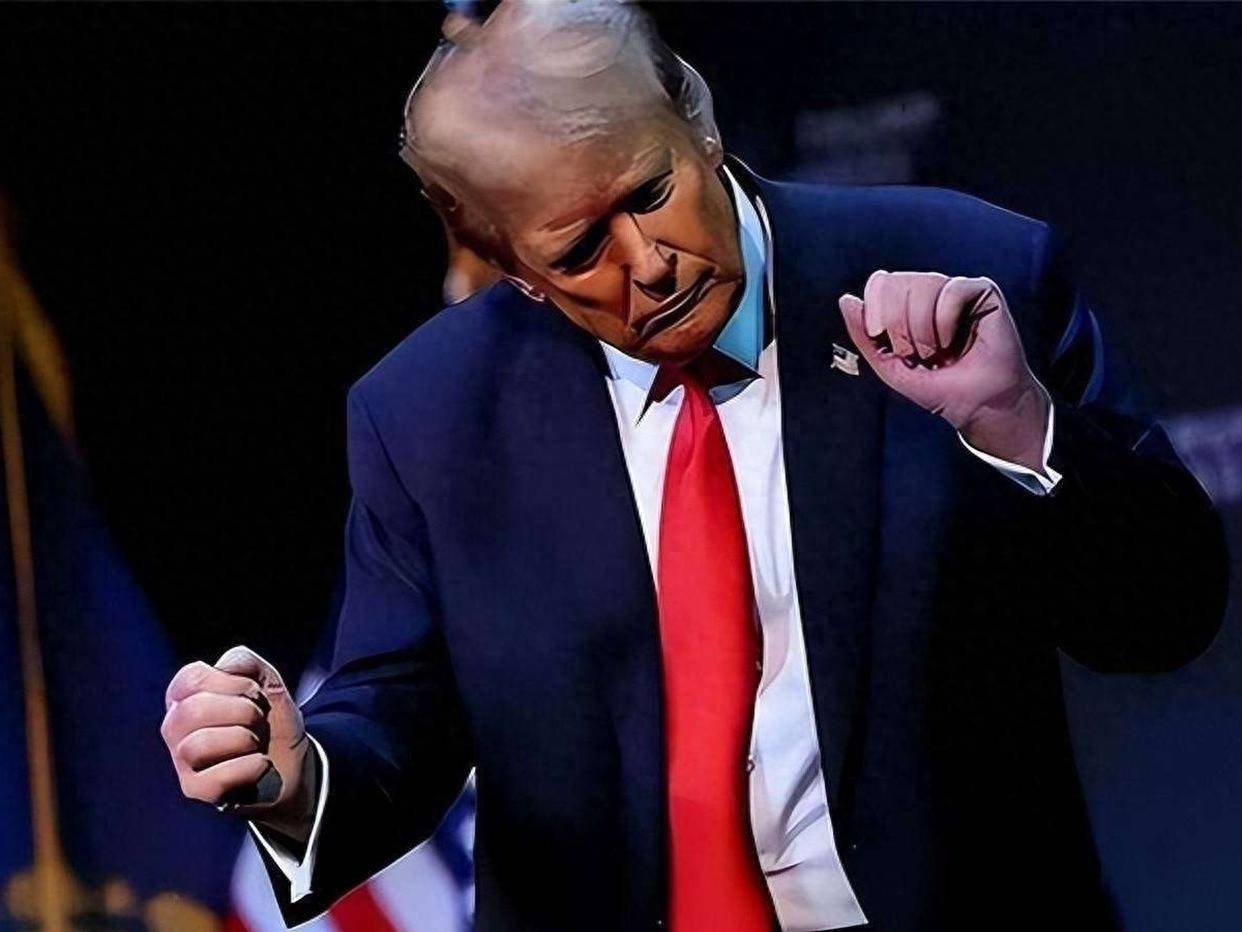
欧盟焦虑爆发,中国工业被盯上?关税威胁下,中方已看准反击方向
Sou Hu Cai Jing· 2026-02-15 03:40
Core Viewpoint - The European Union (EU) is experiencing industrial anxiety, primarily driven by competition from China, leading to calls for a 30% tariff on Chinese goods, particularly from France [1][3]. Group 1: EU's Industrial Concerns - France has raised alarms about the pressure European industries face from Chinese manufacturing, claiming it poses a life-or-death crisis for Europe [1]. - The EU's manufacturing sector is declining, with structural issues such as high energy costs and slow approval processes exacerbating the situation [1][5]. - China's manufacturing output accounts for nearly one-third of global production, while the EU's share is only 15%, intensifying competition within the EU [3]. Group 2: Internal EU Dynamics - The EU's regulatory framework is complex, causing delays in large industrial projects and hindering competitiveness [5]. - There are significant internal disagreements among EU member states regarding trade policies with China, particularly between France and Germany [5]. - Germany's economy is closely tied to China, making it cautious about imposing tariffs that could harm its own industries [5]. Group 3: China's Competitive Edge - China's industrial advantages stem from long-term R&D investments, market competition, and a complete industrial chain, rather than unfair practices [5]. - China has established significant advantages in electric vehicles, batteries, and solar energy, leading to direct competition with European firms [3]. Group 4: Potential Responses and Strategies - If the EU imposes tariffs, China is prepared to retaliate through anti-dumping and countervailing measures, targeting specific products like French wine [5]. - China emphasizes the importance of cooperation and mutual benefit, advocating for a fair and transparent environment for trade [5]. - The EU must focus on improving its own industrial policies and innovation rather than relying solely on tariffs to regain competitiveness [5].
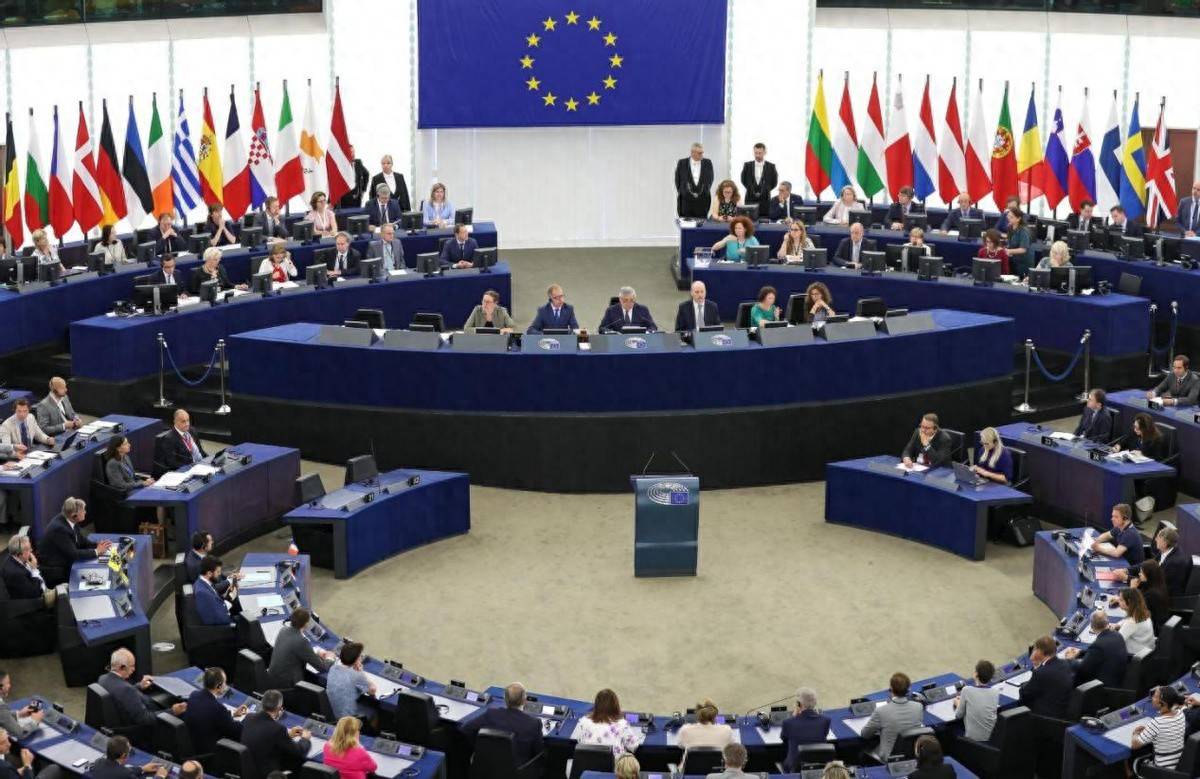
美媒:对华关税“鞭打”美国小企业
Xin Lang Cai Jing· 2026-02-06 23:03
Core Insights - The trade dispute initiated by the U.S. against China has significantly impacted small businesses in Fayetteville, North Carolina, forcing some to deplete their savings to survive [1][2] - The average tariff rate in the U.S. has reached its highest level since 1932, with the government claiming this will encourage consumers to buy domestic products [2] Group 1: Impact on Small Businesses - Small business owners in Fayetteville report that the tariffs have severely affected their revenues, with some resorting to using long-term savings to cope [1] - The owner of a pawn shop noted that many products, although branded American, are linked to Chinese imports, highlighting the interconnectedness of global supply chains [1] Group 2: Cost Increases and Challenges - Businesses are facing an overall cost increase of approximately 25% due to tariffs, particularly affecting high-priced items like aluminum products, which have seen tariffs as high as 100% [2] - Additional costs from customs checks and product inspections have compounded the financial strain on businesses, leading to unexpected losses [2] Group 3: Supply Chain Issues - Local businesses struggle to find domestic alternatives for certain components, such as magnets for speakers, which are not available from U.S. suppliers, forcing them to continue sourcing from China despite the tariffs [2]
美印贸易拉锯战终结,关税从50%降至18%
第一财经· 2026-02-03 09:56
Core Viewpoint - The trade dispute between the United States and India is nearing resolution, with both countries agreeing to adjust tariffs and trade policies following a phone call between President Trump and Prime Minister Modi [3][8]. Group 1: Trade Agreement Details - The U.S. will reduce the "reciprocal tariff" on Indian goods from 25% to 18%, effective immediately, while also eliminating the additional 25% tariff imposed to pressure India to stop purchasing Russian oil [7][8]. - India has agreed to significantly increase its procurement of U.S. oil and may also purchase Venezuelan oil, with commitments to buy over $500 billion worth of U.S. products across various sectors [8][9]. - The overall tariff rate on Indian goods exported to the U.S. will decrease to 18%, enhancing economic ties between the two nations [8]. Group 2: Context of the Agreement - The agreement comes shortly after India signed a free trade agreement with the European Union, indicating competitive pressures in trade relations [8][9]. - The U.S. had previously imposed tariffs on Indian goods due to disagreements over oil purchases, particularly following India's significant imports of Russian oil during the Ukraine conflict [9][11]. - India's oil imports from Russia had peaked at over one-third of its total imports, but recent data shows a decline, with OPEC oil now comprising a higher percentage of imports [11][12]. Group 3: Economic Implications - The reduction in tariffs and the commitment to increase U.S. imports are expected to strengthen economic relations between the U.S. and India, potentially impacting global oil markets and trade dynamics [8][9]. - The price of oil has influenced India's decision to reduce Russian imports, as the price gap between sanctioned and non-sanctioned oil has narrowed with recent price declines [12].
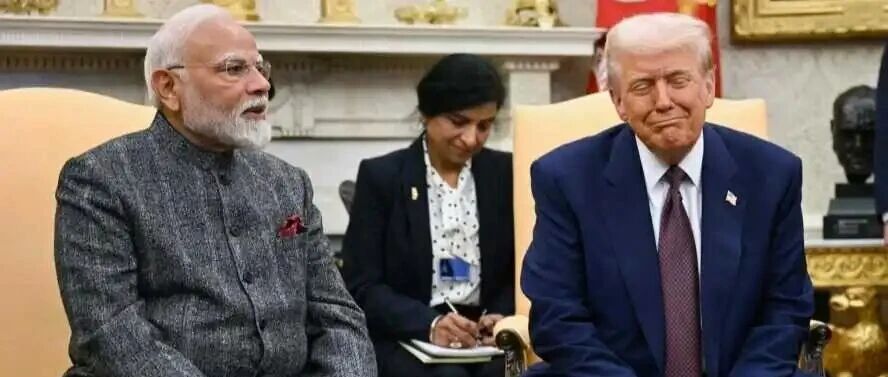
中信证券金属|迎接金属的溢价时代:2026年投资策略
Xin Lang Cai Jing· 2026-02-02 01:33
Core Viewpoint - The metal market is expected to enter a premium era in 2026, supported by strong price momentum from supply disruptions, localized high demand, and inventory accumulation, alongside increased trading activity due to loose liquidity and heightened geopolitical tensions [1][7]. Group 1: 2025 Market Performance - In 2025, the non-ferrous metal sector index rose by 98.6%, outperforming the CSI 300 index by 77.4 percentage points [2]. - Key segments leading the gains included tungsten (+144.8%), nickel-cobalt-tin-antimony (+130.7%), and copper (+123.9%) [2]. - Precious metals saw significant price increases, with gold and silver averaging over 70% higher year-on-year [2]. Group 2: Supply and Demand Dynamics - Supply disruptions in the metal industry are becoming more frequent and severe, with cobalt, tin, lithium, copper, and nickel prices significantly impacted [3][11]. - Factors such as resource depletion, insufficient investment, and resource nationalism contribute to a long-term normalization of supply constraints [3][11]. - Despite potential weaknesses in demand from sectors like real estate and home appliances, strong demand is expected from electric grid investments, energy storage batteries, and AI servers [3][11]. Group 3: Trading Activity and Price Elasticity - Increased trading activity is anticipated to amplify price elasticity, with precious metals reaching new highs and benefiting from heightened investor interest [4][12]. - Geopolitical conflicts have intensified, leading to increased risk aversion and price premiums across various metals, including copper, rare earths, tungsten, and natural uranium [4][12]. Group 4: Price Outlook for Major Metals in 2026 - Precious metals are expected to benefit from monetary attributes and risk aversion, with gold projected to reach $6,000 per ounce and silver potentially hitting $120 per ounce [5][12]. - Copper and aluminum prices are forecasted to average $12,000 per ton and 23,000 yuan per ton, respectively, supported by supply constraints and resilient demand [5][12]. - Lithium prices are expected to rise to 120,000-200,000 yuan per ton due to strong demand from energy storage, while cobalt and nickel prices are also projected to increase significantly [5][12].

紧急“灭火”!韩国高官能否在周五拦下特朗普的“关税战车”?
Jin Rong Jie· 2026-01-30 08:51
Group 1 - The South Korean government is actively working to avoid a bilateral trade war with the U.S. in response to recent tariff threats from President Trump [1] - A meeting between South Korean Minister of Trade, Industry and Energy Kim Jung-kwan and U.S. Secretary of Commerce Gina Raimondo did not yield substantial progress in easing trade tensions [1][2] - The U.S. has threatened to impose tariffs of up to 25% on South Korean goods, including automobiles, timber, and pharmaceuticals, due to delays in fulfilling investment commitments from a previous trade agreement [2] Group 2 - The trade dispute occurs amidst a broader examination of U.S.-South Korea relations, which are being tested by multiple factors, including a data leak investigation involving the U.S.-listed e-commerce giant Coupang [3] - South Korean officials are attempting to clarify that the tariff dispute is unrelated to the Coupang investigation, despite the coinciding timelines creating a complex situation [3] - The U.S. Treasury continues to monitor South Korea for potential currency manipulation and macroeconomic policy issues, indicating ongoing scrutiny of South Korea's economic practices [3] Group 3 - Coupang's interim head for South Korea, Harold Rogers, has appeared for questioning regarding the data leak investigation, indicating the company's cooperation with the authorities [4]
三大指数涨跌不一 美光科技(MU.US)涨5.4% 比特币突破8.9万美元
Zhi Tong Cai Jing· 2026-01-27 22:33
Market Performance - The S&P 500 index reached an intraday all-time high of 6988.82 points, closing up 28.37 points or 0.41% at 6978.60 points [1] - The Dow Jones Industrial Average fell by 408.99 points or 0.83%, closing at 49003.41 points, while the Nasdaq rose by 215.74 points or 0.91%, closing at 23817.10 points [1] - European stock indices showed mixed results, with the German DAX30 down 70.17 points or 0.28% and the UK FTSE 100 up 52.90 points or 0.52% [1] Cryptocurrency - Bitcoin surpassed $89,000, while Ethereum broke the $3,000 mark [2] Commodities - Spot gold reached a historical high, breaking through $5,190 per ounce [3] - Crude oil prices increased, with light crude oil futures for March delivery rising by $1.76 to $62.39 per barrel, a 2.9% increase [4] - The Brent crude oil futures for March delivery rose by $1.98 to $67.57 per barrel, a 3.02% increase [4] Macroeconomic News - The U.S. Senate Republican leader indicated ongoing negotiations to avoid a partial government shutdown, with funding issues at stake [5] - President Trump expressed no concern over the depreciation of the dollar, stating it performs well and suggesting he could influence its value [6] Trade Relations - The U.S. government warned South Korea against discriminatory regulations targeting American tech companies amid escalating trade disputes [7] Metals Trading - CME Group reported a record single-day trading volume of 3,338,528 contracts in metal futures and options, an 18% increase from the previous record [8] Gold Market Outlook - The Royal Bank of Canada projected that gold prices could reach $7,100 per ounce by the end of 2026, driven by ongoing geopolitical tensions and a weakening dollar [9] Real Estate Market - U.S. housing prices showed stagnation, with a year-over-year increase of only 1.4% as high mortgage rates continue to suppress demand [10] Company News - The EU has mandated Google to open its AI services and data access to competitors within six months, aiming to enhance competition in the market [11] - Meta plans to invest up to $6 billion in Corning for fiber optic cables to support its AI data center expansion [12] - Deutsche Bank upgraded Coreweave's rating from "Hold" to "Buy" [13]