
区域协同与流域协作

Search documents
京津冀首次就流域保护开展协同立法
Xin Lang Cai Jing· 2025-12-22 18:17
Group 1 - The core viewpoint of the article is the collaborative legislative efforts by Hebei, Beijing, and Tianjin to protect the Yongding River, marking the first coordinated legislation for watershed protection in the Beijing-Tianjin-Hebei region, with the regulations set to take effect on January 1, 2026 [3] - The Yongding River is a significant tributary of the Haihe River, with a total watershed area of 47,000 square kilometers, of which 48.3% is in the Beijing-Tianjin-Hebei region [3] - The article highlights the ecological challenges faced by the Yongding River due to increased population and industrial water usage, leading to a historical period of drought, which was addressed by the river achieving full flow for the first time in 26 years in 2021 [3] Group 2 - The three local regulations focus on the goals of a "flowing river, green river, clean river, and safe river," emphasizing unified planning, governance, scheduling, and management across the entire watershed [3] - The regulations aim to ensure flood safety, water resource security, and ecological safety while promoting cultural heritage protection [3] - Specific provisions include enhanced collaboration in policy-making, flood control, ecological replenishment, pollution discharge, ecological protection compensation, joint monitoring, information sharing, and law enforcement cooperation [3] Group 3 - The regulations outline comprehensive flood safety requirements, including the establishment of a disaster monitoring and early warning mechanism and the prohibition of certain activities in the watershed [3] - The article emphasizes the importance of water resource protection and efficient utilization, including the implementation of a rigid water resource constraint system and the promotion of ecological replenishment [3] - A horizontal ecological protection compensation mechanism is to be established among the upstream and downstream regions of the Yongding River, with increased support for ecological protection areas [3] Group 4 - The regulations also include measures for cultural resource investigation and the protection of water cultural heritage, aiming to promote cultural tourism and integrate it with agriculture [3]

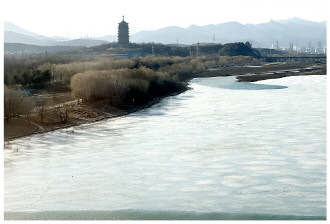
《北京市永定河保护条例》全文发布,2026年1月1日起施行
Bei Jing Ri Bao Ke Hu Duan· 2025-12-02 13:58
Core Points - The regulation aims to ensure flood safety, water resource security, and ecological safety in the Yongding River basin, promoting harmonious coexistence between humans and nature while preserving cultural heritage [1][2][3] Chapter Summaries Chapter 1: General Principles - The Yongding River basin includes the main river, tributaries, and lakes within specific districts of Beijing [1] - The protection of the Yongding River must adhere to the leadership of the Communist Party and align with national strategies for coordinated development [1] Chapter 2: Planning and Control - Local governments are responsible for integrating Yongding River protection into economic and social development plans, with necessary funding included in the budget [2][6] - A hierarchical responsibility system for river protection is established, with water management departments overseeing disaster prevention and ecological protection [3][4] Chapter 3: Flood Safety - Local governments must enhance flood prevention coordination and improve monitoring and early warning systems [9][10] - Construction activities in the river basin must comply with flood prevention standards to ensure safety [19][20] Chapter 4: Water Resource Protection and Utilization - The regulation emphasizes strict control over water resource usage and the establishment of water source protection zones [17][18] - Regular assessments of water quality in reservoirs are mandated to ensure safe drinking water [19][20] Chapter 5: Ecological Protection and Restoration - The regulation promotes integrated protection of the river basin's natural resources, focusing on pollution prevention and ecological restoration [37][38] - New construction projects that discharge pollutants into water bodies must implement pollution control measures [39][40] Chapter 6: Cultural Protection and Inheritance - Local governments are tasked with protecting and utilizing historical and cultural resources in the Yongding River basin [47][48] - Efforts to promote red culture and historical heritage are encouraged [50][51] Chapter 7: Regional Coordination and Basin Cooperation - The regulation calls for enhanced communication and collaboration with upstream and downstream regions for effective river protection [55][56] - A compensation mechanism for ecological protection is proposed to share costs and benefits among regions [61][62] Chapter 8: Legal Responsibilities - Violations of the regulation will be addressed by relevant authorities according to existing laws [64][65] Chapter 9: Supplementary Provisions - The regulation will take effect on January 1, 2026 [69]