生态保护与修复

Search documents
水利部、国家发改委、国家能源局等七部门发布重要指导意见!
中国能源报· 2026-03-20 11:06
Core Viewpoint - The article emphasizes the need for accelerating the green transformation and high-quality development of small hydropower, aiming for optimized layout, ecological restoration, and enhanced safety by 2035, aligning with the broader goals of economic and social green transformation [1][3]. Group 1: Overall Requirements - The initiative is guided by Xi Jinping's thoughts on socialism with Chinese characteristics, focusing on ecological priority and green development, aiming for a safe, green, intelligent, and beneficial small hydropower system [3]. Group 2: Control of Development and Construction - New small hydropower projects are strictly controlled, especially in ecologically sensitive areas, with a general prohibition on new constructions unless specific conditions are met [4]. - Expansion and renovation of existing small hydropower stations will be conducted scientifically, ensuring ecological safety and compliance with relevant planning [5]. Group 3: Implementation of Renovation and Upgrading - The article advocates for the promotion of intelligent upgrades using technologies like IoT and AI to enhance operational safety and efficiency [6]. - Encouragement of collective operation of small hydropower stations to improve emergency response, safety, and ecological flow management [7]. Group 4: Ecological Protection and Restoration Measures - Ecological flow must be scientifically determined, considering various water demands and river characteristics, with regular assessments and adjustments based on ecological needs [8]. - Strict measures for ecological flow release are mandated, ensuring that small hydropower stations meet ecological water requirements [9]. Group 5: Enhancing Safety Production Capabilities - Continuous safety assessments of small hydropower dams are required, with timely upgrades for any identified safety hazards [11]. - Establishment of a comprehensive safety management system to ensure accountability and effective risk management [12]. Group 6: Supporting Rural Revitalization - Small hydropower's role in rural revitalization is highlighted, integrating energy development with rural economic growth and ecological tourism [13]. - Promotion of multi-energy complementary projects in areas rich in renewable resources, leveraging small hydropower's flexibility [14]. Group 7: Policy and Technical Support - Strengthening collaboration between departments and local governments to ensure effective implementation of small hydropower projects [15]. - Encouragement of technological innovation in small hydropower, focusing on safety monitoring and ecological flow management [16]. Group 8: Public Engagement and Awareness - The article calls for increased public awareness and participation in the green transformation of small hydropower, promoting successful experiences and practices [19].


青海海北:草场、林地生态管护率达100%
Zhong Guo Xin Wen Wang· 2026-02-11 00:16
Group 1 - The core viewpoint of the article highlights that the ecological management rate of grasslands and forests in Haibei Prefecture, Qinghai Province, has reached 100% since the implementation of the first local ecological protection and restoration regulations in 2023 [1] - The comprehensive vegetation coverage of grasslands in Haibei Prefecture stands at 69.71% [1] - Haibei Prefecture is recognized as an important resource-rich area, a highland ecological tourism destination, and a hub of diverse ethnic cultures in Qinghai Province [1] Group 2 - In 2026, a total investment of 2.69 billion yuan will be initiated for the "Mountain and Water" project in the Qinghai Lake basin, focusing on the protection and management of key rivers such as the Heihe, Huangshui, and Datong rivers [2] - The prefecture plans to advance the construction of the Qilian Mountain and Qinghai Lake National Parks and develop an ecological bird-watching town at Bird Island [2] - The implementation of a 9,000-acre low-efficiency seabuckthorn forest renovation project aims to integrate multiple business models with 320,000 acres of seabuckthorn [2]
亮眼数据绘就2025年生态环保“美丽画卷” 以“含绿量”提升发展“含金量”
Yang Shi Wang· 2026-01-29 04:13
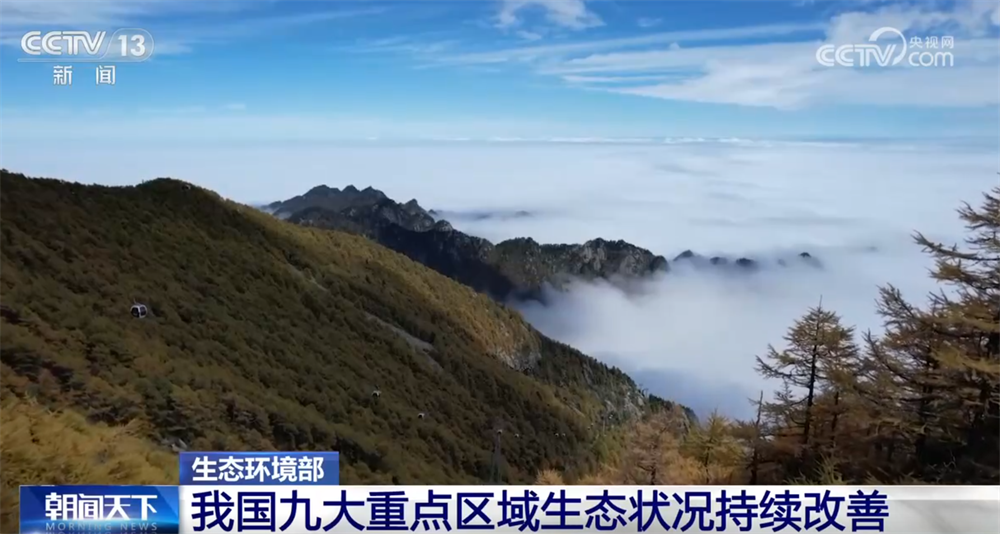
Core Insights - The ecological status assessment report highlights significant improvements in key regions of China, indicating effective ecological protection and restoration efforts [1][3] Group 1: Ecological Improvements - The Yellow River basin has established a governance system that promotes collaboration between central and local authorities, leading to improved ecosystem quality and a vegetation "green line" extending approximately 300 kilometers to the northwest [3] - The ecological quality of the Yangtze River Economic Belt's tributaries is improving year by year, with a notable recovery trend in over 50% of the important ecological spaces in the Qinling region [3] - Desertification in typical areas has decreased, with a 12.9% reduction in sandification in the Yellow River "bent" region [3] Group 2: Air Quality Enhancements - The average PM2.5 concentration across 339 cities is 28.0 micrograms per cubic meter, a year-on-year decrease of 4.4%, while PM10 concentration is 48 micrograms per cubic meter, down 2.0% [5] - The proportion of days with good air quality, excluding days with abnormal dust levels, is 89.3%, an increase of 1.9 percentage points year-on-year [7] - In the Beijing-Tianjin-Hebei region, the average PM2.5 concentration is 37.3 micrograms per cubic meter, down 11.6%, with a good air quality day ratio of 73.8%, up 5.5 percentage points [11] Group 3: Water Quality Improvements - The proportion of water quality monitoring sites with good water quality (Class I-III) is 91.4%, an increase of 1.0 percentage point year-on-year, with a 0.6% proportion of poor quality sites [12] - In major river basins, the proportion of good water quality sites is 93.0%, up 0.6 percentage points, while the proportion of poor quality sites is 0.4%, up 0.1 percentage points [12] - Among 209 monitored key lakes and reservoirs, 78.5% have good water quality, an increase of 1.4 percentage points, while the proportion of poor quality lakes has decreased by 1.0 percentage point to 3.3% [12] Group 4: Pollution Prevention Achievements - During the 14th Five-Year Plan period, significant progress has been made in pollution prevention, including the completion of ultra-low emissions transformation for 940 million tons of crude steel production capacity [13] - The clean heating rate in northern regions has reached 83%, and the remediation completion rates for important rivers and lakes are 95% and 99%, respectively [13] - The construction of "waste-free cities" is being progressively advanced, and actions for managing new pollutants are being implemented [13]
2025年我国环境空气质量和地表水环境质量持续改善
Jing Ji Guan Cha Wang· 2026-01-28 03:35
Group 1: Air Quality Improvement - The average PM2.5 concentration in 339 cities is 28.0 micrograms per cubic meter, a year-on-year decrease of 4.4% [1] - The average PM10 concentration is 48 micrograms per cubic meter, a year-on-year decrease of 2.0% [1] - The proportion of days with good air quality is 89.3%, an increase of 1.9 percentage points year-on-year [1] Group 2: Surface Water Quality Enhancement - The proportion of good water quality (Class I-III) in 3641 monitored sections is 91.4%, an increase of 1.0 percentage points year-on-year [1] - The proportion of inferior Class V sections is 0.6%, unchanged year-on-year [1] - In major river basins, the proportion of good water quality sections is 93.0%, an increase of 0.6 percentage points year-on-year [1] Group 3: Ecosystem Status Assessment - The trend of ecosystem degradation in China has been initially curbed, as reported in the "Blue Book" on ecological status [2] - The Yellow River basin has established a governance system, with ecological quality improving and vegetation extending approximately 300 kilometers westward [2] - Groundwater levels in the Beijing-Tianjin-Hebei region have risen by 2.59 meters and 7.06 meters for shallow and deep layers respectively since 2018 [2] Group 4: Regional Air Quality Data - The average PM2.5 concentration in the "2+36" cities of the Beijing-Tianjin-Hebei region is 37.3 micrograms per cubic meter, a year-on-year decrease of 11.6% [3] - The average proportion of good air quality days in the same region is 73.8%, an increase of 5.5 percentage points year-on-year [3] - In the Yangtze River Delta, the average PM2.5 concentration is 31.7 micrograms per cubic meter, a year-on-year decrease of 3.9% [3]
京津冀首次就流域保护开展协同立法
Xin Lang Cai Jing· 2025-12-22 18:17
Group 1 - The core viewpoint of the article is the collaborative legislative efforts by Hebei, Beijing, and Tianjin to protect the Yongding River, marking the first coordinated legislation for watershed protection in the Beijing-Tianjin-Hebei region, with the regulations set to take effect on January 1, 2026 [3] - The Yongding River is a significant tributary of the Haihe River, with a total watershed area of 47,000 square kilometers, of which 48.3% is in the Beijing-Tianjin-Hebei region [3] - The article highlights the ecological challenges faced by the Yongding River due to increased population and industrial water usage, leading to a historical period of drought, which was addressed by the river achieving full flow for the first time in 26 years in 2021 [3] Group 2 - The three local regulations focus on the goals of a "flowing river, green river, clean river, and safe river," emphasizing unified planning, governance, scheduling, and management across the entire watershed [3] - The regulations aim to ensure flood safety, water resource security, and ecological safety while promoting cultural heritage protection [3] - Specific provisions include enhanced collaboration in policy-making, flood control, ecological replenishment, pollution discharge, ecological protection compensation, joint monitoring, information sharing, and law enforcement cooperation [3] Group 3 - The regulations outline comprehensive flood safety requirements, including the establishment of a disaster monitoring and early warning mechanism and the prohibition of certain activities in the watershed [3] - The article emphasizes the importance of water resource protection and efficient utilization, including the implementation of a rigid water resource constraint system and the promotion of ecological replenishment [3] - A horizontal ecological protection compensation mechanism is to be established among the upstream and downstream regions of the Yongding River, with increased support for ecological protection areas [3] Group 4 - The regulations also include measures for cultural resource investigation and the protection of water cultural heritage, aiming to promote cultural tourism and integrate it with agriculture [3]
《北京市永定河保护条例》全文发布,2026年1月1日起施行
Bei Jing Ri Bao Ke Hu Duan· 2025-12-02 13:58
Core Points - The regulation aims to ensure flood safety, water resource security, and ecological safety in the Yongding River basin, promoting harmonious coexistence between humans and nature while preserving cultural heritage [1][2][3] Chapter Summaries Chapter 1: General Principles - The Yongding River basin includes the main river, tributaries, and lakes within specific districts of Beijing [1] - The protection of the Yongding River must adhere to the leadership of the Communist Party and align with national strategies for coordinated development [1] Chapter 2: Planning and Control - Local governments are responsible for integrating Yongding River protection into economic and social development plans, with necessary funding included in the budget [2][6] - A hierarchical responsibility system for river protection is established, with water management departments overseeing disaster prevention and ecological protection [3][4] Chapter 3: Flood Safety - Local governments must enhance flood prevention coordination and improve monitoring and early warning systems [9][10] - Construction activities in the river basin must comply with flood prevention standards to ensure safety [19][20] Chapter 4: Water Resource Protection and Utilization - The regulation emphasizes strict control over water resource usage and the establishment of water source protection zones [17][18] - Regular assessments of water quality in reservoirs are mandated to ensure safe drinking water [19][20] Chapter 5: Ecological Protection and Restoration - The regulation promotes integrated protection of the river basin's natural resources, focusing on pollution prevention and ecological restoration [37][38] - New construction projects that discharge pollutants into water bodies must implement pollution control measures [39][40] Chapter 6: Cultural Protection and Inheritance - Local governments are tasked with protecting and utilizing historical and cultural resources in the Yongding River basin [47][48] - Efforts to promote red culture and historical heritage are encouraged [50][51] Chapter 7: Regional Coordination and Basin Cooperation - The regulation calls for enhanced communication and collaboration with upstream and downstream regions for effective river protection [55][56] - A compensation mechanism for ecological protection is proposed to share costs and benefits among regions [61][62] Chapter 8: Legal Responsibilities - Violations of the regulation will be addressed by relevant authorities according to existing laws [64][65] Chapter 9: Supplementary Provisions - The regulation will take effect on January 1, 2026 [69]
从劣V类到Ⅲ类,济南白云湖重现“江北明珠”风采
Zhong Guo Huan Jing Bao· 2025-11-22 05:27
Core Viewpoint - The transformation of Baiyun Lake from an ecologically degraded area to a thriving national wetland park is attributed to systematic ecological protection and restoration efforts by the local government, which include pollution control, habitat restoration, and biodiversity enhancement [1][3][5]. Group 1: Ecological Restoration Efforts - Baiyun Lake's water quality improved from Class V to Class III between 2006 and 2025, with significant biodiversity increases, including 145 bird species and 223 plant species [1][6]. - The local government has invested 124.27 million yuan in flood control and drainage projects, clearing 566,000 cubic meters of sediment and restoring 20,000 mu of wetland area [6][7]. - A total investment of 350 million yuan has been allocated for the comprehensive cleanup of 1,544 fish ponds around the lake, restoring wetland areas to over 26,000 mu [7]. Group 2: Pollution Control Measures - The local government has shut down over 2,600 illegal plastic recycling operations around Baiyun Lake, addressing significant pollution sources [4][5]. - Agricultural practices have been adjusted to reduce chemical fertilizer and pesticide use, thereby mitigating nutrient pollution in the lake [4][5]. - A comprehensive management system has been established to monitor and enforce environmental regulations, ensuring ongoing protection of the wetland ecosystem [9][10]. Group 3: Community Engagement and Education - The Baiyun Lake National Wetland Park has implemented educational programs and community activities to raise awareness about wetland conservation, reaching over 15,000 participants [10][14]. - A reporting mechanism has been established to encourage public involvement in protecting the wetland from harmful activities [10][14]. - The park management has focused on integrating ecological tourism and educational initiatives to foster a deeper connection between the community and the wetland environment [10][14].
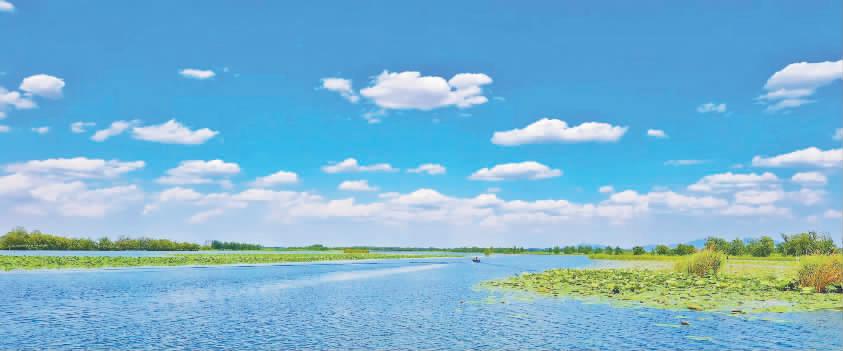
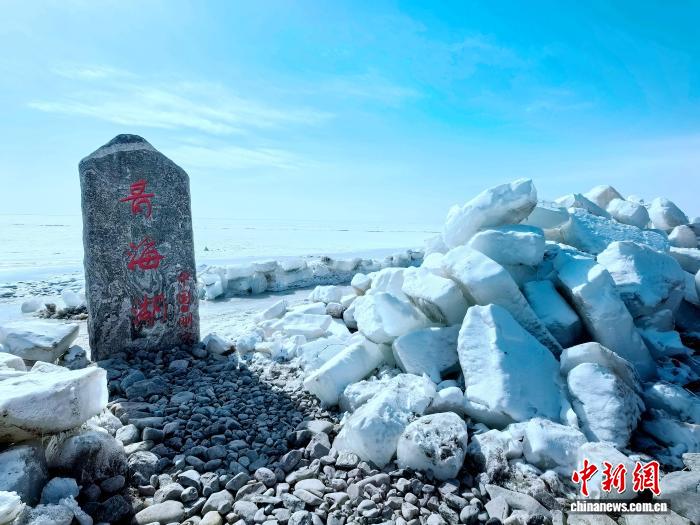
“十四五”期间青海湖投入3.3亿元实施生态保护与修复项目
Zhong Guo Xin Wen Wang· 2025-11-21 13:29
Core Points - During the "14th Five-Year Plan" period, a total investment of 330 million yuan has been made for ecological protection and restoration projects in Qinghai Lake [1][3] - Qinghai Lake serves as a natural barrier against desertification and is a crucial climate regulator for the Tibetan Plateau, directly impacting national ecological security [3] Investment and Projects - The investment primarily focuses on wetland protection and restoration, water ecological restoration, and the establishment of monitoring and regulatory systems [3] - Significant improvements have been made in the monitoring and regulatory systems for ecological protection [3] Environmental Infrastructure - The upgrade project for the Erlangjian sewage treatment plant has been completed, and seven surrounding sewage treatment plants have achieved stable compliance with discharge standards [3] - The closure of 17 scattered garbage disposal sites in the watershed has been implemented, transitioning to centralized transportation and processing, achieving near-zero landfill and zero direct sewage discharge goals [3]
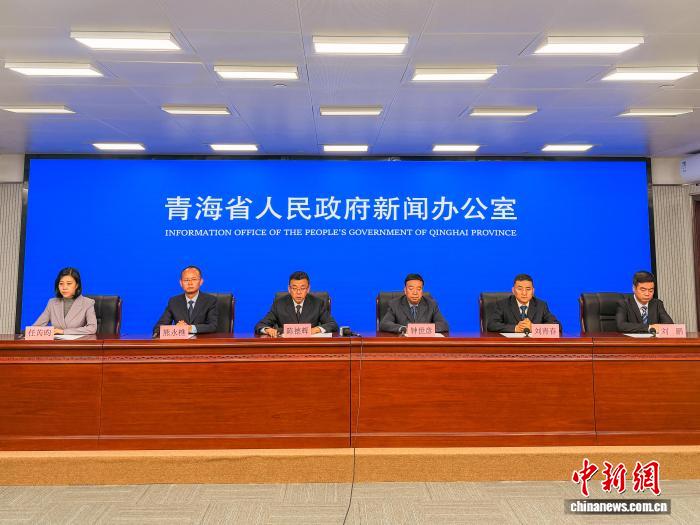
香格里拉国家公园候选区生态环境持续向好
Xin Hua Wang· 2025-11-14 11:05
Core Insights - The Shangri-La National Park candidate area is enhancing its ecological protection and restoration efforts, leading to improved biodiversity and ecosystem stability [1][2][3] Group 1: Ecological Restoration and Infrastructure Development - The candidate area has repaired 115.63 kilometers of patrol trails and constructed 7 management stations and 3 observation posts to strengthen the patrol system [2] - New facilities include 3 ecological toilets and wastewater treatment stations, along with improved waste management and signage [2] - Wetland restoration projects have been implemented, focusing on fencing, micro-topography modification, and replanting native wetland species, which have improved water conservation and soil retention capabilities [2] Group 2: Wildlife Protection and Research Collaboration - The wildlife rescue center has undergone upgrades, and scientific modifications to the habitat of the black-necked crane are being conducted, alongside artificial breeding trials for the Yunnan minnow [2][4] - Collaboration with research institutions like the Chinese Academy of Sciences and Southwest Forestry University has been intensified to conduct comprehensive scientific surveys and establish a monitoring network [4] - The area now features real-time wildlife monitoring systems and various ecological research platforms, providing essential data for species management and conservation [4] Group 3: Community Involvement and Sustainable Development - The integration of community development with ecological protection is emphasized, with local villages participating in ecosystem restoration and management [4] - Initiatives include the construction of patrol trails, ecological vegetation restoration, and the promotion of sustainable agricultural practices among villagers [4] - The shift from traditional farming to ecological management is aimed at creating a sustainable cycle of ecological protection and rural development [4]
“天蓝水清空气好” 卫星视角见证吉林“十四五”生态蝶变
Yang Shi Xin Wen Ke Hu Duan· 2025-09-16 06:50
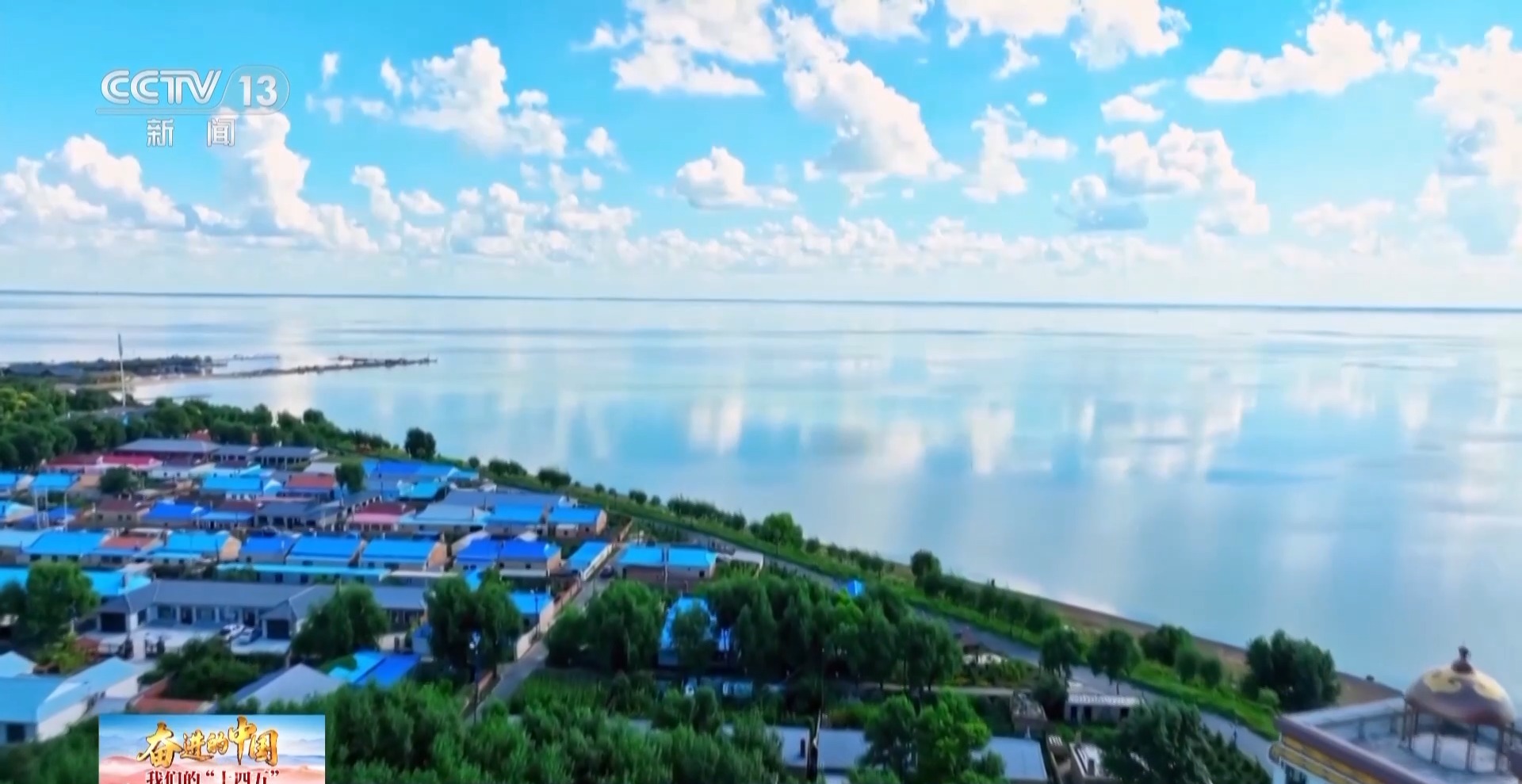
Core Insights - During the "14th Five-Year Plan" period, Jilin Province is implementing the "Two Mountains" concept, focusing on ecological protection and restoration to support high-quality development [1] Ecological Restoration - The Chagan Lake has undergone significant ecological restoration, with a water area of 420 square kilometers and water quality improved to Class IV, leading to a rapid increase in local fishery resources [1] - Satellite imagery shows that Chagan Lake was connected to the Songhua River in 2020, with water replacement requiring about 10 years due to simple water infrastructure [1] - Local initiatives included building water channels, repairing pipelines, and planting reeds, achieving water connectivity with the Songhua and Nen rivers in just three years [1] Water Ecological Governance - Jilin Province has successfully eliminated all 109 national assessment sections with water quality below Class V, achieving the best water environment quality in history during the "14th Five-Year Plan" [3] Mining Rehabilitation - In Lishu County, former mining sites have been transformed into ecological parks, with over 100 mining enterprises previously operating and nearly 70 abandoned pits remaining [5] - All non-compliant mining operations have been shut down, and during the "14th Five-Year Plan," 3,800 acres of mining areas have been re-greened, with over 800,000 trees planted [7] Biodiversity Protection - The coverage of natural ecosystems in Jilin Province has increased annually, with the population of wild Northeast tigers and leopards rising from 27 and 42 to approximately 70 and 80, respectively, showcasing significant biodiversity protection efforts [9] Urban Green Development - The Yitong River has undergone comprehensive governance, with the development of facilities such as plastic running tracks and bike paths along its banks, creating a 66-kilometer greenway that connects parks and cultural tourism projects [13] - The newly opened Sizi Nanhe Scenic Area along the Yitong River allows local residents to experience a "coastal" lifestyle with beaches and camping [11] Overall Ecological Initiatives - Jilin Province is committed to achieving a "blue sky, clear water, and good air" standard through various ecological measures, illustrating the concept that "green mountains and clear waters are invaluable assets" [15]