
区域酒企业绩下滑

Search documents
二季度业绩双位数下滑 苏超为何没有带火赞助商今世缘
Di Yi Cai Jing· 2025-08-26 05:21
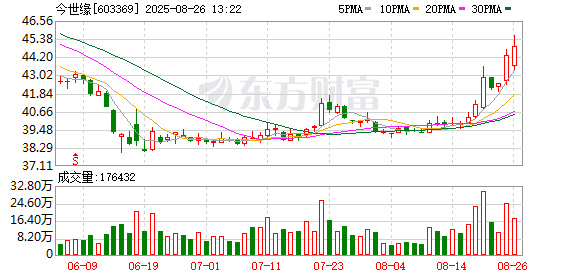
值得注意的是,今世缘同时是苏超的官方战略合作伙伴。今年5月苏超正式开赛并迅速走红,今世缘品 牌也在全国范围内获得了巨大的曝光量。但从业绩表现来看,作为江苏区域酒企,其在江苏省内实现收 入62.5亿元,同比下降6.1%;主要淮安、南京和苏中大区分别下滑4.3%、7.9%和0.2%。 今年夏天江苏省城市足球联赛(以下简称"苏超")的爆火,让区域体育IP成为新热点,作为苏超赞助商 的江苏酒企今世缘(603369.SH)也迎来了一波"泼天的流量",但其第二季度业绩却出现两位数下滑。 在业内看来,在市场竞争加剧的背景下,名酒对区域酒企的挤压正日趋严重,后者面临更大的挑战。 财报显示,2025年上半年,今世缘实现营业收入69.5亿元,较上年同期下降约4.8%;归母净利润22.3亿 元,同比降幅约9.5%。尤其是第二季度业绩明显下滑,单季营收18.5亿元,同比下降29.7%;归母净利 润5.9亿元,同比减少37.1%。而上年同期,今世缘第二季度收入和净利润还分别实现了21.5%和16.9%的 同比增长。 从产品结构来看,上半年今世缘售价300元以上价格带产品实现收入43.1亿元,同比下降7.4%;100元到 300元价格带 ...


二季度业绩双位数下滑,苏超为何没有带火赞助商今世缘
Di Yi Cai Jing· 2025-08-26 05:14
Core Viewpoint - The competition in the regional liquor industry is intensifying, leading to significant challenges for local enterprises like Jiangsu's Jinsiyuan, which, despite increased brand exposure from sponsoring the Suzhou Super League, reported a substantial decline in second-quarter performance [1][2]. Group 1: Company Performance - Jinsiyuan's revenue for the first half of 2025 was 6.95 billion yuan, a decrease of approximately 4.8% year-on-year, with net profit attributable to shareholders at 2.23 billion yuan, down about 9.5% [2]. - In the second quarter, Jinsiyuan's revenue fell to 1.85 billion yuan, a year-on-year decline of 29.7%, while net profit dropped to 590 million yuan, a decrease of 37.1% [2]. - The sales of products priced above 300 yuan generated 4.31 billion yuan, down 7.4% year-on-year, while products priced between 100 and 300 yuan saw a slight increase of 0.7% [2]. Group 2: Market Environment - The overall industry is experiencing a downturn, with many regional liquor companies reporting significant declines in performance during the second quarter [3]. - Notable competitors like Jiu Gui Jiu and Kou Zi Jiao reported revenue declines of 56.6% and 48.5% respectively in the same period, highlighting the broader challenges faced by regional brands [3]. - The decline in high-end product sales is attributed to a decrease in consumer demand and a drop in market prices for leading brands, which further constricts the market space for regional liquor companies [3].