医保待遇等待期

Search documents
医保待遇等待期, 您了解吗?
Xin Lang Cai Jing· 2026-02-26 20:43
Core Viewpoint - The article discusses the concept of the waiting period for medical insurance benefits in Inner Mongolia, explaining its necessity and implications for insured residents [1][2]. Group 1: Definition and Purpose of Waiting Period - The waiting period for medical insurance benefits is a timeframe during which insured individuals cannot claim reimbursements due to late enrollment or payment [1]. - This waiting period is established to prevent selective enrollment, ensuring that individuals contribute to the system before they can benefit from it, thus maintaining fairness and sustainability [1]. Group 2: Conditions Leading to Waiting Period - Starting in 2025, individuals who do not enroll during the designated enrollment period or have gaps in their insurance coverage will face a fixed waiting period of 3 months, with longer gaps resulting in extended waiting periods [2]. - For example, if an individual completes their payment on January 10, 2026, any medical expenses incurred before April 10, 2026, will not be reimbursed [2]. Group 3: Enrollment and Payment Procedures - If individuals miss the centralized payment period, they can still enroll and pay for insurance, but must do so in person at designated offices, as online payment options are unavailable during this time [3]. - The minimum personal payment standard for the 2026 Inner Mongolia urban and rural residents' basic medical insurance is set at no less than 400 yuan, subject to local adjustments [3]. Group 4: Continuous Coverage and Waiting Period - Individuals who have maintained continuous insurance coverage and pay during the centralized period will not face a waiting period, even if they return to Inner Mongolia from another region [4]. - Issues may arise if the previous insurance information is not promptly uploaded to the national platform, in which case individuals should contact their previous insurance provider to resolve the waiting period [4].
【省医保局】陕西城乡居民医保集中缴费期12月25日截止
Shan Xi Ri Bao· 2025-12-16 22:46
Group 1 - The concentrated payment period for the 2026 urban and rural residents' basic medical insurance in Shaanxi will end on December 25, 2025, urging residents to pay on time to avoid affecting their medical benefits for the next year [1] - The personal contribution standard for the 2026 medical insurance is set at 400 yuan per person per year, with a financial subsidy increased to 700 yuan, indicating ongoing policy benefits [1] - Continuous contributors will enjoy full medical benefits from January 1 to December 31, 2026, while those who do not meet the continuous contribution criteria will face a 3-month waiting period for benefits [1] Group 2 - A fixed waiting period will be strictly enforced for those who do not contribute during the concentrated payment period, with no reimbursement for medical expenses incurred during this time [2] - For every year of non-continuous contribution, an additional 1-month variable waiting period will be added to the fixed waiting period, with a minimum 6-month wait for those who have been non-contributory for 4 years or more [2] - The provincial medical insurance bureau emphasizes the importance of timely contributions to protect personal rights, with a comprehensive five-level service network established for convenient payment [2]
医保报销有了“新变化”?这“6项”费用或将踢出报销名单,事关参保人的利益
Sou Hu Cai Jing· 2025-12-09 02:36
Core Viewpoint - The article discusses the limitations of medical insurance (医保) coverage, highlighting six categories of expenses that are explicitly excluded from reimbursement under the 2025 medical insurance policy. It emphasizes the importance of understanding these exclusions to manage personal healthcare expenses effectively [1][9]. Summary by Categories Excluded Expenses - The first category of excluded expenses is those related to work injuries, which should be covered by work injury insurance rather than basic medical insurance [3]. - The second category includes expenses for which a third party is responsible, such as medical costs resulting from an assault or car accident, which should be covered by the responsible party's insurance [3]. - The third category encompasses public health expenses, including vaccinations and disease prevention measures, which are funded by the government and not reimbursed by medical insurance [4]. - The fourth category consists of expenses incurred from medical treatment abroad, including in Hong Kong, Macau, and Taiwan, which are not reimbursed under any circumstances [4]. - The fifth category includes wellness, fitness, and health check-up expenses, which are considered preventive rather than treatment-related and thus not covered by medical insurance [4]. - The sixth category is a broad clause allowing for the exclusion of other expenses deemed non-reimbursable by the national medical insurance authority [6]. Changes in Policy - Starting in 2025, a new incentive mechanism called "zero reimbursement incentive" will be introduced, rewarding individuals who do not use their medical insurance for a year with an increase in the maximum payment limit for major illness insurance, with a minimum increase of 1,000 yuan per year [6]. - Continuous enrollment incentives will also be implemented, allowing individuals who maintain continuous enrollment for four years to increase their major illness insurance limit for each subsequent year of continuous enrollment [6]. - A waiting period for reinstating medical insurance benefits has been established, requiring individuals who have been uninsured for over four years to wait a total of six months before their benefits are restored [7]. - The scope of personal medical insurance accounts will be expanded in 2025, allowing funds to be used for family members' medical expenses, enhancing the efficiency of insurance fund usage [7]. - New reimbursement policies for specific chronic and special diseases have been introduced, with some diseases having reimbursement rates as high as 95% and the removal of threshold fees for certain childbirth-related expenses [7]. Overall Implications - The 2025 medical insurance reform aims to balance basic coverage with waste prevention while expanding and optimizing coverage in certain areas [9]. - It is crucial for individuals to understand the boundaries of medical insurance coverage, as it does not cover all medical-related expenses, particularly preventive and wellness costs [9]. - For comprehensive protection, combining medical insurance with commercial health insurance is recommended to cover gaps in the medical insurance system [9].

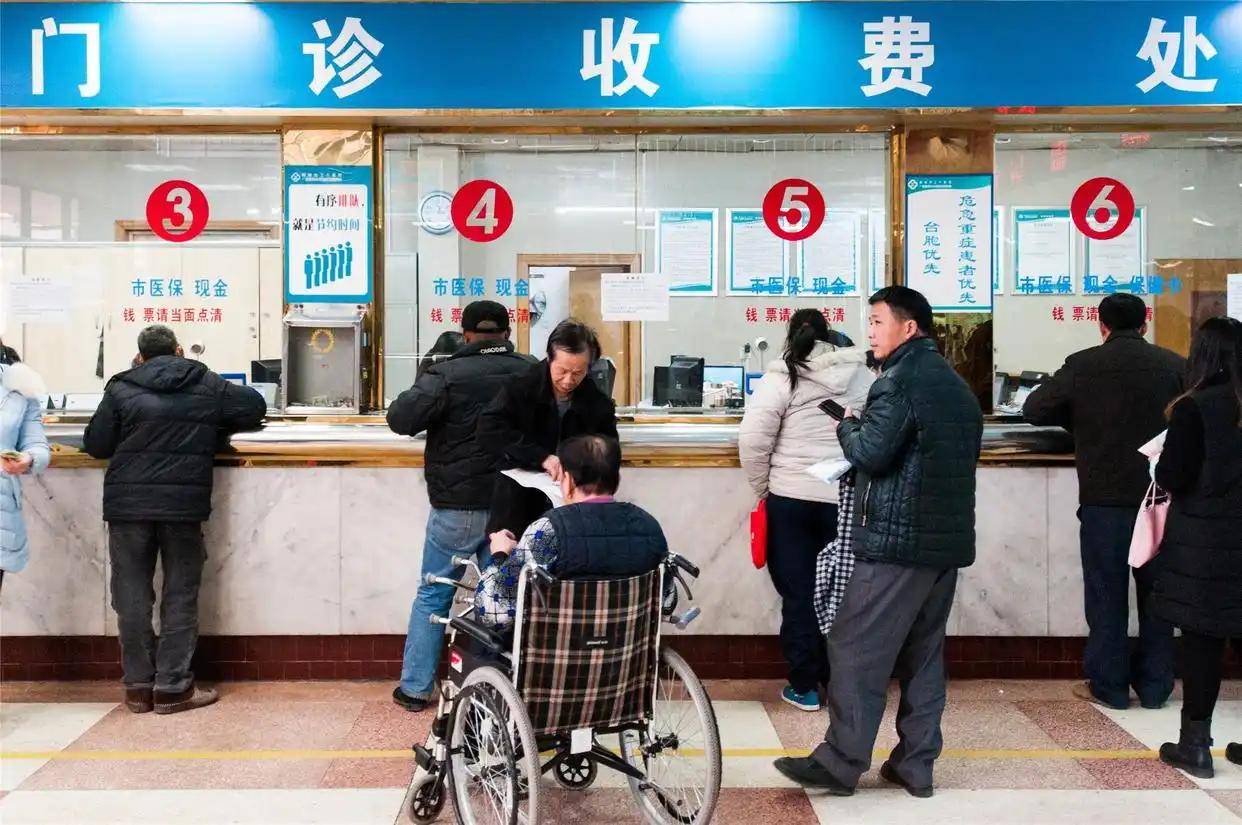
居民医保断缴后有哪些影响?这7个问题一定要了解
蓝色柳林财税室· 2025-11-06 09:05
Group 1 - The article discusses the medical insurance treatment waiting period, which requires insured individuals to bear medical expenses incurred during this period themselves [3] - There is no direct provision for a waiting period in the Social Insurance Law of the People's Republic of China, but most regions have implemented it in practice for those who have interrupted or not participated in the insurance [3] - The average reimbursement for hospitalization is 4,437 yuan, and without a waiting period, individuals might choose to enroll only after falling ill, harming the interests of all insured [3] Group 2 - Starting from 2025, a fixed waiting period of 3 months will be established for those who have not continuously participated in the insurance, with an additional variable waiting period of 1 month for each year of interruption [4] - Insured individuals can reduce the variable waiting period by paying additional fees, with each extra year of payment reducing the waiting period by 1 month [4] - The fixed waiting period cannot be repaired to prevent individuals from enrolling after becoming ill, which would unfairly benefit them at the expense of continuous participants [4] Group 3 - The waiting period policy will not affect individuals who have not participated in insurance before 2025, as the new policy will only take effect for payments made in 2024 and onwards [4]