
医疗级AI

Search documents
OpenAI及谷歌等巨头齐攻AI医疗,健康 160(2656.HK) 与京东健康(6618.HK)等国内龙头如何打造中国方案
Zhong Jin Zai Xian· 2026-01-19 09:16
Core Insights - The global tech giants are intensifying their efforts in the AI healthcare sector, with Chinese companies adopting pragmatic approaches that are becoming essential [1] - The AI healthcare market in China is experiencing rapid growth, driven by an aging population and a structural imbalance in quality medical resources [7] Group 1: Major Players and Their Strategies - OpenAI's ChatGPT Health focuses on consumer engagement, allowing users to upload medical records for personalized health advice, processing over 230 million health interactions weekly [2] - Google has launched the MedGemma 1.5 model, which operates offline and supports 3D scanning and medical text analysis, with a speech-to-text error rate of only 5.2% [2] - Anthropic targets the enterprise market with Claude for Healthcare, emphasizing privacy and compliance, and has partnered with institutions like Boston Children's Hospital [2] Group 2: Chinese Companies' Developments - Health 160 has connected over 44,800 healthcare institutions and developed an AI health management system that covers the entire patient journey, achieving a content click-through rate increase of 90% [3][4] - JD Health aims to evolve AI from a tool to a core engine for personalized health management, launching the "Zhi Yi" AI for evidence-based medicine [5][6] - JD Health's AI initiatives include a comprehensive health service matrix and specialized systems for cancer treatment, showcasing the potential of AI in personalized medicine [6] Group 3: Market Trends and Challenges - The AI medical device market in China is projected to grow from 292 million yuan in 2020 to 24.2 billion yuan by 2025, highlighting the sector's rapid expansion [7] - The competitive focus in AI healthcare is shifting from utility to stable, compliant, and sustainable implementation, with ecological layouts being crucial for achieving these goals [7] - Challenges include data privacy, ethical standards, and the need for improved data quality and interoperability among healthcare systems [8] Group 4: Future Directions - The future of AI healthcare in China will see a complementary relationship between major players' comprehensive strategies and targeted niche developments [9] - As technology matures, AI models are expected to further empower the healthcare industry, shifting the focus from treatment to proactive health management [9]



打造医生“智能外脑”,医疗级AI在多家医院加速应用
Bei Jing Ri Bao Ke Hu Duan· 2026-01-18 09:52
Core Insights - The "ZhiYi" evidence-based medicine AI platform was launched at the JD Health Smart Medical Conference, aimed at enhancing clinical decision support and research for doctors [1][3] - The platform integrates extensive global medical literature and guidelines, providing doctors with a "smart brain" to improve diagnostic efficiency and research quality [3] - AI technologies are being utilized in hospitals to optimize patient examination processes, such as managing conflicting test schedules [3] Group 1 - The "ZhiYi" platform is designed to be fully integrated into the JD Doctor APP and is accessible to all doctors, regardless of their registration status on JD Health [3] - The platform can quickly filter and synthesize vast amounts of information, delivering structured and actionable evidence-based conclusions [3] - AI technologies are being implemented in hospitals to create intelligent service systems that assist in scheduling tests and examinations effectively [3] Group 2 - Specialized AI models for specific diseases are being developed in collaboration between hospitals and tech companies, marking a significant advancement in the healthcare sector [4] - The "Gastrointestinal Tumor Full-Process Medical Assistance System," developed by Peking University Cancer Hospital and JD Health, utilizes AI and large language models for disease identification and personalized treatment plans [4] - Pilot programs for these AI models have been initiated in institutions like Peking University Cancer Hospital, demonstrating effective collaboration between AI and clinical workflows [4]

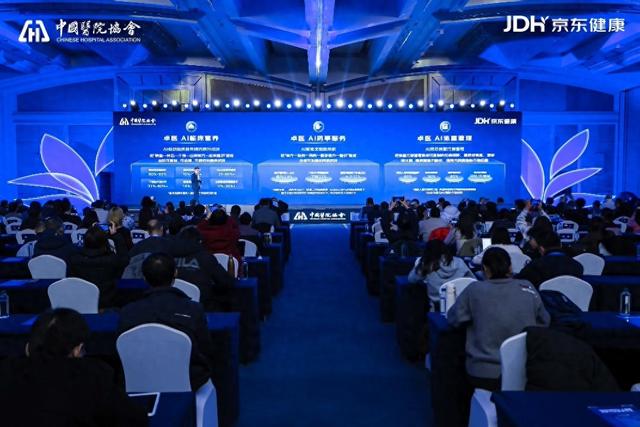
京东健康发布AI产品“知医”
Zhong Zheng Wang· 2026-01-17 09:23
Group 1 - JD Health launched an AI product named "Zhi Yi" designed for doctors, integrating millions of authoritative medical literature and guidelines to support clinical decision-making and research [1] - The "Zhi Yi" product aims to enhance diagnostic efficiency and research quality by providing structured, evidence-based conclusions, and will be available for free to all doctors, regardless of their affiliation with JD Health [1] - JD Health has established a leading AI health service matrix, with the "Jing Yi Qian Xun 2.0" model and over 1500 intelligent doctor agents, marking a significant advancement in AI technology application in healthcare [1] Group 2 - JD Health is focusing on "medical-grade AI" by collaborating with multiple hospitals to develop specialized disease models that provide deep reasoning and real clinical value [2] - The collaboration with Peking University Cancer Hospital has led to the creation of a comprehensive medical assistance system for gastrointestinal tumors, which aids in diagnostic decisions and matches clinical trials for personalized treatment [2] - JD Health's internet medical services have evolved beyond simple online consultations to a comprehensive solution that integrates "AI + physical services," enhancing the application of healthcare services [2]