AI医疗

Search documents
海吉亚医疗20230331
2026-04-01 09:59
Summary of the Conference Call for Haijia Medical Company Overview - **Company**: Haijia Medical - **Industry**: Healthcare Services Key Points Financial Performance - In 2025, operating cash flow is expected to grow by 34.4% year-on-year to RMB 9.5 billion, driven by increased revenue from self-paid services and improved collection efficiency with accounts receivable down by 16.6% [2][3] - Inventory turnover efficiency improved by over 10% [2] - Depreciation and amortization is approximately RMB 310 million, indicating a strong cash return phase [2] - The company has a maximum capacity of 14,000 beds, sufficient to support five years of development with no new hospital construction plans in the short term [2][3] Capital Allocation and Shareholder Returns - The company plans to execute a RMB 300 million share buyback and intends to cancel the repurchased shares [2][9] - There is a focus on reducing interest-bearing debt and exploring quality domestic and international acquisitions [2][3] - Expected normalized free cash flow post the opening of Changshu Hospital in late 2026 is projected to reach RMB 800-900 million [2] Growth Areas - International medical and innovative business segments are emerging growth drivers, with Chongqing Hospital's international department generating over RMB 8 million in revenue in December 2025 [2][4] - The brain-computer interface business is expected to generate annual revenue of approximately RMB 250-260 million, with a dedicated division established in 2026 [2][11] M&A and Goodwill Impairment - The goodwill impairment related to Suzhou Yongding Hospital was due to high initial market valuations and changes in the macro environment, but the hospital's operations are currently stable [7] - Other acquired hospitals show no impairment pressure, indicating strong operational management capabilities [7] Response to Industry Changes - The company emphasizes a "patient-first" culture and has seen patient visits reach 4.6 million in 2025, with a five-year compound growth rate of 35% [5][6] - Continuous investment in talent and technology, with 108 national-level professionals and 907 senior professionals by 2025 [6] - The company is focusing on refined management practices to enhance operational efficiency [6] Market Outlook and Strategy - The company is optimistic about the long-term healthcare demand driven by aging demographics, despite short-term policy uncertainties [5][14] - Plans to leverage the long-term care insurance policy to tap into the growing demand for integrated medical and nursing services [8][16] AI Integration - AI is being integrated into management and service efficiency, with applications in supply chain and administrative management [13] - The company has developed an AI customer service system to enhance patient interaction and satisfaction [13] Future Projections - The company expects to achieve breakeven cash flow for the Texas Hospital by the end of 2026, with Wuxi Hospital anticipated to connect to medical insurance by March-April 2026 [9] - Long-term growth is expected for Chang'an Hospital, with multiple growth points identified in critical care and oncology [17] Valuation Perspective - The company's value is considered significantly undervalued, with approximately RMB 800 million in free cash flow and a focus on long-term cash flow stability [18] Additional Insights - The company maintains a cautious approach to overseas acquisitions, focusing on smaller projects initially while prioritizing domestic growth opportunities [16] - The operational efficiency and strategic management are seen as key competitive advantages in a changing healthcare landscape [16]
讯飞医疗科技(02506):25年收入增速约25%,星火大模型迭代助力GBC全场景协同发展
Xinda Securities· 2026-03-31 14:04
Investment Rating - The investment rating for iFlytek Medical Technology (2506.HK) is not explicitly stated in the provided report, but the overall sentiment appears positive based on the financial projections and growth expectations [1]. Core Insights - The company reported a revenue of approximately 915 million yuan for 2025, reflecting a year-on-year growth of 24.66%. The adjusted net profit was -39 million yuan, with an adjusted net profit margin of -4.3%, which is an improvement of about 1.8 percentage points year-on-year [1]. - The GBC (General Business Collaboration) model is expected to drive growth across various business segments, with significant contributions from grassroots solutions, regional solutions, hospital solutions, and patient management services [4]. - The company has made substantial progress in expanding its services, with the AI assistant covering 806 districts and counties, and the smart family doctor program rapidly expanding nationwide [4]. Financial Summary - For 2025, the company achieved total revenue of 915 million yuan, with projected revenues of 1.198 billion yuan in 2026, 1.479 billion yuan in 2027, and 1.834 billion yuan in 2028, representing growth rates of 31%, 23%, and 24% respectively [6]. - The adjusted net profit is expected to turn positive in 2026, with estimates of 4 million yuan, followed by 64 million yuan in 2027 and 111 million yuan in 2028, indicating significant growth rates of 106%, 1451%, and 74% respectively [7]. - The gross margin for 2025 was reported at 50.45%, with expectations for gradual improvement in subsequent years [6]. Business Segment Performance - Revenue from grassroots solutions was 263 million yuan (up 11% year-on-year), regional solutions generated 206 million yuan (up 34%), hospital solutions brought in 173 million yuan (up 31%), and patient management services accounted for 273 million yuan (up 29%) [4]. - The company’s comprehensive gross margin decreased by approximately 4.55 percentage points, primarily due to increased delivery costs and purchased products, but specific segments like hospital solutions and patient management services showed improvements in gross margins [4]. Future Projections - The company anticipates a gradual increase in gross margins, driven by the rollout of AI pilot projects and rapid growth in consumer-facing business [4]. - The financial outlook suggests a recovery in profitability, with a projected return on equity (ROE) of 0.46% in 2026, increasing to 10.30% by 2028 [6].
海吉亚医疗(06078):减值拖累利润,静待26年复苏
EBSCN· 2026-03-31 05:54
Investment Rating - The report maintains a "Buy" rating for the company, indicating a strong outlook for investment returns over the next 6-12 months [6]. Core Insights - The company reported a revenue of RMB 4.009 billion for the year ending December 31, 2025, representing a year-on-year decline of 9.8%. Net profit fell significantly by 73.0% to RMB 162 million, primarily due to a RMB 283 million impairment on goodwill related to Etern Group Ltd. Despite the profit pressure, operating cash flow reached a record high of RMB 950 million, up 34.4% year-on-year [1][2]. - The core business is stabilizing, with a focus on oncology services. The company completed over 102,000 surgeries, with a higher proportion of advanced surgeries. Additionally, the international medical business has made significant progress, providing services to patients from Southeast Asia and expanding into various healthcare fields [3]. - The company is expanding its hospital network, managing 17 hospitals focused on oncology, and is exploring AI applications in healthcare to enhance operational efficiency and patient satisfaction [4]. Financial Summary - Revenue and profit forecasts have been adjusted downward for 2026 and 2027 due to external factors and policy impacts. The revised net profit estimates are RMB 508 million for 2026 and RMB 578 million for 2027, with a new estimate of RMB 650 million for 2028. The corresponding price-to-earnings ratios are projected at 12, 11, and 10 times for the respective years [4][5].
多家红杉中国医疗被投企业在中关村论坛展示重磅新品|HealthcareView
红杉汇· 2026-03-31 00:03
Key Points - The article highlights the latest developments of Sequoia Medical member companies showcased at the 2026 Zhongguancun Forum, emphasizing their innovative products and collaborations [3] Group 1: Innovations in Medical Technology - Zhiran Medical launched a groundbreaking 100-channel invasive brain-machine interface system, recognized for its technological advancements, marking a significant step in the high-bandwidth human-machine interaction field [5] - Aikang Medical presented its "Neuro Intervention Family Package," which includes solutions for hemorrhagic and ischemic strokes, showcasing its evolution from a tech newcomer to an industry leader [7] - Qianglian Zhichuang introduced the DEEP AI for NEURO series, an AI catheter shaping robot, representing a significant innovation in the intelligent diagnosis and treatment of neurovascular diseases [10] Group 2: Strategic Collaborations and Approvals - Incyte announced a global research collaboration with Eli Lilly, with a total transaction value potentially reaching $27.5 billion, focusing on the discovery and development of new therapies [6][15] - Borui Kang's invasive brain-machine interface product received regulatory approval, facilitating its transition from approval to clinical application, addressing the needs of patients with spinal cord injuries [16][18] - Blood Xiji Bio's innovative platelet-reducing drug received two IND approvals within ten days, highlighting its potential in treating various causes of thrombocytopenia [23][24] Group 3: Expanding Product Offerings - Jingfeng Medical's single-port laparoscopic surgical robot received approval for expanded use across four major surgical fields, enhancing its competitive edge in the surgical robotics market [25] - Weike Medical's transcatheter aortic valve replacement system was selected for the NMPA's priority review list, indicating its significant clinical application value and potential for expedited approval [28] - Orka launched the world's first ANC hearing aid in collaboration with Bose, integrating advanced noise-cancellation technology to improve user experience [19][21] Group 4: Industry Growth and Investment - Sequoia China has invested in over 250 high-growth medical health companies, covering various sectors including innovative drugs, medical devices, and digital healthcare, with more than 50 companies successfully completing IPOs [30]


盈康生命(300143) - 300143盈康生命投资者关系管理信息20260330
2026-03-30 13:04
Financial Performance - In 2025, the company achieved operating revenue of CNY 1.886 billion, a year-on-year increase of 20.93% [3] - The net profit attributable to shareholders was CNY 68.54 million, a decrease of 40.62%, primarily due to adjustments related to the acquisition of Saint Nor [3] - Excluding non-recurring items, the net profit attributable to shareholders increased by 28.50% to CNY 107 million [3] - The net cash flow from operating activities was CNY 341 million, up 31.47% year-on-year [3] Medical Services - The medical services segment generated revenue of CNY 1.501 billion, with a patient volume of 604,100, reflecting an 11% year-on-year growth [4] - Surgical volume increased by 71%, with advanced surgeries (level 3 and 4) accounting for 78% of total surgeries, up 7 percentage points [4] - The company completed a strategic acquisition of Changsha Kexin Tumor Hospital, contributing CNY 622 million to tumor business revenue, which represented 41.5% of medical service income [3][4] Technological Innovation - The company has integrated AI capabilities into key diagnostic and treatment processes, reducing preoperative planning time by approximately 80% and decreasing postoperative hospital stays by 1.5 days [7] - AI-enabled services have achieved a patient Net Promoter Score (NPS) of 93%, surpassing the industry average of 90% [7] Medical Devices - The medical device segment reported revenue of CNY 380 million, a year-on-year increase of 14.30% [9] - The acquisition of Saint Nor and Uni Medical exceeded performance targets, with Saint Nor achieving a net profit of CNY 87.40 million, a completion rate of 127.47% for performance commitments [10] - The overseas revenue for medical devices reached CNY 104 million, up 20.24% year-on-year [10] Strategic Development - The company plans to continue expanding its regional medical center layout and pursue "ecological mergers" to enhance synergy [20] - Focus areas for future acquisitions include imaging enhancement, tumor treatment, life support, and blood circulation [20] - The company is also developing a comprehensive health management platform for cancer patients, which is currently in the testing phase [12]

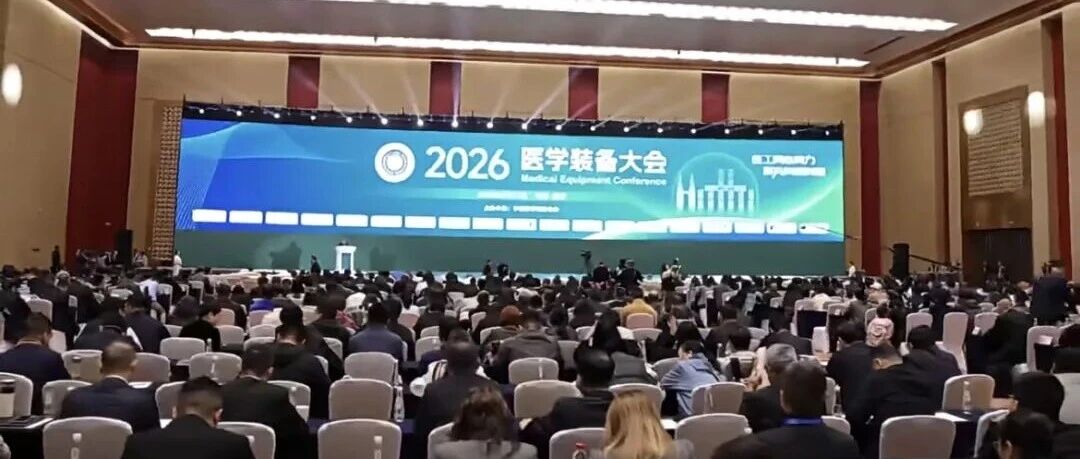
展台直击!17家械企亮点速览 | 2026医学装备大会
思宇MedTech· 2026-03-30 11:08
Core Insights - The 2026 China Medical Equipment Conference and Exhibition successfully showcased innovations and advancements in the medical equipment sector, emphasizing collaboration and new directions in healthcare technology [1][61]. Group 1: Medtronic - Medtronic participated with the theme "Co-creating the Future of Medical Technology," displaying over a hundred products and solutions across cardiovascular, neuroscience, and surgical fields [3]. - The focus was on technologies related to stroke prevention and treatment, including products like the SpiderFX embolic protection device and the Pipeline™ flow-diverting stent, addressing various stages from risk prevention to disease intervention [6]. Group 2: Intuitive Surgical - Intuitive Surgical highlighted its 20 years of Da Vinci surgical robot presence in China, showcasing the Da Vinci Xi surgical system and Ion bronchial robot for lung cancer diagnosis [8]. - The company aims to enhance the ecosystem around surgical robotics, demonstrating a commitment to local development and application in various surgical fields [8]. Group 3: Precision Medicine - Precision Medicine introduced its "three-in-one" surgical robot platform, the first globally to integrate multi-port, single-port, and remote surgery capabilities [9][11]. - This platform aims to adapt to various surgical scenarios, enhancing the versatility of robotic surgery [13]. Group 4: MicroPort - MicroPort showcased its robotic products across multiple disciplines, including the Tumi™ laparoscopic surgical robot, emphasizing its application in complex and remote surgeries [14][16]. - The company has successfully completed remote surgeries over distances of 5,000 and 10,000 kilometers, demonstrating the feasibility of remote surgical collaboration [16]. Group 5: United Imaging - United Imaging presented high-end medical equipment and digital innovations, launching five core projects under the "2025 High-end Medical Equipment Promotion Application Project" [17]. - The showcased products included photon-counting CT and intelligent stereotactic radiotherapy systems, focusing on clinical application and industrialization [18]. Group 6: Mindray - Mindray exhibited its smart medical ecosystem, featuring the Qiyuan AI model and multi-scenario solutions across critical care, perioperative, ultrasound, and laboratory management [21][23]. - The company emphasized the integration of devices, IT, and AI to enhance medical efficiency and quality [23]. Group 7: KAILI Medical - KAILI Medical focused on ultrasound imaging, endoscopic diagnosis, cardiovascular intervention, and minimally invasive surgery, showcasing advanced products like the X11 portable ultrasound [24][26]. - The company engaged in academic exchanges to promote clinical applications and technological advancements [26]. Group 8: Rosenbot - Rosenbot highlighted its orthopedic surgical robots, providing comprehensive solutions for complex fracture treatments [27]. Group 9: SIZH Medical - SIZH Medical presented its Kando robot for thoracic and abdominal endoscopic surgery, demonstrating navigation and path planning capabilities for orthopedic applications [28][29]. Group 10: True Health - True Health introduced its percutaneous puncture navigation system, a pioneering NMPA-approved Class III innovative medical device [34][36]. Group 11: Noah Medical - Noah Medical showcased its Pulibai Chuan bronchial robot, designed for lung nodule and early lung cancer diagnosis, emphasizing navigation and imaging fusion capabilities [37][39]. Group 12: Sinoway - Sinoway focused on the localization of CT core components and specialized imaging devices, showcasing advancements in 512-slice CT and orthopedic CT [41]. - The company aims to enhance imaging technology applications in specific clinical scenarios [41]. Group 13: KOSMIND - KOSMIND presented the V1000 series magnifying endoscope system, focusing on multi-spectral imaging for early cancer diagnosis [43][45]. Group 14: Huaborn Neutron - Huaborn Neutron introduced its accelerator-based boron neutron capture therapy (BNCT) solution, marking a transition from research to clinical validation [47][49]. Group 15: Siemens Healthineers - Siemens Healthineers showcased innovations in high-end imaging and radiation therapy, emphasizing green technology and accessibility in healthcare [50][52]. - The company organized training on photon-counting CT applications, promoting the upgrade of imaging devices to clinical decision support platforms [54]. Group 16: GE Healthcare - GE Healthcare displayed over 40 products, with a focus on AI applications in imaging, enhancing service levels in grassroots healthcare [55][57]. - The company engaged in collaborations to support medical equipment management and talent development in the healthcare sector [57]. Group 17: Wandong Medical - Wandong Medical launched its "Smart Start" initiative, showcasing innovations in imaging diagnostics and intelligent applications [58][60]. - The company presented a range of imaging products, including a 4K ultra-high pixel DSA system and a quantum series mammography machine [60].
任泽平年度预测:2026十大趋势
泽平宏观· 2026-03-27 11:18
Group 1 - The core viewpoint of the article is that AI will significantly change the world, marking the beginning of a new Kondratiev wave driven by innovation and technology [10][29][58] - The first major trend identified is the global monetary easing cycle, which is expected to exceed expectations, leading to an AI explosion and a bull market in commodities and stock markets [10][12][19] - The article predicts that by 2026, the US Federal Reserve will implement a "rate cut + weak dollar" strategy to alleviate debt burdens and attract manufacturing back to the US, prompting other countries to follow suit [12][15][17] Group 2 - The second major trend is the dawn of a new Kondratiev wave, which will bring about a decade of upward innovation, presenting significant opportunities for individuals [29][34][36] - The article emphasizes that economic cycles are driven by innovation, with the current Kondratiev wave being led by AI, which is expected to create new wealth opportunities and companies by 2026 [34][36][38] - It discusses the cyclical nature of economies, highlighting the importance of recognizing and adapting to these cycles for financial success [32][36][38] Group 3 - The third major trend is that AI is not just a trend but a "tsunami," indicating a profound and rapid transformation across various sectors [58][60] - The article highlights the advancements in AI showcased at events like CES, where AI technologies, including robotics and autonomous driving, are rapidly evolving and gaining public attention [61][63] - It predicts that AI will fundamentally alter industries, leading to the replacement of many jobs and the emergence of new business models, such as "one-person companies" utilizing AI agents for various tasks [70][72][73] Group 4 - The article addresses the challenges posed by population aging, declining birth rates, and the rising costs of education and child-rearing, exacerbated by AI-induced job displacement [87][89] - It reflects on the historical development of AI, noting its ups and downs, and emphasizes the breakthroughs that have led to its current capabilities [90][94][96] - The narrative includes the story of Geoffrey Hinton, a key figure in AI development, and his concerns about the implications of AI advancements for humanity [117][120][122]





巨头盯着的这块市场,被一个医生做到年入1亿美元
虎嗅APP· 2026-03-26 09:44
Core Insights - The article discusses the success of Abridge, an AI company in the healthcare sector, which has transitioned from concept validation to generating over $100 million in annual revenue with a valuation that nearly doubled from late 2024 to mid-2025 [6][7]. Group 1: Abridge's Business Model and Growth - Abridge has integrated its AI technology into over 150 healthcare institutions, focusing on automating the documentation process for doctors, thereby saving them significant time [6][12]. - The company has established a strong market presence with a valuation of $5.3 billion after raising $300 million in its E round of funding, reflecting a rapid growth trajectory since its inception in 2018 [16][17]. - Abridge's annual recurring revenue (ARR) is projected to reach approximately $117 million in the first quarter of 2025, indicating a substantial increase from $60 million at the end of 2024 [17]. Group 2: Industry Context and Competitive Landscape - The healthcare administrative burden in the U.S. is substantial, with annual spending reaching between $600 billion and $1 trillion, which Abridge aims to alleviate through its AI solutions [16]. - Abridge faces competition from established players like Microsoft's Nuance, which has a significant market share in voice recognition for healthcare, but Abridge differentiates itself by offering a more integrated and cost-effective solution [20][21]. - The article highlights the importance of vertical integration in the AI healthcare space, emphasizing that companies like Abridge that deeply embed their solutions into specific workflows are more valuable than those providing generic AI tools [19][22]. Group 3: Technological Advancements and Product Features - Abridge's technology is designed to understand medical conversations and generate structured notes in the SOAP format, which is crucial for compliance and efficiency in healthcare documentation [12][14]. - The system has been trained to recognize and link AI-generated content to original audio recordings, addressing concerns about the accuracy of AI outputs in medical settings [12][14]. - Abridge's product evolution has included partnerships with major electronic health record (EHR) systems, enhancing its integration capabilities and expanding its market reach [14][15].

AI医疗行业3月月报:药物研发迈入临床验证关键期辅助治疗实现关键跨越-20260326
AVIC Securities· 2026-03-26 02:10
Investment Rating - The industry investment rating is "Overweight" [1] Core Insights - The report highlights a significant transformation in AI+Healthcare from technological exploration to commercial realization, with key breakthroughs across multiple tracks and active capital and industrial layouts. AI drug development is entering a critical phase of clinical translation, forming a complete chain of technology, computing power, and clinical conversion [2] - In the overseas market, Isomorphic Labs launched the AlphaFold level 4 IsoDDE engine, and Eli Lilly introduced its self-developed AI supercomputing factory LillyPod. The world's first fully AI-designed antibody drug GB-0895 has entered phase III clinical trials, driving down costs and improving efficiency in drug development [2] - In the domestic market, AI-assisted diagnosis and clinical surgery are key focuses, with advancements in explainable AI models and the approval of surgical robots, indicating a shift from "assisted diagnosis" to "assisted treatment" [3] - The report emphasizes that AI is evolving from a "technical assistant" role to a core driver of "value reconstruction" and "efficiency revolution" in the healthcare industry, with its commercial value permeating from the research end to clinical, payment, and patient ends [4] Summary by Sections Overseas Developments - AI drug development is making strides with clinical validation, and companies are actively pursuing innovations and regulatory compliance. The industry is transitioning from hardware dominance to AI and data integration, with significant clinical applications emerging [2] Domestic Developments - AI-assisted diagnosis is evolving towards explainability and practicality, with notable advancements in AI clinical surgery. New regulations and funding initiatives are supporting the growth of AI in healthcare [3] Investment Opportunities - The report suggests focusing on companies in various sectors, including AI pharmaceuticals, medical imaging, healthcare information technology, internet healthcare platforms, and precision medicine [6]
——医药行业周报(26/3/16-26/3/20):眼底病口服给药前景可期,重点关注海西新药-20260322
Hua Yuan Zheng Quan· 2026-03-22 14:56
Investment Rating - The investment rating for the pharmaceutical industry is "Positive" (maintained) [4] Core Insights - The oral administration of drugs for retinal diseases shows promising prospects, particularly with a focus on HaiXi New Drug's developments [3][4] - The pharmaceutical market has seen a decline of 2.77% from March 16 to March 20, with innovative drugs showing signs of recovery, suggesting a potential valuation correction [5][27] - The global number of patients with eye diseases has increased from 1.7 billion in 2018 to 2.3 billion in 2023, with projections to reach 2.8 billion by 2032, indicating a growing market [8][20] - The market for wet age-related macular degeneration (wAMD) drugs is expected to grow from $5.8 billion in 2023 to $10.6 billion by 2032, reflecting a compound annual growth rate (CAGR) of 6.9% [11][20] - HaiXi New Drug's HXP056 aims to address the unmet needs in retinal disease treatment through oral administration, with clinical trials expected to start in June 2025 [20][24] Summary by Sections 1. Retinal Disease Oral Administration Prospects - The market for retinal diseases is expanding, with existing therapies showing low adherence due to the inconvenience of intravitreal injections [8][15] - The number of patients in China with eye diseases is projected to rise from 308.8 million in 2018 to 380.3 million by 2024, with a slower growth rate thereafter [8] - HXP056 is positioned to be the first oral treatment for wAMD, DME, and RVO, overcoming significant technical challenges [20][24] 2. Industry Perspective - The pharmaceutical index has experienced a decline of 2.77% recently, with a total decline of 2.90% year-to-date [27][36] - The report emphasizes a dual investment framework focusing on "technology innovation" and "performance/valuation recovery" for the year [46][47] - The report suggests that the Chinese pharmaceutical industry has completed a transition from old to new growth drivers, with significant advancements in innovation and international market presence [46][47]