
医疗资源优化

Search documents
健康青海工程
Xin Lang Cai Jing· 2026-01-25 20:19
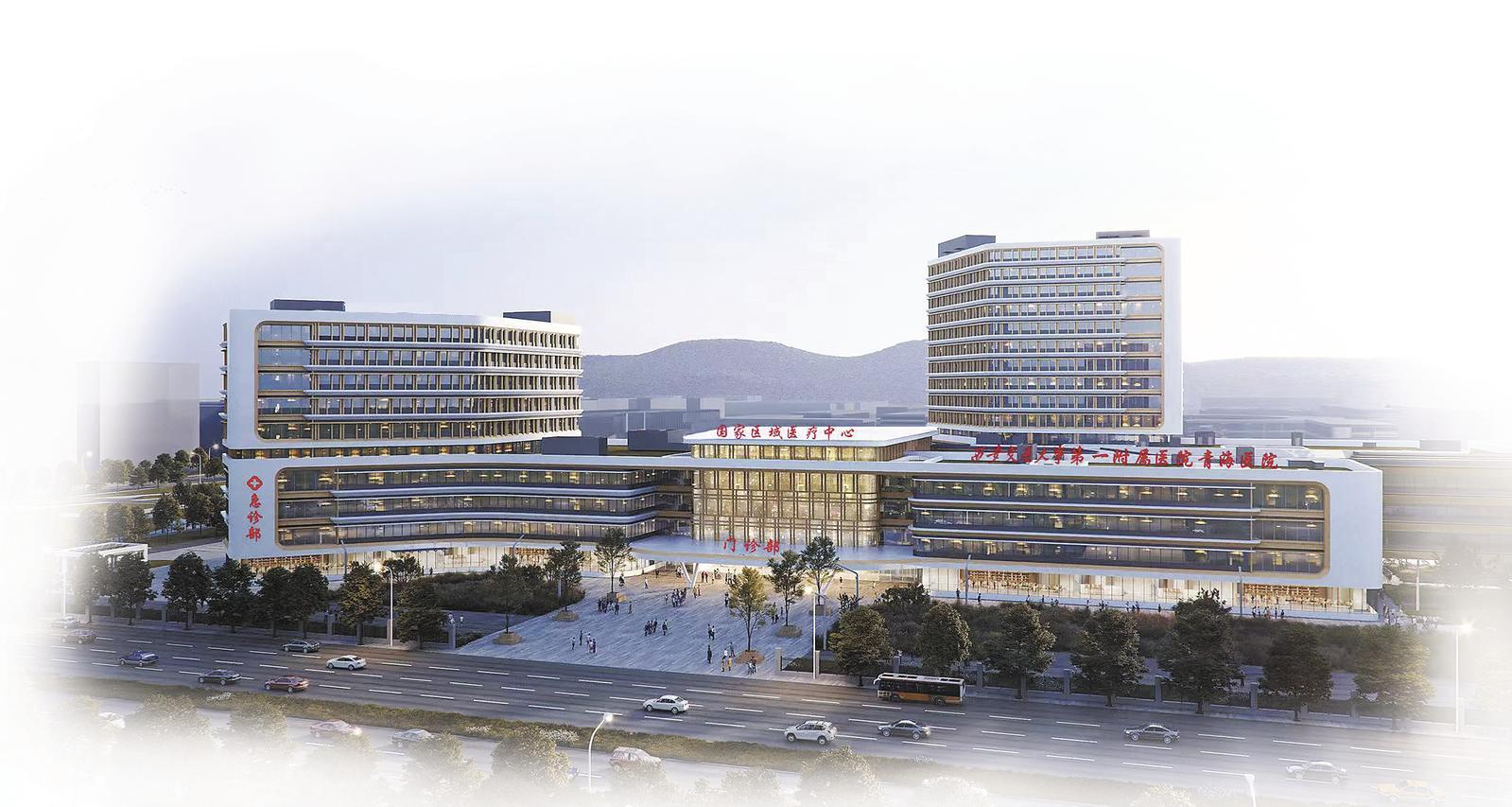
Core Viewpoint - The article highlights the advancements in healthcare infrastructure and services in Qinghai Province, focusing on the establishment of regional medical centers and improvements in medical insurance funding [2][3]. Group 1: Goals - The aim is to establish a long-term mechanism for medical insurance coverage, optimize the funding structure for urban and rural residents' medical insurance, and increase the fiscal subsidy standard [2]. - The plan includes the construction of national regional medical centers and provincial-level regional medical centers in specific areas [2]. Group 2: Progress - The fiscal subsidy standard for urban and rural residents' medical insurance has been increased by 20 yuan, reaching 700 yuan, with a per capita funding standard of 1,100 yuan, aligning with national standards [3]. - The national regional medical center has officially commenced operations, with provincial-level centers in Haidong City, Hainan Prefecture, and Yushu Prefecture completed and operational [3]. - A pilot program for "no companion" wards has been initiated in 10 medical institutions, covering 57 high-demand nursing areas, with plans to expand to 16 institutions and 221 wards [3]. - All 59 second and third-level public general hospitals, 14 public traditional Chinese medicine hospitals, and 52 maternal and child health institutions at the county level and above now provide pediatric services [3]. - The number of mutual recognition projects for inspection results between medical institutions has increased from 54 to 243, with 27 institutions included in the "8 provincial regional inspection result mutual recognition units," an increase of 13 from 2024 [3]. Group 3: Reactions - The presence of nationally recognized medical experts, such as Professor Li Weixin from Xi'an Jiaotong University First Affiliated Hospital, has attracted many patients, demonstrating the effectiveness of local healthcare services [4]. - The establishment of the first national regional medical center in Qinghai Province aims to alleviate the burden of seeking medical care from distant locations and ensure that local populations have access to high-quality medical services [4].

北京医改“组合拳”:薪酬向紧缺学科倾斜 资源布局“疏解补缺”
Zhong Guo Jing Ying Bao· 2025-07-28 22:14
Core Viewpoint - Beijing's healthcare reform, inspired by the Sanming model, has shown significant results, including a 12.8 percentage point increase in medical service revenue share and the adjustment of over 8,800 medical service prices [1][2]. Group 1: Efficient Coordination - The establishment of a strong leadership system for the coordinated development of healthcare, medical insurance, and pharmaceuticals ("three medicines") is a core experience from the Sanming reform [2]. - A unified management structure led by a senior city official ensures policy coordination, information sharing, and regulatory collaboration across all 16 districts in Beijing [2]. - A dynamic adjustment mechanism for medical service prices has been implemented, with nearly 400 items adjusted regularly and 134 new items added, leading to a significant increase in medical service revenue [2]. Group 2: Incentivizing Healthcare Personnel - Salary reform is a key aspect of the healthcare reform, aimed at motivating healthcare workers while maintaining the public nature of public hospitals [3]. - A performance-based salary management mechanism has been established, particularly supporting underdeveloped specialties like pediatrics, ensuring their salaries are at least 1.2 times the average salary of the institution [3]. - The focus on optimizing salary structures has resulted in fixed salaries constituting over 50% of total compensation for healthcare workers, providing them with stable income and enabling better patient service [3]. Group 3: Balanced Resource Allocation - Beijing is promoting balanced healthcare resource allocation through three main strategies: "decongestion, filling gaps, and medical alliances" [4]. - The city has successfully decongested over 2,700 hospital beds from central urban areas, with the number of hospital beds per thousand people in new urban areas increasing by approximately 14% since 2020 [4]. - Projects aimed at enhancing pediatric, mental health, traditional Chinese medicine, and infectious disease resources are underway to better match healthcare supply with public health needs [4].