协同降碳

Search documents
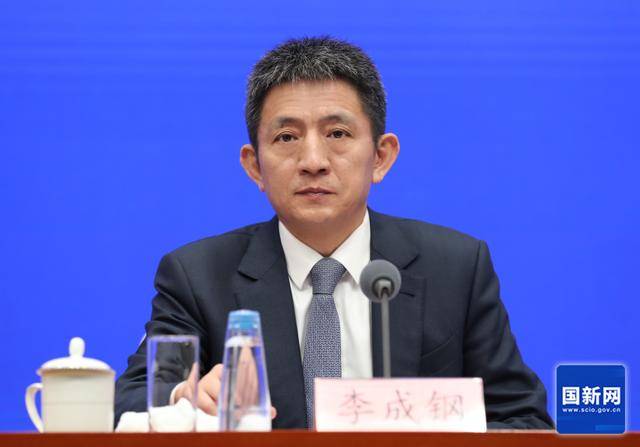
李成钢分享一组数据
Sou Hu Cai Jing· 2025-10-31 05:46
Core Insights - China's wind power, photovoltaic, and new energy vehicle products have been exported to over 200 countries, significantly reducing global wind and solar power generation costs by more than 60% and 80% respectively [1][4] - The Chinese government is committed to expanding green trade as part of its responsibility in global climate change efforts, as highlighted by recent initiatives [3][8] Industry Performance - In the first three quarters of this year, the export growth rate of wind turbine units and components exceeded 30%, while photovoltaic products have maintained an export value of over 200 billion yuan for four consecutive years [4] - Electric vehicle exports surpassed 2 million units last year for the first time, with strong growth also seen in the export of electric locomotives, electric motorcycles, and bicycles [4] Policy Initiatives - The Ministry of Commerce has issued the first special policy document on expanding green trade, which includes measures covering the entire process and various aspects of the foreign trade supply chain [4][5] - The policy encourages the development of new products using recycled resources and biodegradable materials, and aims to reduce resource waste and environmental pollution from trade [5] International Cooperation - The implementation plan emphasizes the need for fair and inclusive international rules and standards to facilitate the smooth flow of green products and services [7] - China aims to participate in global discussions on carbon-related trade rules and enhance cooperation on green low-carbon development topics [7][8] Future Outlook - The Chinese government plans to establish a standard system for green low-carbon products, technologies, and services that aligns with international standards, thereby reducing trade costs associated with standard discrepancies [7] - The goal is to enrich the global supply of green low-carbon products and services, contributing positively to global climate governance [8]