单边气候贸易措施

Search documents
刘振民:望美国重返《巴黎协定》,须关注单边措施对能源转型危害
Xin Lang Cai Jing· 2025-12-15 03:19
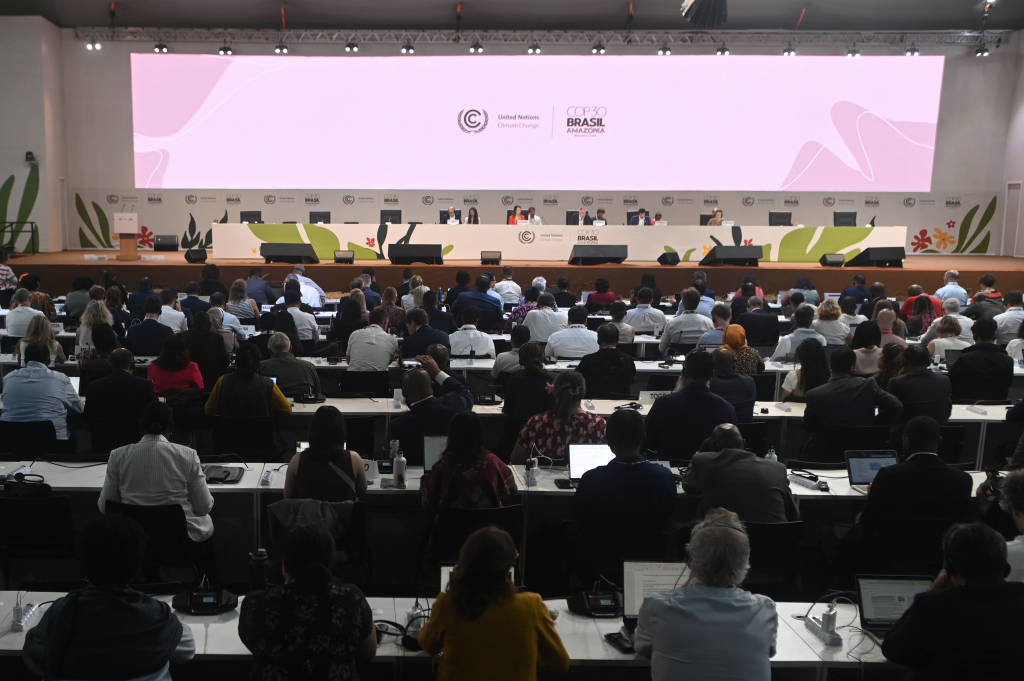
Core Insights - The 30th United Nations Climate Change Conference (COP30) concluded in Belém, Brazil, marking the 10th anniversary of the Paris Agreement and held in a critical climate crisis area, under significant political pressure and global expectations [1][21][22] - The absence of the U.S. federal government at COP30, following its second withdrawal from the Paris Agreement, has raised concerns about the future of global climate governance and has become a major topic of discussion [2][22] Group 1: U.S. Absence and Its Implications - The U.S. absence is seen as a structural variable affecting negotiations, particularly in funding commitments and political coordination among developed countries [2][22][27] - The lack of U.S. representation has made it difficult for developed nations to coordinate climate funding for developing countries, leading to challenges in achieving financial commitments [27] - Despite the absence of the federal government, many state governments, businesses, and academic representatives from the U.S. attended, indicating a division in U.S. domestic opinion on climate change [28][29] Group 2: Energy Transition and Fossil Fuel Debate - The conference focused on advancing the COP28 UAE consensus, with China advocating for the continuation of this framework rather than introducing new fossil fuel exit roadmaps [32][34] - China has set ambitious targets for reducing greenhouse gas emissions, aiming for a 7%-10% reduction from peak levels by 2035, alongside a significant increase in non-fossil energy consumption [11][35] - The transition from fossil fuels to renewable energy is recognized as a complex challenge, requiring significant technological and infrastructural adjustments [36] Group 3: Trade Tensions and Funding Challenges - Trade issues were a significant focus at COP30, with many developing countries uniting against unilateral measures proposed by developed nations, particularly the EU's Carbon Border Adjustment Mechanism (CBAM) [37][38] - Funding remains a critical challenge, with developing countries urgently needing financial support to address climate change, as mandated by the Paris Agreement [40] - The COP30 outcomes included a commitment to double adaptation funding by 2025 and at least triple it by 2035, emphasizing the need for developed countries to fulfill their financial obligations [41][42]

专访|刘振民:望美国重返《巴黎协定》,须关注单边措施对能源转型危害
Sou Hu Cai Jing· 2025-11-24 01:39
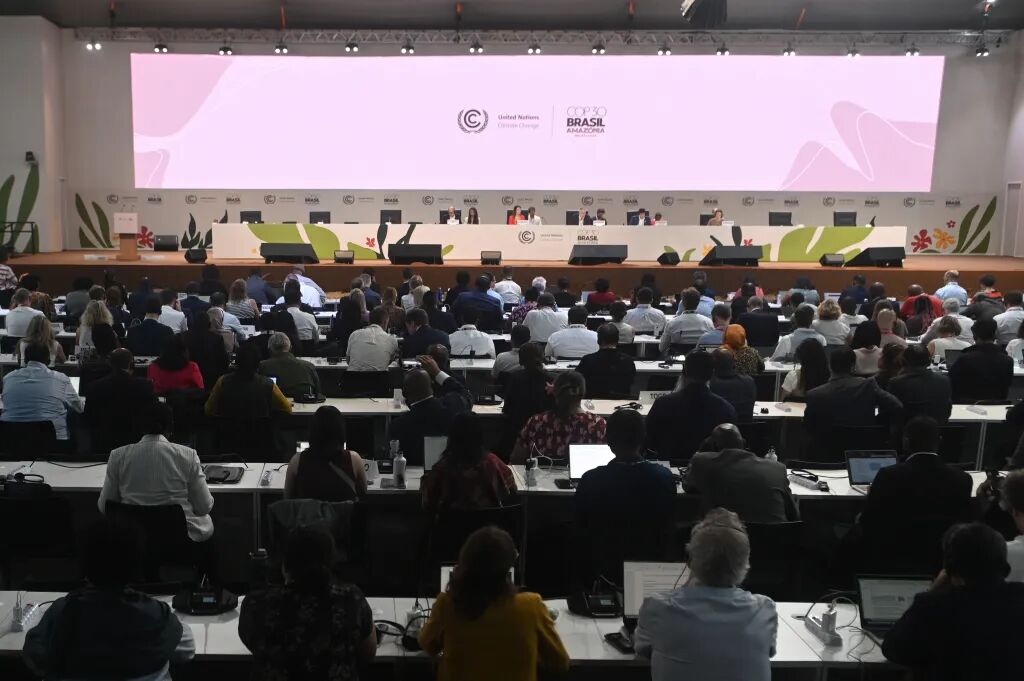
Core Viewpoint - The 30th United Nations Climate Change Conference (COP30) concluded in Belem, Brazil, amidst significant political pressure and global expectations, focusing on key issues such as funding, energy transition, trade, and international cooperation [1][3]. Group 1: U.S. Absence and Its Impact - The absence of the U.S. federal government at COP30 marked a historic moment, raising concerns about the future of global climate governance [3][6]. - The lack of U.S. representation has created challenges in funding negotiations and political coordination among developed countries, particularly affecting financial commitments to developing nations [7][20]. - Despite the absence of federal representatives, many local government and business leaders from the U.S. attended, indicating a division in U.S. domestic opinion on climate change [8][9]. Group 2: Energy Transition and NDCs - The conference emphasized the importance of energy transition, with over 120 countries submitting new Nationally Determined Contributions (NDCs) ahead of the 2035 deadline [12][15]. - China advocates for maintaining the UAE consensus on energy transition, opposing new, separate roadmaps that do not consider renewable energy development [13][14]. - China's ambitious targets include a reduction of greenhouse gas emissions by 7%-10% from peak levels by 2035 and increasing non-fossil energy consumption to over 30% [15][16]. Group 3: Trade Issues and Funding Challenges - Development countries united in opposition to unilateral trade measures proposed by developed nations, particularly the EU's Carbon Border Adjustment Mechanism (CBAM) [17][18]. - Funding remains a critical issue, with developing countries urgently needing financial support to address climate change, as mandated by the Paris Agreement [20]. - The COP30 outcomes included a commitment to double adaptation funding by 2025 and at least triple it by 2035, urging developed nations to fulfill their financial obligations [20][21].