
印度种姓制度

Search documents
印度奇葩乳房税:胸部越大,税率越高,交了税才能穿衣服
Sou Hu Cai Jing· 2026-01-02 05:22
Group 1 - India is known for its bizarre practices, which have become commonplace [1] - In 2016, Kerala introduced a controversial tax called the "fat tax," targeting overweight individuals, with an estimated 3,600 police officers dying from obesity-related issues annually [3] - The fat tax is linked to India's unique dietary culture and the historical military caste system, which benefits a hereditary class of officers with high salaries and extensive benefits [5][6] Group 2 - The "breast tax," introduced in the 19th century in the princely state of Travancore, aimed to raise funds for British colonial taxes and disproportionately affected lower-caste individuals [10][12] - The breast tax was a form of oppression against lower-caste women, stripping them of basic rights, including clothing, and reinforcing the caste system [16][20] - The tax led to significant suffering among lower-caste women, who were often forced to expose themselves as a sign of respect to higher castes [22] Group 3 - The breast tax sparked resistance, notably from a lower-caste woman named Mulakkaram, who bravely wore clothing to assert her rights, inspiring others to do the same [23][25] - Mulakkaram's ultimate sacrifice, cutting off her breasts in protest, catalyzed a large-scale movement against the tax, leading to its eventual abolition [27][29] - The site of Mulakkaram's protest is now commemorated as a sacred place, symbolizing the fight against injustice [31]

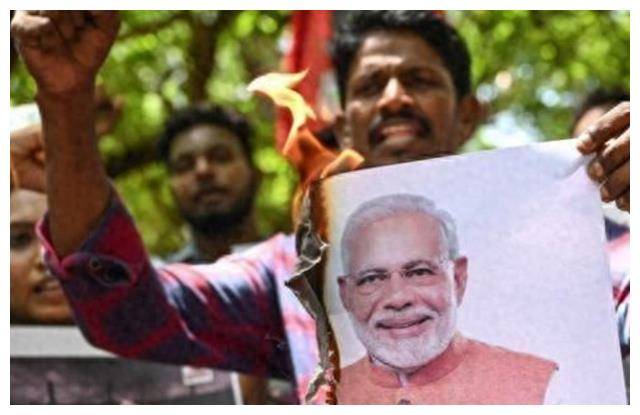
县城“婆罗门”是如何固化了阶级的?县城精英还能持续多久?
Hu Xiu· 2025-10-07 03:35
Core Concept - The term "county Brahmin" refers to individuals in Chinese counties who establish resource monopolies through administrative power, commercial capital, and social networks, similar to the Brahmin caste in India that holds religious and knowledge authority [1] Group 1 - The concept of Brahmin originates from India's caste system, where Brahmins hold a privileged position as priests [1] - In Chinese counties, "county Brahmins" represent a system of hidden resource monopolies created by leveraging power and connections [1] - The comparison between Indian Brahmins and county Brahmins highlights the commonality of resource control and privilege in both contexts [1]
“你说的是哪个印度?”
Hu Xiu· 2025-08-18 06:15
Core Insights - The perception of India among Chinese people is often limited and can be misleading, akin to the saying "blind men touching an elephant" [1][2] - India is characterized by its diversity and complexity, which can be attributed to various factors including caste system, religion, regional differences, and urban-rural divides [15][16][28] Group 1: Caste System - The caste system in India is highly complex, with over 10,000 castes, leading to a unique social structure that divides society into many small groups [17][19] - The caste system influences social interactions and occupational roles, making it difficult for individuals from different castes to interact freely [20] Group 2: Religion - India is home to a multitude of religions, with Hinduism being the predominant faith, which significantly shapes cultural practices and social behaviors [21][22] - Religious diversity contributes to the country's multifaceted identity, with various customs and ideologies stemming from different faiths [22] Group 3: Regional Differences - India is not a federal state, but a unitary republic with significant regional disparities, leading to varied social and economic conditions across different states [24][25] - Cities like Bangalore are emerging as tech hubs, showcasing rapid development and competitiveness in high-tech industries, contrasting with the slower growth in other regions [26] Group 4: Urban-Rural Divide - The rural areas of India often exhibit better living conditions compared to urban centers, which is contrary to trends observed in many other developing countries [27][28] - The urban-rural divide does not pose as significant a challenge in India as it does in other nations, highlighting the unique socio-economic landscape of the country [28]

【环时深度】恢复种姓普查,印度要揭“最隐秘伤疤”?
Huan Qiu Shi Bao· 2025-07-23 22:49
Core Viewpoint - India will conduct its first caste census in nearly a century as part of the upcoming national population census, aiming to understand the distribution and socio-economic conditions of various castes, despite concerns that it may exacerbate social divisions [1][2][6]. Group 1: Caste Census Announcement - The Indian government announced that the new round of the national population and caste census will be completed by March 2027, with certain regions starting as early as October 2026 [2][6]. - The last successful caste census was conducted in 1931 during British rule, and the current census aims to gather data on caste distribution and the socio-economic status of different groups [1][4]. Group 2: Political Implications - Prime Minister Modi's shift in stance on the caste census reflects a significant political maneuver, as he previously opposed such measures, citing concerns over social unity [2][7]. - The caste census has become a focal point in political debates, with parties like the Indian National Congress advocating for it to empower marginalized groups, while critics argue it may lead to increased social fragmentation [2][8]. Group 3: Historical Context of Caste System - The caste system in India has origins dating back over 3,000 years, with a rigid hierarchy that has historically dictated social and occupational roles [4][5]. - Despite the abolition of the caste system post-independence, societal divisions persist, with over two-thirds of India's population reportedly belonging to lower caste categories [5][6]. Group 4: Challenges and Concerns - The complexity of collecting and categorizing caste data is significant, with over 4,000 sub-castes and fluid identity definitions complicating the process [9][10]. - Previous attempts to address caste disparities have led to social unrest, raising concerns that the current census could trigger similar conflicts as groups vie for reserved rights and benefits [10][11].
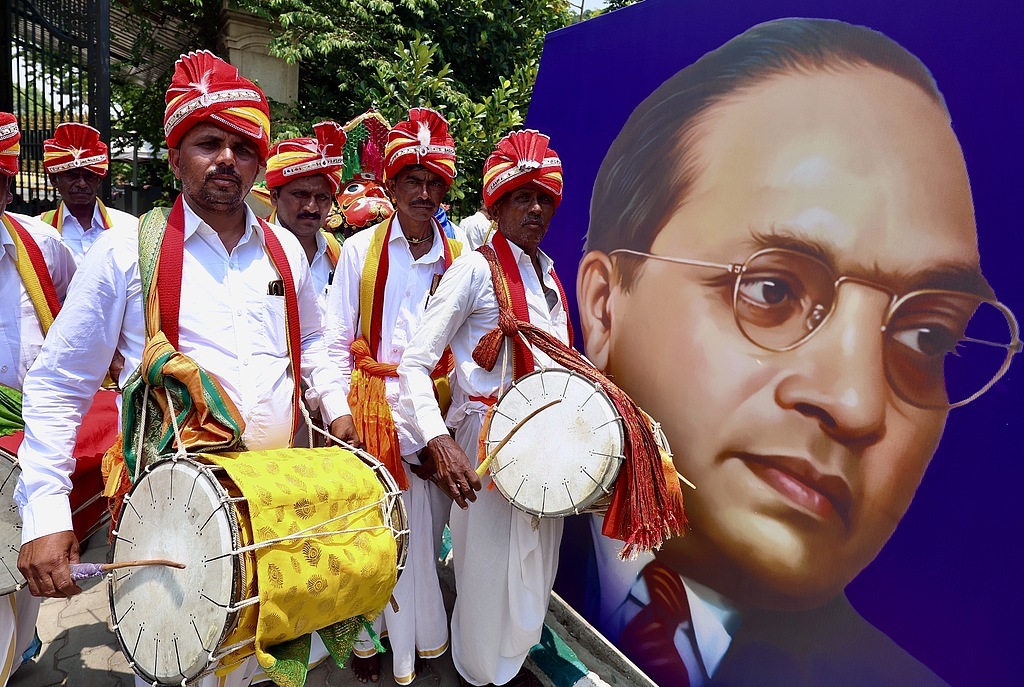
印度低种姓那么苦,为啥不冒充高种姓?
虎嗅APP· 2025-05-29 13:20
Core Viewpoint - The article explores the complexities of the caste system in India, discussing its historical roots, social implications, and the reasons for its persistence in modern society. Group 1: Historical Context and Social Structure - The caste system in India is deeply rooted in historical agricultural practices, where land ownership created significant social stratification [3][4][5]. - The original caste system was based on occupational roles, with different castes associated with specific jobs, leading to a hereditary division of labor [7][8]. - The caste system evolved into a rigid structure influenced by religious beliefs, particularly the concepts of karma and dharma, which reinforced social hierarchies [10][19]. Group 2: Caste Dynamics and Social Mobility - The article discusses the challenges faced by lower castes in attempting to ascend the social ladder, emphasizing that while it is theoretically possible to change one's caste, it is practically very difficult due to societal norms and expectations [22][23][36]. - The concept of "varna" (caste) is explained, highlighting the four main categories: Brahmins (priests), Kshatriyas (warriors), Vaishyas (merchants), and Shudras (laborers), with Dalits (formerly known as "untouchables") being outside this system [16][17]. - The article notes that the caste system's persistence is partly due to the economic and social advantages enjoyed by the upper castes, which are reinforced by historical and contemporary governance practices [31][32]. Group 3: Modern Implications and Social Change - The article highlights ongoing efforts in India to address caste-based discrimination, including government policies aimed at increasing representation of lower castes in public service [32][34]. - Despite legal frameworks promoting equality, societal attitudes and biases continue to hinder true social mobility for lower castes, particularly Dalits [35][38]. - The article concludes that the caste system remains a significant barrier to social equity in India, with deep-rooted cultural beliefs complicating efforts for reform [29][36].
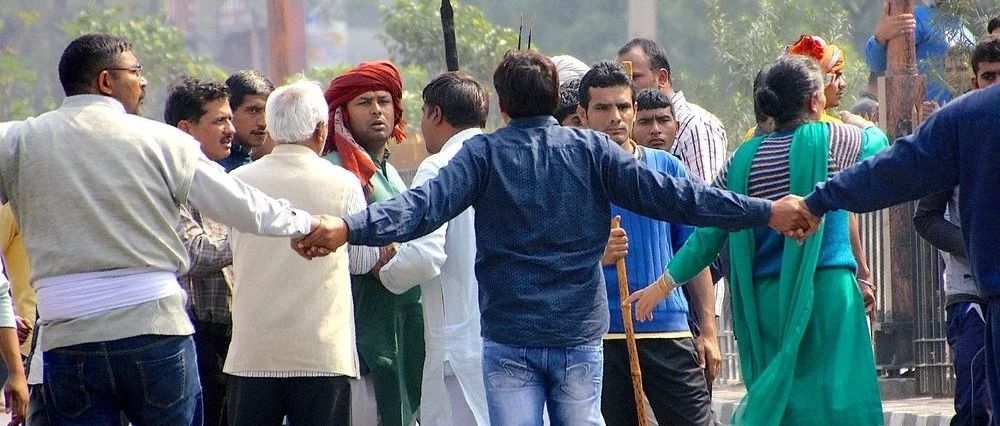
印度低种姓那么苦,为啥不冒充高种姓?
Hu Xiu· 2025-05-27 03:18
Core Viewpoint - The article discusses the complexities of the caste system in India, exploring its historical roots, social implications, and the reasons why lower castes accept their status despite the inherent inequalities [1][2][3][12][42]. Group 1: Historical Context and Social Structure - The caste system in India is deeply rooted in its agricultural history, where land ownership created significant social stratification [3][4][7]. - Different castes correspond to specific occupations, leading to a hereditary association between caste and profession [8][10][12]. - The caste system was further solidified by religious beliefs, particularly the concepts of karma and dharma, which dictate social roles and responsibilities [14][27]. Group 2: Caste Dynamics and Social Mobility - The article explains that while lower castes can theoretically change their caste, it is extremely difficult due to societal norms and the need for substantial resources [30][53]. - Instances of "Sanskritization," where lower castes attempt to adopt the lifestyle of higher castes, are noted, but these efforts often take generations to be accepted [33][34]. - The caste system's persistence is attributed to the benefits it provides to higher castes, who maintain their status and privileges [21][22][47]. Group 3: Modern Implications and Challenges - Despite legal frameworks aimed at reducing caste discrimination, societal attitudes remain entrenched, particularly in rural areas [48][51]. - The article highlights that economic disparities are closely tied to caste, with lower castes often facing significant barriers in education and employment opportunities [49][51]. - The ongoing struggle for caste equality is complicated by the competition between lower castes and the lowest caste, known as Dalits, who face the most severe discrimination [54].