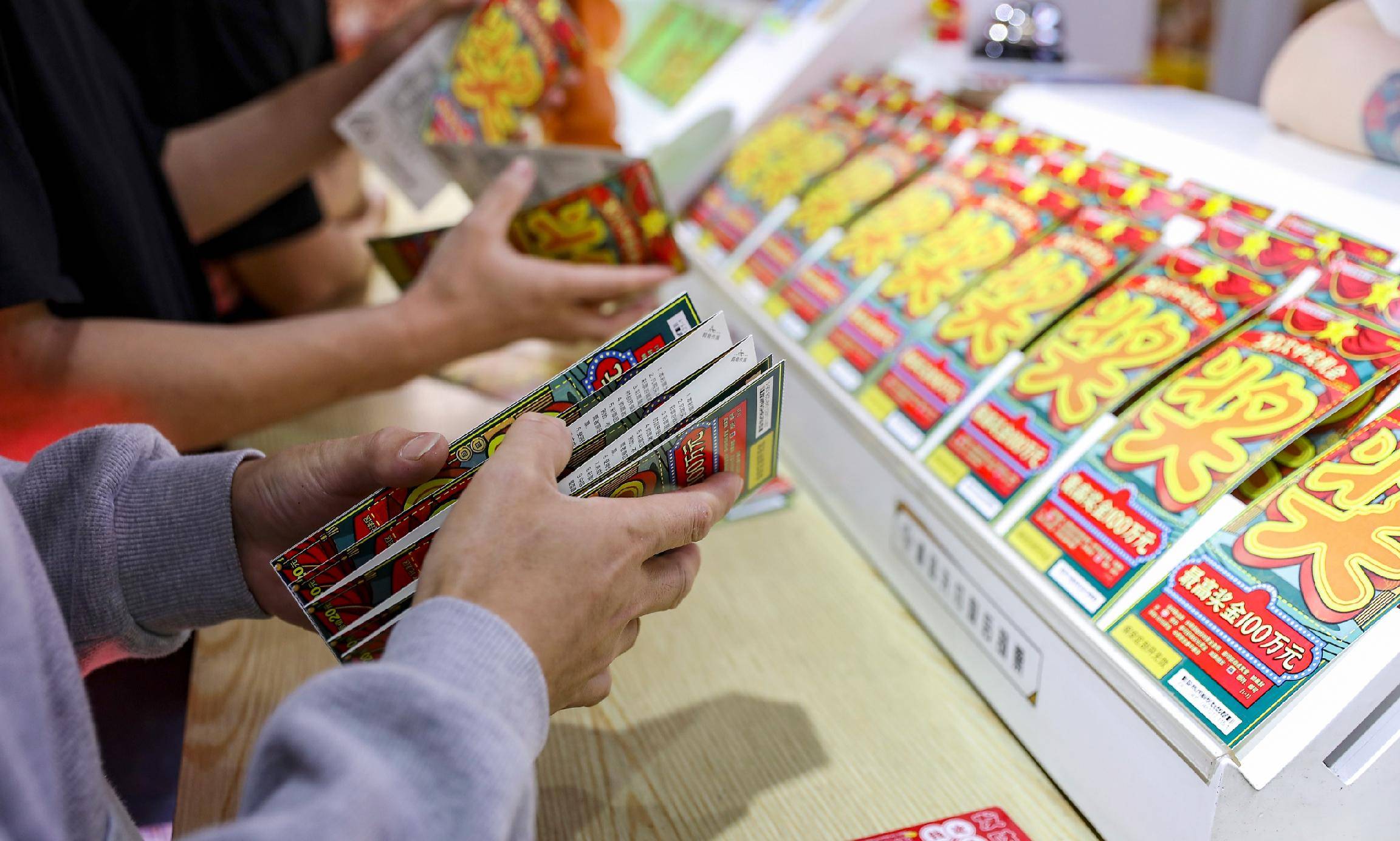
即开型彩票销量下滑

Search documents
刮刮乐也卖不动了
经济观察报· 2025-12-15 13:28
Core Viewpoint - The decline in instant lottery ticket sales is attributed to multiple factors, including economic conditions suppressing consumer willingness, long-term shortages disrupting consumption habits, and insufficient product appeal that is out of sync with current consumer trends [1][4]. Group 1: Sales Decline Factors - Economic environment has significantly reduced consumer willingness to spend, leading to a notable drop in average transaction value [4][8]. - Long-term supply shortages have interrupted consumer habits, resulting in a substantial loss of customer base [4][8]. - The lack of product attractiveness and failure to align with contemporary consumption trends have contributed to the decline [4][8]. Group 2: Sales Performance Insights - A lottery store reported that sales of instant tickets have dropped to less than 200 yuan in a day, compared to several thousand yuan previously [3]. - The sales of instant lottery tickets have seen a drastic decline over three years, with last year's supply shortages directly impacting this year's sales [3][6]. - The average transaction value for lottery purchases in Beijing's Chaoyang District has decreased from 120-150 yuan in 2024 to 50-70 yuan in 2025, a drop of over 50% [8]. Group 3: Market Dynamics - The instant lottery ticket segment accounts for 21% of total lottery sales in China, indicating potential for growth compared to international standards [4]. - The supply mechanism has been imbalanced, with some stores receiving significantly less inventory than needed, leading to a "cold period" in the market [8][10]. - The traditional reliance on "winning hype" is diminishing as consumers seek more engaging and innovative products, particularly among the younger generation [10]. Group 4: Statistical Discrepancies - National lottery sales data shows an overall increase, with total sales reaching 5230.30 billion yuan in the first ten months of 2025, a 1.9% increase year-on-year [12]. - Instant lottery sales in October 2025 were 97.48 billion yuan, a year-on-year increase of 18.7% [13]. - The disparity between reported sales data and actual store experiences is attributed to structural issues in statistical mechanisms, including inflated sales figures due to pre-emptive inventory purchases [14][15].

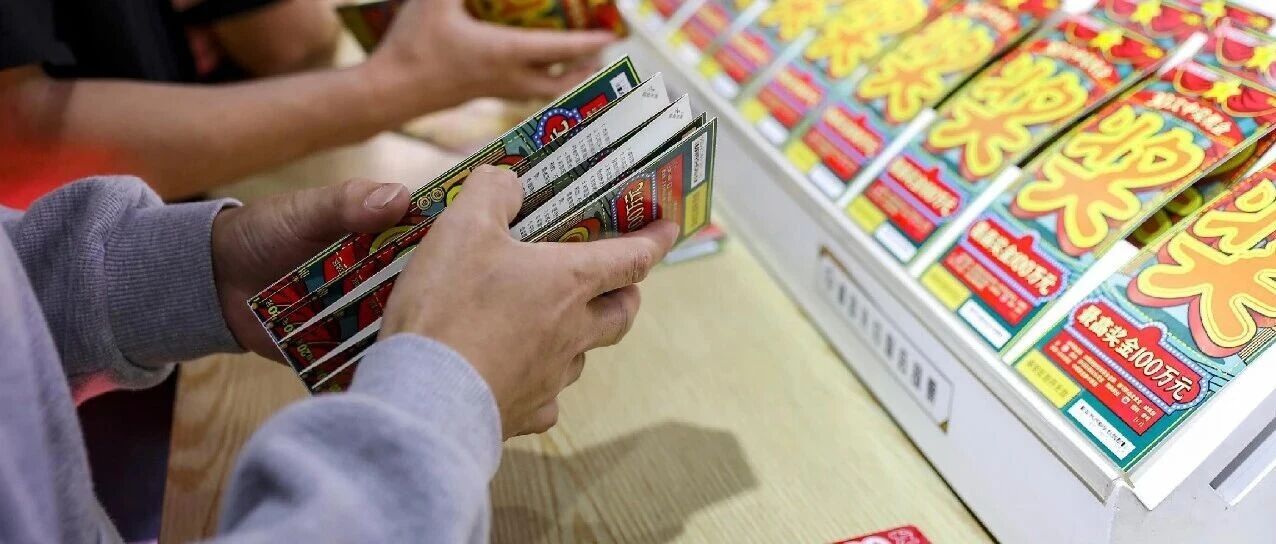
即开型彩票滞销了
Sou Hu Cai Jing· 2025-12-15 10:26
Core Viewpoint - The sales of instant lottery tickets have significantly declined due to multiple factors, including economic pressures, changes in consumer behavior, and a lack of product appeal, leading to a market stagnation [3][5][6] Sales Performance - Instant lottery ticket sales have dropped from a previously high demand to a state of oversupply, with one store reporting sales of less than 200 yuan on a busy day, compared to thousands previously [2][4] - The store has approximately 50,000 yuan worth of unsold instant lottery tickets, equivalent to five months' salary, indicating a severe inventory issue [4] Market Dynamics - The decline in sales is attributed to a combination of reduced consumer spending, disrupted purchasing habits due to previous supply shortages, and insufficient product attractiveness [3][5] - The average spending per customer has decreased significantly, with reports indicating a drop from 120-150 yuan to 50-70 yuan, a decline of over 50% [5] Supply Chain Issues - A previous supply shortage in 2024 led to a disruption in consumer habits, with many customers not returning to purchase tickets [5][6] - The supply mechanism is imbalanced, with some stores receiving significantly less inventory than needed, leading to a "断层式供应" (discontinuous supply) situation [6] Consumer Behavior - The traditional appeal of instant lottery tickets is waning, with younger consumers showing less interest in conventional lottery formats, and a lack of innovation in product themes [6] - The perceived decrease in winning rates has also contributed to declining sales, with fewer significant prizes being reported [6] Statistical Discrepancies - Despite a reported increase in overall lottery sales, the actual experience of lottery retailers indicates a disconnect between official statistics and market realities [7][9] - The sales data may be inflated due to administrative pressures on retailers to meet sales targets, leading to unsold inventory being counted as sales [9][10] - The growth in sales figures is often based on low comparison bases from previous years, masking the true decline in consumer engagement [9][10]