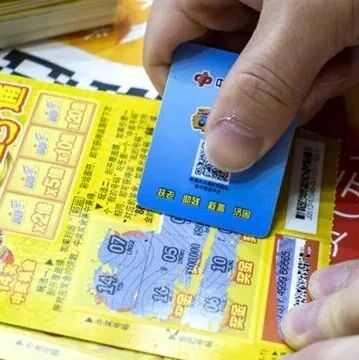
刮刮乐

Search documents
年味里的消费迁移:2026春节消费趋势报告-知萌
Sou Hu Cai Jing· 2026-02-28 00:55
Core Insights - The 2026 Spring Festival consumption market shows a clear shift from functional satisfaction to a focus on "meaning and value," with a notable increase in both rational and emotional spending [1][20] - Daily sales revenue in consumption-related industries increased by 13.7% year-on-year, with significant growth in sectors such as cultural tourism, dining, and smart green consumption [1][26] - The "old-for-new" policy benefited 27.56 million people, indicating a new growth point in the market for smart and green products [1][17] Group 1: Consumption Trends - The report identifies 12 core trends in Spring Festival consumption, reflecting deep changes in the market, including the emergence of a new "reunion economy" and the rise of the Z generation as the main decision-makers in family consumption [2][28] - Consumers are increasingly prioritizing emotional healing and satisfaction over mere functionality, with "heart-price ratio" becoming a key consideration [11][12] - Local culture is becoming a new engine for consumption, with traditional experiences and local specialties gaining popularity among younger consumers [13][14] Group 2: Service and Retail Dynamics - Service consumption has seen explosive growth, with consumers willing to pay for time-saving and immediate gratification services, indicating a shift from buying products to buying time [19][20] - Instant retail is replacing traditional bulk purchasing for the Spring Festival, aligning with rational consumption trends [2][28] - The demand for pet-related services has surged, with pets becoming integral to family celebrations, reflecting a broader trend of emotional consumption [19][20] Group 3: Policy and Economic Impact - The "old-for-new" policy has significantly impacted consumer behavior, with a total sales volume of 193.09 billion yuan generated from this initiative, particularly in the automotive sector [17][27] - The overall consumption landscape is evolving, with a focus on quality upgrades and green products, driven by consumer awareness and policy support [15][17] - The Spring Festival period has highlighted the importance of understanding new consumption paradigms, emphasizing emotional fulfillment and real value over mere traffic competition [3][20]


机器人热销、AI当管家,马年春节这些“黑科技”成了最火年货
Xin Jing Bao· 2026-02-24 14:24
Core Insights - The 2026 Spring Festival consumption market in China showcased strong vitality, characterized by high-tech integration, robust cultural tourism, and the fusion of online and offline shopping, aligning with the "14th Five-Year Plan" focus on boosting consumption and fostering new consumption models [1] Group 1: Robotics and AI Consumption - The demand for robots surged during the Spring Festival, with high-end models like the Galaxy General G1 selling out within minutes, indicating a significant shift in the robotics market towards consumer applications [2] - Online searches for robots increased by over 300% and customer inquiries rose by 460% within two hours of the Spring Festival Gala, highlighting the event's impact on consumer interest [2] - The rental market for robots also saw a full booking during the festival, marking a critical breakthrough in making robotics accessible to the general public [3] Group 2: Changing Consumer Trends - Young consumers are redefining traditional New Year goods, with items like scratch cards and blind boxes becoming popular, reflecting a shift towards products that resonate with contemporary lifestyles [3] - The trend of incorporating diverse culinary options into New Year’s Eve dinners is growing, with hot pot and fusion cuisines gaining popularity among younger generations [3] - The sales of gold, particularly high-aesthetic and culturally significant pieces, have seen double-digit growth, driven by rising gold prices and the appeal of investment-grade gold among young consumers [4] Group 3: AI Integration in Consumer Services - AI has become a key player in enhancing consumer experiences, with a reported 800% increase in AI order volumes during the Spring Festival, demonstrating its role as a travel assistant for consumers [5] - The "one-sentence order" feature gained immense popularity, with nearly 2 billion orders placed during the festival, showcasing a significant shift towards convenience in consumer behavior [6] - AI's integration into various consumer services has led to a dramatic increase in efficiency, allowing users to complete transactions with minimal effort [5][6] Group 4: Offline Consumption Trends - The offline consumption market experienced robust growth, with a 33% increase in businesses operating during the festival and a 65% rise in sales for these businesses [7] - Hotel and accommodation bookings surged, driven by the dual demand of returning home and traveling during the holiday, with significant increases in group purchases for hotels and guesthouses [7] - The film and cultural tourism sectors also thrived, with box office revenues from third and fourth-tier cities reaching a record high, indicating a broadening appeal of entertainment options during the festival [7] Group 5: Policy and Technological Support - Government initiatives, such as the "Happy Shopping Spring" campaign, have provided substantial support for consumer spending through vouchers and subsidies, enhancing overall market activity [8] - The "AI+" strategy outlined in the "14th Five-Year Plan" is facilitating deeper integration of AI technology into consumer scenarios, transforming consumption concepts and industry structures [8]

龙翔小学义卖活动热闹非凡,学生热情参与助山区
Xin Lang Cai Jing· 2026-02-13 23:51
Group 1 - The article describes a charity sale event organized by students, highlighting the excitement and engagement of participants as they sell various items [1][2] - The students actively promote their products, such as scratch cards and ice pops, demonstrating entrepreneurial spirit and teamwork [1][2] - The proceeds from the charity sale are intended to support children in need in mountainous areas, emphasizing the social responsibility aspect of the event [2] Group 2 - The narrative captures the beauty of a sunset, likening the sky to a giant canvas with colorful clouds, showcasing the magic of nature [3] - The transformation of the ordinary school environment into a vibrant scene illustrates the theme of appreciating beauty in everyday life [3] - The reflection on the experience encourages a mindset of curiosity and openness to the wonders around, suggesting that beauty is always present if one is willing to notice it [3]
“刮刮乐”是怎样印出来的?设计者能预知中奖吗?
Xin Lang Cai Jing· 2026-01-03 05:55
Core Viewpoint - The production and sale of "Scratch Lottery" tickets in China have seen significant growth, with sales increasing from 14.6 billion to 61 billion yuan over five years, reflecting a 42.97% average annual growth rate, and the product now accounts for 29.4% of total lottery sales [1][6]. Group 1: Production and Security - The production facility for "Scratch Lottery" tickets employs advanced technology and strict security measures to ensure fairness and integrity, with automated printing occurring in a sealed environment at speeds of up to 150 meters per minute [3]. - Each ticket is equipped with multiple anti-counterfeiting features, including a unique verification code and various security patterns, making it nearly impossible to replicate winning tickets [3]. - The entire production process is monitored 24/7, with any anomalies triggering immediate alerts, ensuring a secure and transparent operation [3]. Group 2: Social Impact and Funding - A fixed percentage of the sales from each lottery ticket is allocated to public welfare funds, which are distributed equally between central and local governments, supporting social welfare initiatives such as elderly care and child welfare [4]. - Over the past 20 years, the lottery has funded more than 300,000 public welfare projects, positively impacting millions of people across various sectors, including community services and cultural revitalization [4][5]. - The lottery not only serves as a source of entertainment but also plays a crucial role in promoting social equity and public welfare, aligning with the mission of supporting vulnerable populations [5]. Group 3: Market Dynamics - The rapid growth of the scratch lottery market is attributed to several factors, including the recovery of existing demand, policy adjustments in the lottery industry, and innovative reforms within the sector [6]. - The scratch lottery's appeal lies in its diverse themes, visual appeal, and strong entertainment value, contributing to its role in funding public welfare and enhancing community services [6]. - Despite the growth, the market faces challenges such as high production costs and the threat of counterfeit tickets, necessitating ongoing reforms and stricter management to ensure sustainable development [6].
“刮刮乐”是怎样印出来的?
Xin Lang Cai Jing· 2026-01-02 18:29
Core Insights - The article discusses the growth and operational integrity of the "Scratch Card" lottery in China, highlighting its significant sales increase and the measures taken to ensure fairness and security in the lottery process [1][2][4]. Group 1: Sales Growth and Market Dynamics - The sales of "Scratch Cards" have surged from 14.6 billion to 61 billion over the past five years, with an average growth rate of 42.97%, increasing its market share from 10.1% to 29.4% within the lottery sector [1][6]. - The growth is attributed to four main factors: recovery of existing demand, policy adjustments in the lottery industry, innovations within the sector, and social media effects [6]. Group 2: Operational Integrity and Security Measures - The production of "Scratch Cards" is characterized by advanced technology and strict security protocols, ensuring that the results are random and cannot be manipulated [2][3]. - Each card is produced in a highly secure environment with automated processes, and features multiple anti-counterfeiting technologies, making it nearly impossible to replicate winning tickets [3]. Group 3: Contribution to Public Welfare - A fixed percentage of each ticket sold is allocated to public welfare funds, which are distributed equally between central and local governments, supporting various social welfare initiatives [4]. - Over 300,000 public welfare projects have been funded through lottery proceeds, benefiting millions and promoting social equity [4][5]. Group 4: Future Challenges and Opportunities - The "Scratch Card" market is entering a phase of stable and rational growth, but faces challenges such as high production costs and market disruptions from counterfeit tickets [6]. - The industry aims to continue reforming and innovating to enhance management and ensure sustainable growth in both quality and quantity [6].
刮刮乐也卖不动了
投资界· 2025-12-18 07:21
Core Viewpoint - The decline in sales of instant lottery tickets is attributed to multiple factors, including a challenging economic environment, disrupted consumer habits due to previous supply shortages, and a lack of product appeal that does not align with current consumer trends [4][9][11]. Sales Performance - Instant lottery ticket sales have significantly decreased, with one store reporting sales of less than 200 yuan on a busy day, compared to thousands in previous years [4][6]. - The sales drop has persisted for an extended period, with the store holding approximately 50,000 yuan worth of unsold inventory, equivalent to five months' wages [6][10]. - The average spending per customer has dropped from 120-150 yuan in 2024 to 50-70 yuan in 2025, indicating a decline of over 50% [10]. Market Dynamics - The instant lottery segment accounts for 21% of total lottery sales in China, suggesting potential for growth compared to international standards [5]. - The sales decline is exacerbated by a supply shortage that began in 2024, disrupting consumer habits and leading to a loss of customer base [9][10]. - The supply chain issues have resulted in a significant imbalance, with some stores receiving only 60% of the actual demand, leading to a "cooling period" in the market [10]. Consumer Behavior - The willingness to spend on non-essential items, including lottery tickets, has decreased by 18% year-on-year, reflecting broader economic pressures [9]. - Many customers who previously purchased high-value tickets have shifted to smaller purchases or have become more hesitant to buy [10][11]. Statistical Discrepancies - Despite a reported overall increase in lottery sales, the actual experience of retailers indicates a disconnect between official statistics and market realities [12][13]. - The increase in sales figures is partly due to a low base effect from 2024, where sales were significantly impacted by supply shortages [14]. - The growth in sales is primarily driven by a small number of high-performing channels, while ordinary retail outlets have experienced an 18% decline in sales [14].

刮刮乐也卖不动了
经济观察报· 2025-12-15 13:28
Core Viewpoint - The decline in instant lottery ticket sales is attributed to multiple factors, including economic conditions suppressing consumer willingness, long-term shortages disrupting consumption habits, and insufficient product appeal that is out of sync with current consumer trends [1][4]. Group 1: Sales Decline Factors - Economic environment has significantly reduced consumer willingness to spend, leading to a notable drop in average transaction value [4][8]. - Long-term supply shortages have interrupted consumer habits, resulting in a substantial loss of customer base [4][8]. - The lack of product attractiveness and failure to align with contemporary consumption trends have contributed to the decline [4][8]. Group 2: Sales Performance Insights - A lottery store reported that sales of instant tickets have dropped to less than 200 yuan in a day, compared to several thousand yuan previously [3]. - The sales of instant lottery tickets have seen a drastic decline over three years, with last year's supply shortages directly impacting this year's sales [3][6]. - The average transaction value for lottery purchases in Beijing's Chaoyang District has decreased from 120-150 yuan in 2024 to 50-70 yuan in 2025, a drop of over 50% [8]. Group 3: Market Dynamics - The instant lottery ticket segment accounts for 21% of total lottery sales in China, indicating potential for growth compared to international standards [4]. - The supply mechanism has been imbalanced, with some stores receiving significantly less inventory than needed, leading to a "cold period" in the market [8][10]. - The traditional reliance on "winning hype" is diminishing as consumers seek more engaging and innovative products, particularly among the younger generation [10]. Group 4: Statistical Discrepancies - National lottery sales data shows an overall increase, with total sales reaching 5230.30 billion yuan in the first ten months of 2025, a 1.9% increase year-on-year [12]. - Instant lottery sales in October 2025 were 97.48 billion yuan, a year-on-year increase of 18.7% [13]. - The disparity between reported sales data and actual store experiences is attributed to structural issues in statistical mechanisms, including inflated sales figures due to pre-emptive inventory purchases [14][15].
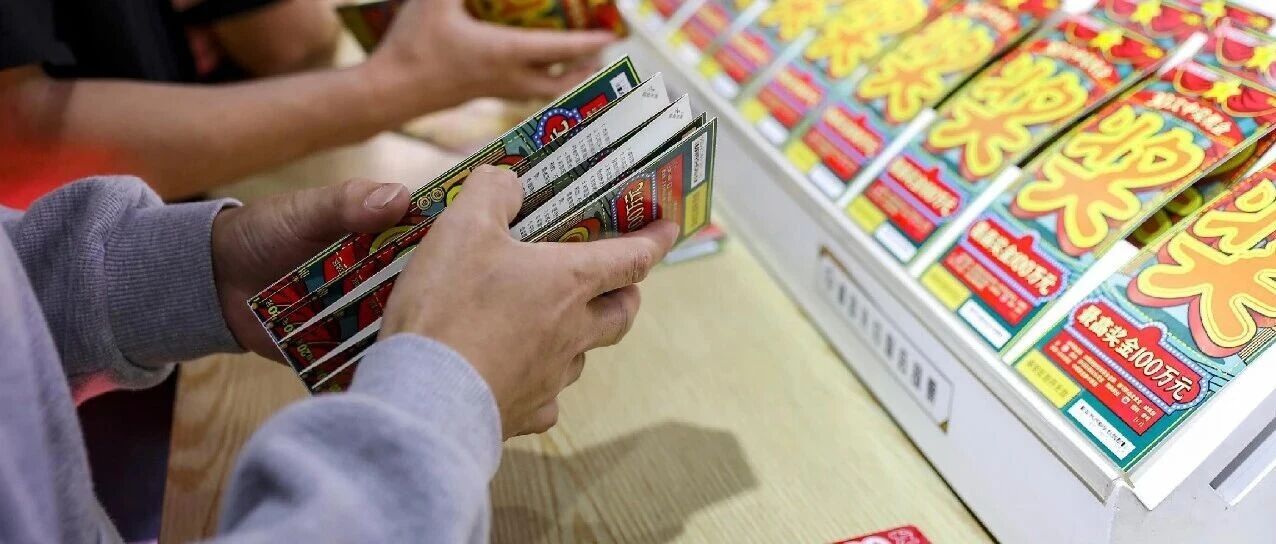
即开型彩票滞销了
Sou Hu Cai Jing· 2025-12-15 10:26
Core Viewpoint - The sales of instant lottery tickets have significantly declined due to multiple factors, including economic pressures, changes in consumer behavior, and a lack of product appeal, leading to a market stagnation [3][5][6] Sales Performance - Instant lottery ticket sales have dropped from a previously high demand to a state of oversupply, with one store reporting sales of less than 200 yuan on a busy day, compared to thousands previously [2][4] - The store has approximately 50,000 yuan worth of unsold instant lottery tickets, equivalent to five months' salary, indicating a severe inventory issue [4] Market Dynamics - The decline in sales is attributed to a combination of reduced consumer spending, disrupted purchasing habits due to previous supply shortages, and insufficient product attractiveness [3][5] - The average spending per customer has decreased significantly, with reports indicating a drop from 120-150 yuan to 50-70 yuan, a decline of over 50% [5] Supply Chain Issues - A previous supply shortage in 2024 led to a disruption in consumer habits, with many customers not returning to purchase tickets [5][6] - The supply mechanism is imbalanced, with some stores receiving significantly less inventory than needed, leading to a "断层式供应" (discontinuous supply) situation [6] Consumer Behavior - The traditional appeal of instant lottery tickets is waning, with younger consumers showing less interest in conventional lottery formats, and a lack of innovation in product themes [6] - The perceived decrease in winning rates has also contributed to declining sales, with fewer significant prizes being reported [6] Statistical Discrepancies - Despite a reported increase in overall lottery sales, the actual experience of lottery retailers indicates a disconnect between official statistics and market realities [7][9] - The sales data may be inflated due to administrative pressures on retailers to meet sales targets, leading to unsold inventory being counted as sales [9][10] - The growth in sales figures is often based on low comparison bases from previous years, masking the true decline in consumer engagement [9][10]
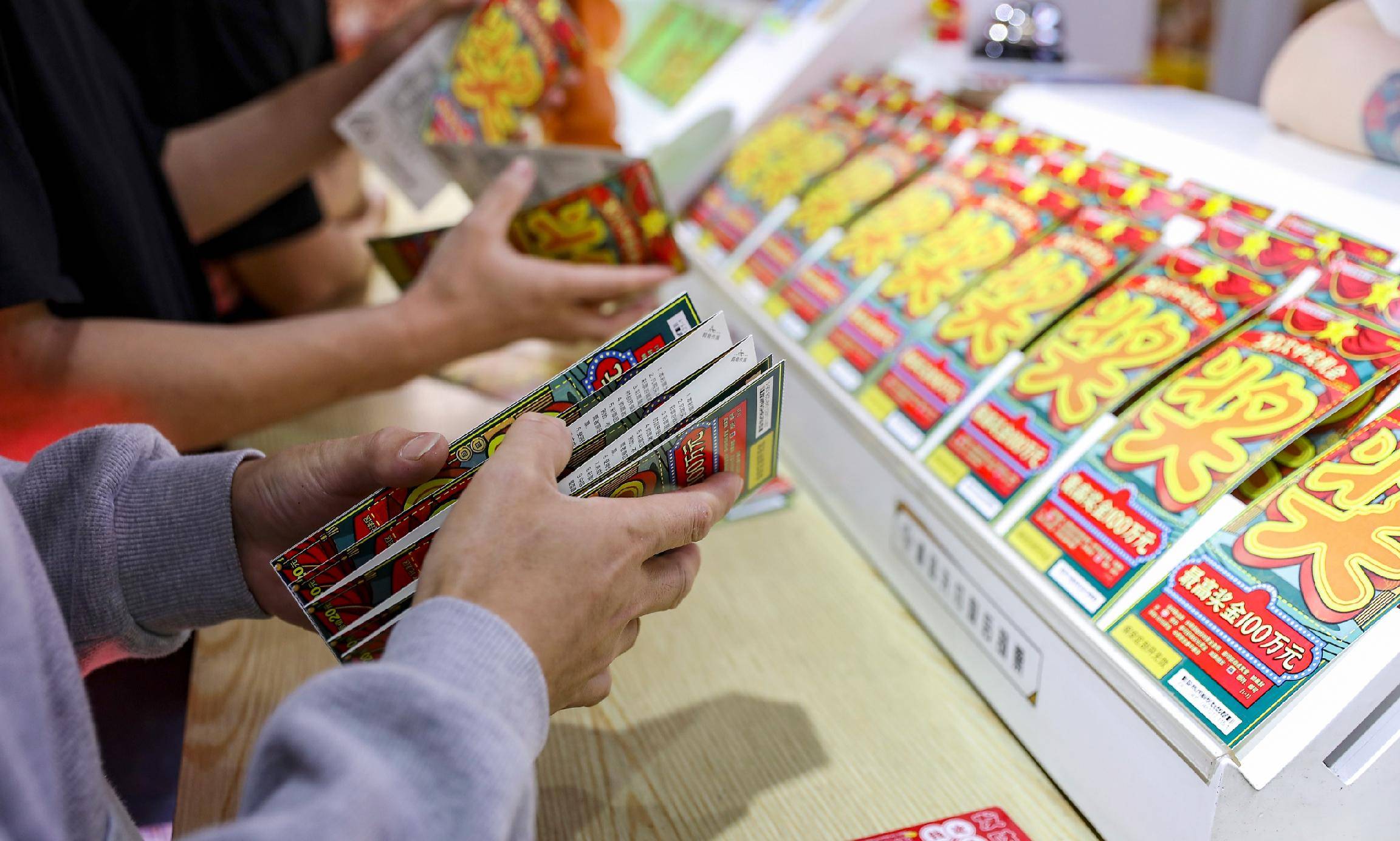
一张刮刮乐20元其中4元是公益金 今年苏州市级福彩公益金资助40个项目
Su Zhou Ri Bao· 2025-11-29 00:36
Core Insights - The article highlights the allocation and impact of the Suzhou municipal welfare lottery funds, emphasizing their role in supporting various social welfare projects, particularly in elderly care, child welfare, and emergency assistance. Group 1: Elderly Care - In 2023, approximately 69.6 million yuan of the Suzhou welfare lottery funds is dedicated to elderly care, supporting 13 specific projects [2][3] - The "Family Companionship Project" at Suzhou Social Welfare Institute provides care and companionship for over 180 long-term hospitalized elderly individuals, focusing on both physical and psychological needs [3] - An additional 10.59 million yuan is allocated for accident insurance for seniors aged 60 and above, enhancing their safety and security [3] Group 2: Support for Disabled Individuals - The Suzhou Autism Awareness Experience Center, funded by the welfare lottery, aims to educate the public about autism and provide resources for affected families [4][5] - A total of 847,000 yuan is allocated to support rehabilitation education programs for children with disabilities, continuing a seven-year funding commitment [5] Group 3: Child Welfare - The welfare lottery funds 9.7 million yuan for 11 child welfare projects, including financial support for low-income youth and initiatives to fulfill the wishes of disadvantaged children [6] - The "Future Project" provides 6,000 yuan annually to 550 eligible low-income youth for non-compulsory education expenses [6] Group 4: Emergency Assistance - The Suzhou welfare lottery has established an emergency assistance fund, providing timely financial support to families facing sudden hardships, with an increase in aid amounts from 3,000-5,000 yuan to 5,000-8,000 yuan starting in 2024 [7] - Over the past 11 years, this initiative has allocated more than 2.5 million yuan to assist over 400 families in crisis [7] Group 5: Other Social Welfare Initiatives - Additional allocations include 12.74 million yuan for the reconstruction of the Suzhou Rescue Management Station and 10 million yuan for medical assistance for low-income individuals [8]
前三季度全国彩票销售同比增长1.5%,刮刮乐卖得好
第一财经· 2025-10-24 13:33
Core Viewpoint - China's lottery sales revenue continues to grow, but the growth rate has significantly slowed down, with a 1.5% year-on-year increase in the first three quarters of 2025 compared to a 9.4% increase in the same period last year [3][4]. Sales Performance - In the first three quarters of 2025, total lottery sales reached 476.137 billion yuan, marking a historical high for the same period, but the growth rate has decreased by nearly 8 percentage points compared to last year [3]. - The sales of welfare lottery amounted to 159.75 billion yuan, while sports lottery sales reached 316.387 billion yuan, both showing a 1.5% year-on-year increase [4]. Lottery Types - The main types of lottery include digital lottery, betting lottery, instant lottery, and Keno lottery. In the first three quarters: - Betting lottery sales were 208.84 billion yuan, down 2.5% year-on-year - Digital lottery sales were 134.637 billion yuan, up 0.4% - Instant lottery sales were 101.356 billion yuan, up 14.2% - Keno lottery sales were 31.302 billion yuan, down 2.2% [5]. Regional Sales - Among the 21 provinces, lottery sales increased in 11 provinces, with Shandong, Hubei, and Henan showing significant increases of 1.89 billion yuan, 1.43 billion yuan, and 1.25 billion yuan respectively. Conversely, 10 provinces saw declines, with Jiangxi, Zhejiang, and Guizhou experiencing the largest decreases of 0.88 billion yuan, 0.79 billion yuan, and 0.61 billion yuan respectively [5]. Purpose of Lottery - The primary purpose of issuing lotteries is to raise funds for social welfare and sports, with a portion of the sales revenue allocated to public welfare funds, which are distributed equally between central and local governments for social welfare projects [6].