卵巢早衰

Search documents
助力女性不孕症精准诊断:我国学者发布卵子与早期胚胎发育潜能缺陷系统分型与遗传图谱
生物世界· 2025-10-17 10:00
Core Insights - The article discusses the significant public health challenge of infertility, affecting 12.6%-17.5% of couples globally, and highlights the role of in vitro fertilization (IVF) as a primary assisted reproductive technology [3] - A recent study published in Nature Medicine introduces the concept of Oocyte and Early Embryo Competence Defects (OECD) and identifies six subtypes based on clinical characteristics, providing new diagnostic standards and genetic mapping for female infertility [4][7] Group 1: OECD Concept and Subtypes - The study systematically proposes the concept of OECD and categorizes it into six subtypes: Empty Follicle, Oocyte Maturation Arrest, Fertilization Failure, Zygote Arrest, Early Embryonic Arrest, and Mixed Phenotype, along with corresponding diagnostic criteria [4][7] - The research involved whole-exome sequencing of 2,140 female OECD infertility patients to explore the genetic landscape and subtype classification [7] Group 2: Genetic Findings and Implications - The research team identified 183 pathogenic or potentially pathogenic mutations across 28 known genes, with varying diagnostic rates among subtypes; for instance, the Empty Follicle subtype had a diagnostic rate of 53% [9] - The study also identified and validated two potential pathogenic genes, MLH3 and CENPH, and suggested nine previously unreported associated genes, providing biological insights into the potential pathogenic mechanisms of ovarian insufficiency [9] - Overall, the genetic findings explain 12.8%-23.1% of OECD cases, offering valuable information for developing diagnostic genetic screening and standardizing subtype classification for OECD patients [9]


27岁,我停经了
36氪· 2025-05-18 10:25
Core Viewpoint - The article discusses the increasing prevalence of premature ovarian failure (POF) among young women, highlighting personal stories that illustrate the emotional and physical challenges faced by those diagnosed with this condition [5][7][29]. Group 1: Personal Experiences - The article features the story of a 26-year-old woman, Yuan Yuan, who was diagnosed with POF after experiencing irregular menstrual cycles and low hormone levels, leading to feelings of confusion and despair [5][6][7]. - Another case is presented through Liu Le, who initially dismissed her symptoms as stress-related but later faced the harsh reality of POF after seeking medical advice [9][10][11]. - Both women express disbelief and frustration upon receiving their diagnoses, reflecting a common sentiment among young patients who associate POF with older age [11][12][22]. Group 2: Medical Insights - The article notes that the diagnosis of POF in women under 30 is becoming more common, with estimates suggesting that 5%-15% of POF patients fall into this age group [13]. - Factors contributing to POF include lifestyle choices such as extreme dieting and high stress levels, which can disrupt hormonal balance and menstrual cycles [13][14]. - Medical professionals emphasize that POF does not equate to infertility, as there remains a 5%-10% chance of pregnancy even with low hormone levels, provided that ovulation is monitored closely [29][30]. Group 3: Emotional and Social Impact - The emotional toll of POF is significant, with patients experiencing anxiety, relationship strain, and a sense of loss regarding their fertility and youth [17][18][20]. - The article highlights the importance of community support, as Yuan Yuan found solace in connecting with others facing similar challenges, which helped her shift her focus from despair to proactive health management [25][26]. - Liu Le's journey illustrates a gradual acceptance of her condition, leading her to prioritize her health over societal expectations regarding motherhood [30][31].
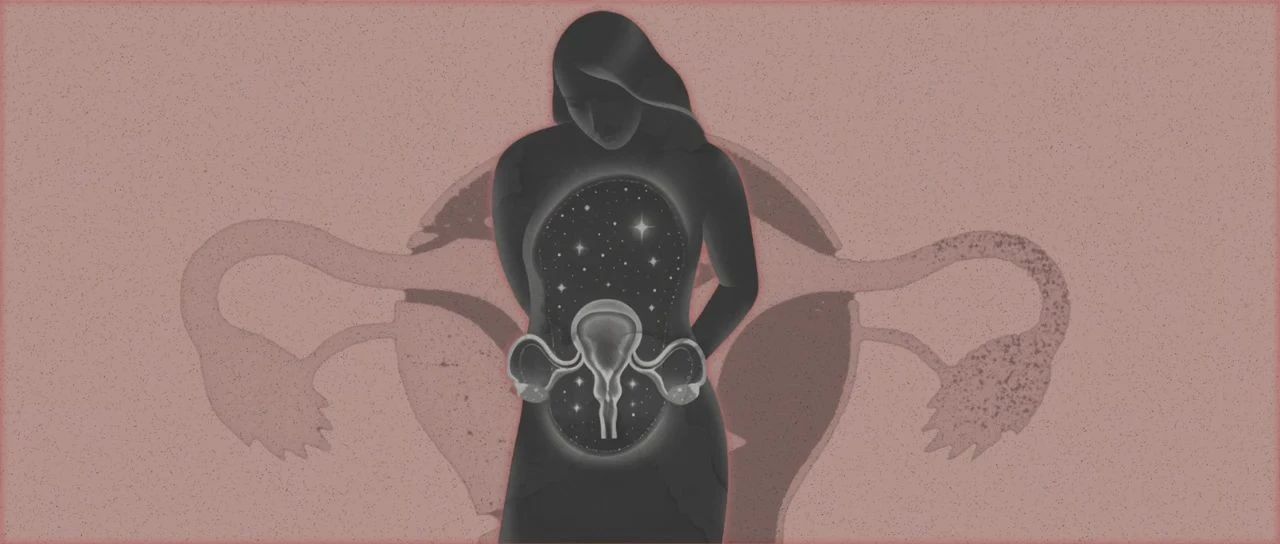
27岁,我停经了
3 6 Ke· 2025-05-18 01:32
Core Insights - The article discusses the increasing prevalence of premature ovarian failure (POF) among young women, highlighting personal stories of individuals diagnosed with the condition and their struggles with acceptance and treatment options [2][3][8] Group 1: Diagnosis and Symptoms - Premature ovarian failure, or early ovarian insufficiency, is diagnosed when a woman's ovaries lose function before age 40, with symptoms including irregular menstruation and low hormone levels [3][8] - Many young women do not recognize missed periods as a serious health issue, often attributing it to stress or lifestyle factors [5][6] - The article notes that the percentage of patients diagnosed with POF under 30 is increasing, with estimates suggesting that 5%-15% of POF patients fall into this age group [8] Group 2: Treatment and Management - Hormonal treatments such as estrogen supplements are commonly prescribed, but many patients experience side effects and may resist taking them [3][6] - The article emphasizes the importance of psychological support and education for patients, as many initially struggle to accept their diagnosis and its implications for fertility [12][19] - Despite the diagnosis, there remains a possibility for pregnancy, with some patients successfully conceiving even with low hormone levels [18][19] Group 3: Emotional and Social Impact - The emotional toll of POF is significant, with patients experiencing anxiety, depression, and relationship strain due to their condition [10][12] - Social stigma and feelings of shame can lead to isolation, as patients may feel different from their peers [14][15] - Support groups and community connections are highlighted as beneficial for patients to share experiences and coping strategies [15][18]