历史文脉传承

Search documents
福建博物院面向社会公开征集文物
Zhong Guo Xin Wen Wang· 2026-01-09 22:52
Core Viewpoint - Fujian Museum is publicly collecting cultural relics to enrich its collection and enhance the exhibition structure, focusing on items with local historical, scientific, and artistic value [1][2]. Group 1: Collection Scope - The collection scope includes fourteen categories, emphasizing the diverse dimensions of marine civilization and local cultural heritage [1]. - Specific categories for collection include marine culture, Minnan culture, Hakka culture, Mazu culture, and She ethnic culture, with a focus on items like Zhangzhou kiln ceramics and Dehua kiln ceramics [1]. - The collection also targets historical cultural categories such as Zhuzi culture, shipbuilding culture, and notable figures from Fujian's history [2]. Group 2: Legal and Ethical Considerations - Collectors must ensure the legal provenance of their items and assume legal and financial responsibility for the authenticity of the collections [3]. - Fujian Museum is located in Fuzhou, covering approximately 90 acres with a building area of about 36,000 square meters and an exhibition area of around 12,000 square meters, housing over 210,000 items, including nearly 40,000 precious artifacts [3].
徐汇旧改再提速,传承衡复文脉锻造上海“未来之心”
Xin Lang Cai Jing· 2025-12-18 04:15
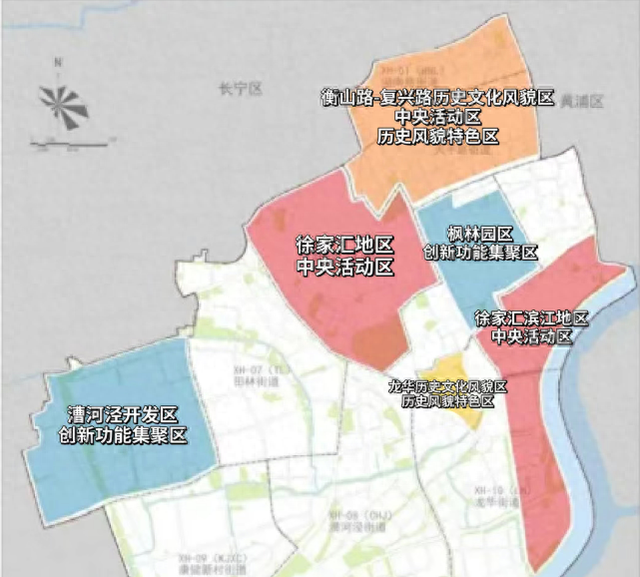
Core Insights - The completion of the urban renewal project in Jiangnan New Village, Xuhui District, marks a significant milestone in the transformation of Shanghai's core urban areas, involving 2,374 residents over 81 days [1] - The project is seen as a continuation of the cultural value of the adjacent Hengfu Historical Style District, linking it to the current strategic context of the "One River, One River" initiative, positioning Xuhui Riverside as a high-value area [1][2] - The urban renewal narrative emphasizes a creative inheritance rather than mere replication of history, aiming to redefine the future of urban living in Shanghai [1][4] Urban Development and Planning - The recent land auction in Shanghai's sixth batch saw a plot in the Hengfu Historical Style District sold for over 200,000 yuan per square meter, indicating a market recognition of the area's enduring value [1] - The Xuhui District has established five major functional areas, including the Greater Xujiahui and Xuhui Riverside, to promote urban renewal and enhance community engagement [2][4] - The approved "Fenglin-01 Renewal Unit Planning Implementation Plan" aims to create a vibrant area that integrates historical depth with future potential, connecting various cultural and commercial hubs [4] Real Estate Market Dynamics - The urban renewal efforts have led to a record-breaking land transaction in China, with the East An New Village site selling for over 52.3 billion yuan, reflecting strong market confidence in the Xuhui District's development prospects [5][6] - The involvement of both established state-owned enterprises and emerging private developers in the project highlights a collaborative approach to urban renewal, combining resources and innovative ideas [6][8] Architectural Innovation - The design of the "Jiabai Road·Shanghai" project aims to blend historical elements with modern architectural techniques, creating a unique residential experience that respects the area's cultural heritage [10][11] - The project incorporates advanced construction technologies, such as double-curved aluminum panel facades, to achieve a dynamic visual appeal while enhancing living conditions [14][18] - The architectural approach seeks to establish a new benchmark for high-end residential buildings in China, emphasizing aesthetic quality and cultural confidence [14][16]

在这里,人与城相契相守(文化中国行·人文观察)
Ren Min Ri Bao· 2025-06-28 21:49
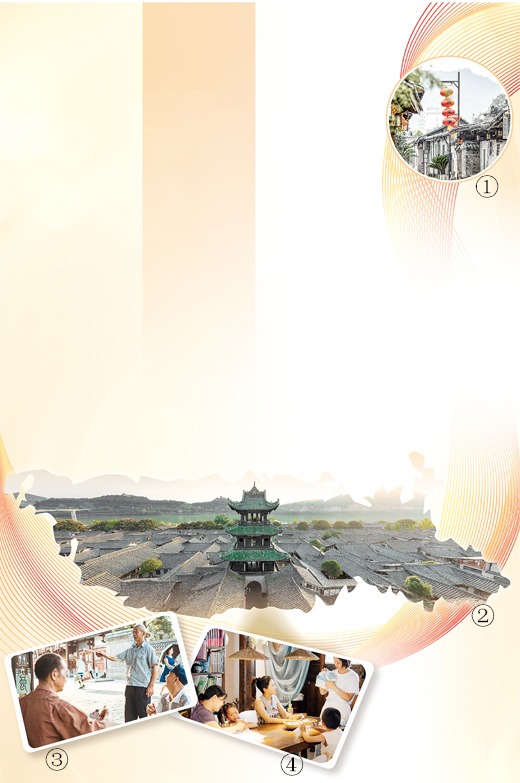
Core Insights - The article emphasizes the dynamic preservation of the ancient city of Langzhong, highlighting its historical significance and the efforts made to maintain its cultural heritage while allowing for modern living [4][6][12]. Group 1: Historical Significance - Langzhong has been a historical cultural city since 1986, with over 40,000 residents contributing to its vibrant culture [3]. - The city has a rich history, having served as the capital of the Ba Kingdom during the Warring States period and later as a significant administrative center throughout various dynasties [4]. Group 2: Cultural Preservation Efforts - The establishment of the "Langzhong Ancient City Protection Regulations" in 2004 marked a significant step in legally protecting the city's cultural heritage, expanding the protected area from 1.78 square kilometers to 23.17 square kilometers in 2019 [4][5]. - Specific guidelines have been implemented to maintain the city's historical layout, including prohibitions on altering street patterns and building heights [5]. Group 3: Community Involvement - The shift from "I must protect" to "I want to protect" reflects a growing community commitment to preserving the ancient city, with residents actively participating in its protection [6][9]. - Local markets, schools, and small workshops are encouraged to remain within the city to maintain its livability and cultural vibrancy [9]. Group 4: Modern Adaptations - The city has initiated "micro-renovations" to improve living conditions while preserving historical aesthetics, such as upgrading infrastructure and introducing modern amenities [8][10]. - The integration of cultural experiences, such as traditional dyeing workshops and themed guesthouses, enhances the city's appeal to tourists while promoting local heritage [10][11]. Group 5: Cultural Events and Activities - Various cultural activities, including traditional performances and workshops, are organized to engage both residents and visitors, fostering a sense of community and cultural continuity [14][15]. - The city is also home to unique cultural experiences, such as the "Book Exchange for Accommodation" initiative, which attracts younger generations and promotes literary culture [11].
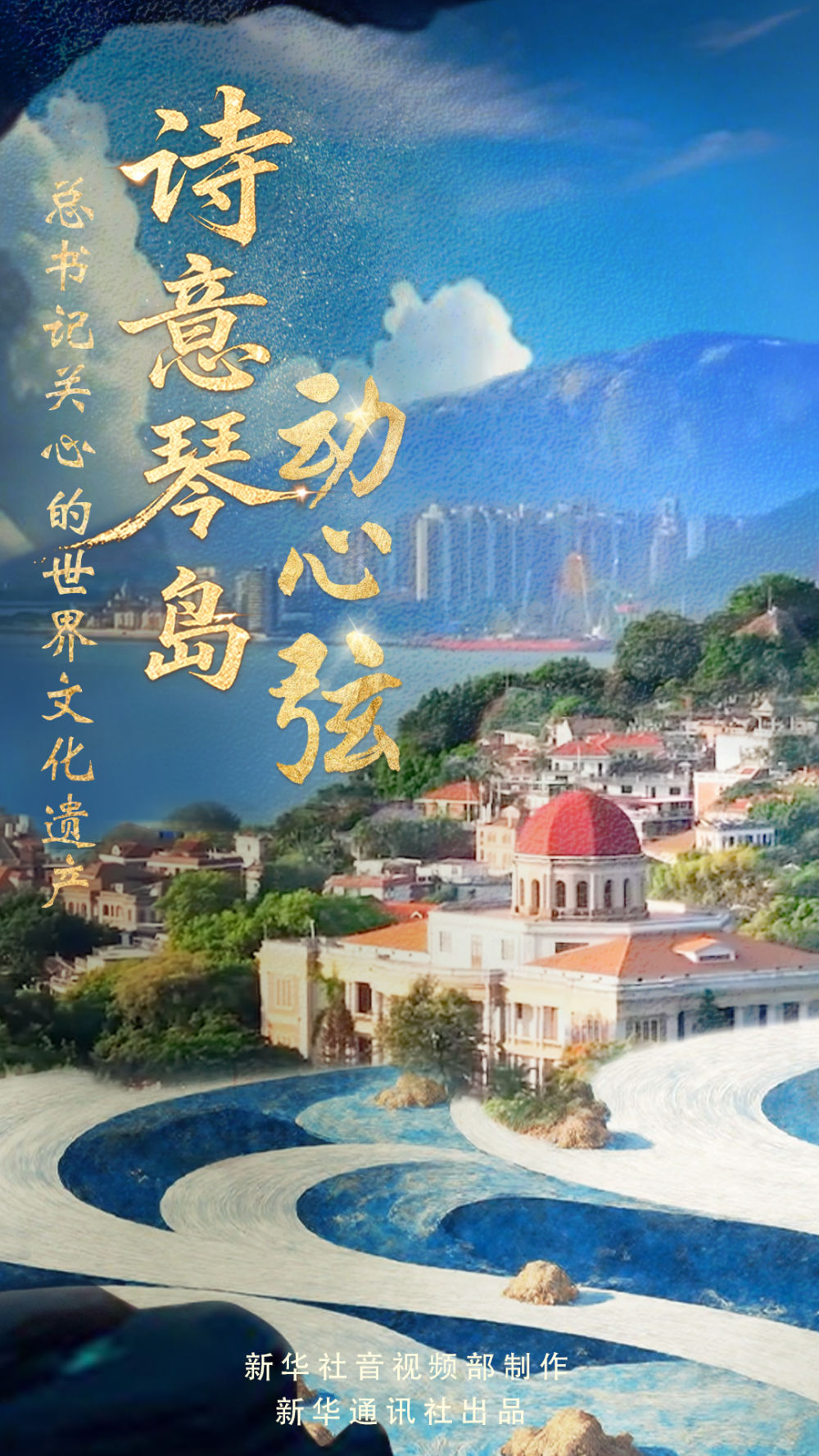
总书记关心的世界文化遗产丨诗意琴岛动心弦
Xin Hua She· 2025-06-13 10:34
Core Viewpoint - Gulangyu Island, recognized as a UNESCO World Heritage site, represents a blend of cultural heritage and historical significance, emphasizing the importance of preserving and promoting its unique architectural and musical identity [2][3]. Group 1: Historical Significance - Gulangyu Island is described as a "window to the world" for ancient China, showcasing a fusion of Eastern and Western cultures [2]. - The island was listed as a UNESCO World Heritage site in 2017, highlighting its status as a historical international community [2]. Group 2: Preservation Efforts - In 1986, significant funding was allocated by then-official Xi Jinping to restore the Bagua Building, a landmark on Gulangyu, which had suffered from neglect [2]. - Xi Jinping emphasized the need for a unified planning approach to protect and develop Gulangyu, recognizing it as a national treasure [2]. Group 3: Cultural Identity - Gulangyu Island is characterized by four main themes: scenic beauty, marine culture, musical heritage, and humanistic elements, which contribute to its unique identity [3]. - The island is referred to as the "Garden on the Sea," "Piano Island," "Hometown of Music," and "Exhibition of International Architecture," reflecting its diverse cultural offerings [3].