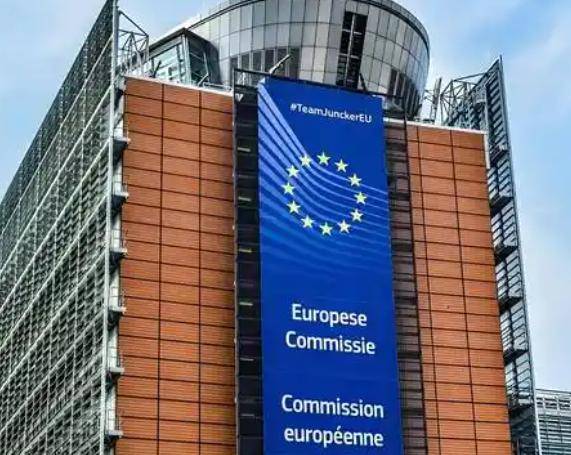
去欧元化

Search documents
普京出手!11国挺进乌克兰,俄向欧洲索赔18.2万亿,开始以牙还牙
Sou Hu Cai Jing· 2025-12-18 12:20
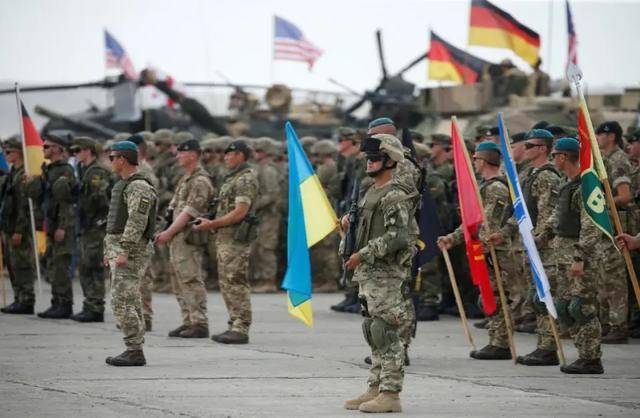
Group 1 - A coalition of 11 European countries has announced the formation of a "multinational force" to enter Ukraine, ostensibly for peacekeeping, but with the underlying goal of expanding the Ukrainian military to 800,000 personnel [8][14][19] - The tasks of this multinational force include assisting in the reconstruction of the Ukrainian military, ensuring airspace security, and enhancing maritime defense capabilities, with the potential for military operations within Ukraine [10][11][17] - Russia has responded by filing a lawsuit against the European Clearing Bank for $229 billion, marking a significant escalation in the financial conflict and indicating a shift from battlefield confrontations to legal and financial arenas [3][13][35] Group 2 - The proposed expansion of the Ukrainian armed forces to 800,000 is seen as a long-term strategy by Europe, indicating a shift from Ukraine as a "buffer state" to a "bridgehead" against Russia [26][28] - The involvement of countries like Finland and Sweden, which have recently accelerated their militarization, suggests a strategic alignment against Russia, potentially increasing pressure on multiple fronts [30][32] - The lawsuit filed by Russia is not merely a legal action but a direct counter to Western financial sanctions, signaling a potential shift in the global financial order and raising concerns about the safety of assets held in Western financial systems [47][69] Group 3 - The ongoing conflict has evolved beyond Ukraine, becoming a broader struggle for control over international order, with Russia's legal actions serving as a warning against unilateral sanctions and financial weaponization [69][71] - The European coalition's military plans may provide temporary stability in Eastern Europe but could also lead to deeper strategic entanglements for the continent [72][74] - The situation remains fluid, with upcoming meetings and court proceedings likely to influence the trajectory of the crisis, determining whether it will de-escalate or spiral into greater chaos [74]

反击正式开启,俄罗斯向欧洲索赔18.2万亿,普京这招太狠了
Sou Hu Cai Jing· 2025-12-18 00:44
Core Viewpoint - The Russian Central Bank has filed a lawsuit against the European Clearing Bank for 18.2 trillion rubles, approximately 230 billion USD, in response to the EU's decision to indefinitely freeze Russian assets, marking a significant confrontation with the Western financial system [1][3][5]. Group 1: Lawsuit Details - The lawsuit seeks not only the return of the frozen principal but also the interest that would have been earned over the past two years [5][12]. - The amount claimed is substantial enough to purchase an entire Tesla company or fund a medium-scale war for ten years [3][5]. Group 2: EU's Actions and Reactions - The EU's recent decision to freeze Russian assets indefinitely, led by Denmark, breaks previous norms that required consensus for such actions [7][9]. - The European Clearing Bank's CEO has warned that this political maneuvering poses a significant systemic risk to the financial system [17]. Group 3: Implications for Global Finance - The actions taken by the EU could undermine the sanctity of central bank reserves, traditionally considered inviolable, leading to a potential breakdown of trust in the global financial order [9][21]. - Countries are beginning to reassess their foreign exchange storage locations, with some moving towards gold or alternative currencies, indicating a long-term trend away from reliance on the Euro and Dollar [23][28]. Group 4: Long-term Consequences - The lawsuit is not merely about financial compensation but aims to highlight the hypocrisy of Western claims regarding the rule of law and contracts [25][26]. - The EU's strategy may provide short-term support for Ukraine but risks eroding its own financial credibility in the long run, potentially leading to a loss of capital inflow and market relevance [30][32].
特讯!俄罗斯宣告:若欧盟没收俄资产将会得到惊喜,言辞引发全球热议
Sou Hu Cai Jing· 2025-12-05 20:06
Core Viewpoint - The European Commission President Ursula von der Leyen proposed using frozen Russian assets to aid Ukraine, which has been interpreted as a significant escalation beyond typical sanctions, directly involving state assets [1][3] Group 1: European Union's Position - The proposed amount for aid to Ukraine has been reduced compared to previous figures, but the fundamental approach of reallocating Russian funds remains unchanged [1] - Belgium is facing significant legal and financial risks as 90% of the frozen assets are held in Brussels, leading to reluctance in supporting the proposal [5] - Hungary and other countries have expressed opposition, highlighting internal divisions within the EU regarding the approach to aid Ukraine while maintaining financial credibility [5] Group 2: Russia's Response - Russia's Foreign Ministry criticized the proposal as "improper," hinting at potential retaliatory measures without specifying them, creating uncertainty about their actions [5][10] - Speculation exists regarding Russia's possible economic retaliation or actions in critical sectors like energy and food, as well as a potential push for global "de-dollarization" and "de-euroization" [10] Group 3: Global Financial Implications - The EU's decision to use frozen Russian assets could undermine the sanctity of property rights and the rule of law, shaking global trust in the Western financial system [6][8] - A decline in confidence in Western currencies like the dollar and euro could lead to increased attractiveness of alternative assets such as the Chinese yuan, UAE dirham, gold, and cryptocurrencies [8] - The ongoing conflict and financial maneuvers may accelerate the diversification of the global financial system, challenging the long-standing dominance of Western financial institutions [8][12] Group 4: Future Uncertainties - The EU faces a dilemma between the urgent need to support Ukraine and the internal discord among member states, which could weaken its unity [8][10] - The potential consequences of reallocating frozen assets could diminish the effectiveness of future sanctions, as countries reassess their asset allocation strategies [10][12] - The ongoing situation represents a critical juncture in international relations, with the potential to leave a lasting impact on the global financial order [12]