
国际金融秩序

Search documents
中国100 亿美元石油债悬了?美媒:委临时政府赖账,特朗普决定是否继续还
Sou Hu Cai Jing· 2026-01-13 07:39
Group 1 - The core issue in Venezuela is how to restructure its economy and repay its massive foreign debt, particularly after borrowing $13 billion from China over the past decade, using oil as collateral [1] - The "oil-for-debt" model has been crucial for Venezuela's survival amid Western financial sanctions and economic crises, but this repayment mechanism is now at risk due to increasing U.S. intervention [1] - The U.S. plans to maintain long-term control over Venezuela's oil industry, including indefinite oversight of its oil exports, with all sales proceeds deposited in U.S.-controlled bank accounts [3] Group 2 - The U.S. is balancing its intervention in Venezuela with the need to avoid direct conflict with China, as it does not rush to push Venezuela into direct default [3] - China has consistently stated that its legitimate rights in Venezuela must be protected, regardless of changes in the political landscape, emphasizing the importance of international law and national sovereignty [3] - The Venezuelan interim government's shift from a hardline stance to a more conciliatory approach towards the U.S. reflects a strategic adjustment rather than complete submission [5] Group 3 - Venezuela's oil debt has become a focal point in the geopolitical struggle, with the U.S. attempting to exploit its oil resources, while China's demand for heavy crude oil remains unaffected by U.S. interference [5] - The increasing supply of heavy crude oil from Canada to China complicates the U.S.'s efforts to maintain its dominance in the region [5] - The U.S. intervention in Venezuela poses a significant challenge to global financial order and the principles of sovereign equality and contract integrity [7]


全球金融要震动?俄资产争议升级,欧盟四国先踩下急刹车!
Sou Hu Cai Jing· 2025-12-23 05:01
Core Viewpoint - The EU's plan to use frozen Russian assets to fund Ukraine is facing collective opposition from several member states, raising uncertainties in the aid process for Ukraine [1][2][4] Group 1: Opposition from Member States - Italy, Belgium, Bulgaria, and Malta have formally warned the EU Commission against using frozen Russian assets for Ukraine, urging the search for legal and compliant alternatives [1][2] - Belgium's government expressed concerns that seizing foreign assets could undermine international trust in the EU's financial system and potentially lead to global capital flight [2] - Italy emphasized the need for the EU to stabilize its financial environment rather than engage in high-risk actions to aid Ukraine [2] Group 2: Alternative Proposals - The four opposing countries suggested that the EU should explore predictable and lower-risk alternatives, such as EU loans or transitional financing mechanisms, to meet Ukraine's urgent needs [2][4] - Despite their opposition to using frozen assets, these countries supported the indefinite freezing of Russian assets in a recent vote, emphasizing that future decisions on asset usage should involve member state leadership [2] Group 3: Broader EU Discontent - The opposition from these four countries reflects a broader division within the EU, with Hungary's Prime Minister labeling the vote as illegal and accusing the EU Commission of systematically violating European law [4] - Slovakia's Prime Minister criticized the EU's military spending for Ukraine, arguing it prolongs the conflict [4] - As of November 2024, EU aid to Ukraine has exceeded 80 billion euros, with rising domestic anti-aid sentiments in some member states due to issues like energy price increases and the influx of over a million refugees [4] Group 4: Russian Response - Russia has reacted strongly, claiming that any seizure of its assets amounts to theft and threatening reciprocal measures [4][6] - The Central Bank of Russia has initiated legal action against Belgium's Euroclear, which holds a significant portion of Russian assets, indicating a prolonged judicial conflict [4] - Russia's spokesperson warned that the EU's actions could destroy trust in the international financial system, with potential retaliatory measures in energy and food sectors [4][6] Group 5: Future Implications - The EU Commission has not yet responded to the warnings from the four countries, but increasing member state divisions and Russia's strong counteractions suggest that the plan to aid Ukraine through frozen assets may not proceed as originally scheduled [6] - The situation surrounding the frozen Russian assets not only impacts Ukraine's economic stability but also poses significant implications for EU unity and the stability of the global financial order [6]

匈牙利警告:欧盟若没收3000亿俄资,俄索赔1.5万亿,欧洲经济恐崩盘!
Sou Hu Cai Jing· 2025-12-18 17:13
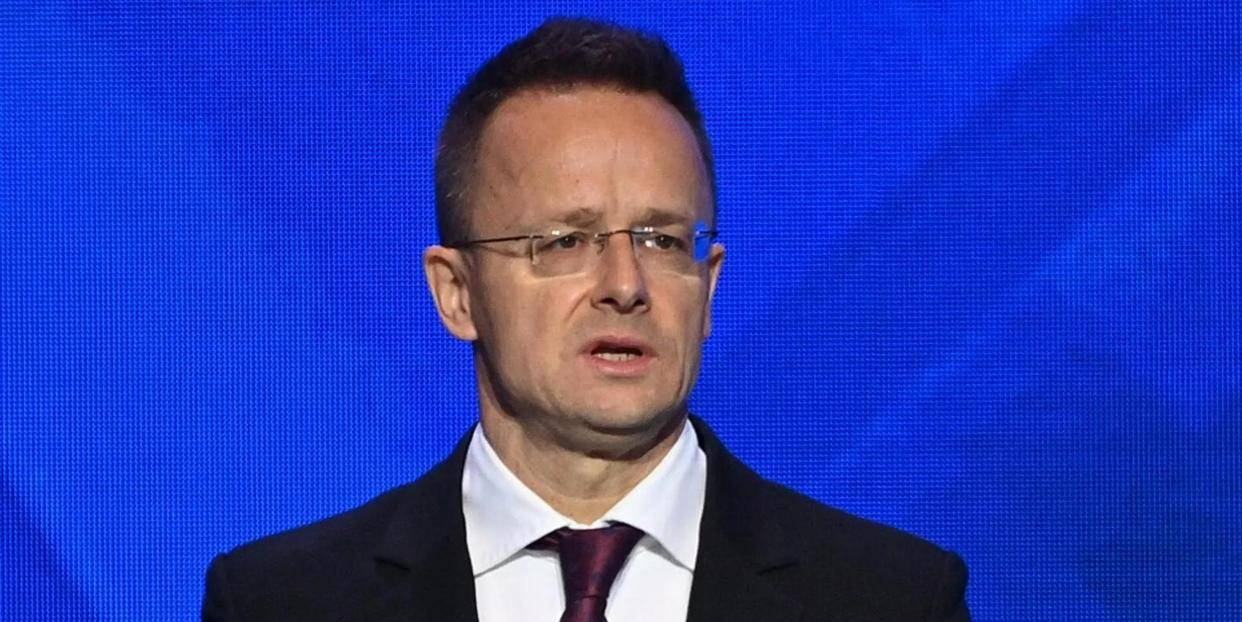
Group 1 - The core argument is that the EU's plan to use frozen Russian assets to support Ukraine could lead to severe economic repercussions for Europe, potentially causing a financial collapse [1][4] - Hungary's Foreign Minister, Szijjarto, warns that if the EU seizes the €300 billion in Russian assets, it would undermine investor confidence in Belgium and the broader EU financial system [4][5] - The EU's internal divisions are evident, with Hungary and other countries opposing the asset seizure, while pro-Ukraine nations like Poland advocate for immediate action [4][5] Group 2 - Russia has initiated legal action against the European Clearing Bank, claiming that the EU is attempting to steal frozen assets, with a compensation demand of approximately 18 trillion rubles (around 1.53 trillion RMB) [8] - The potential consequences of the EU's actions could lead to a significant capital outflow from Europe, exacerbating existing economic challenges such as high inflation and sluggish growth [8][11] - Even if the EU successfully reallocates the funds to Ukraine, the effectiveness of this aid is questionable, as Ukraine faces severe inflation and resource shortages, with much of the aid being directed towards military needs rather than civilian relief [9][11] Group 3 - The EU's push to confiscate assets is seen as a move to maintain its political influence amid declining support from the US, raising concerns about the long-term viability of such actions [11] - The precedent set by the EU in seizing foreign assets could deter future investments in Europe, as countries may reconsider the safety of holding reserves in EU jurisdictions [11]
普京出手!11国挺进乌克兰,俄向欧洲索赔18.2万亿,开始以牙还牙
Sou Hu Cai Jing· 2025-12-18 12:20
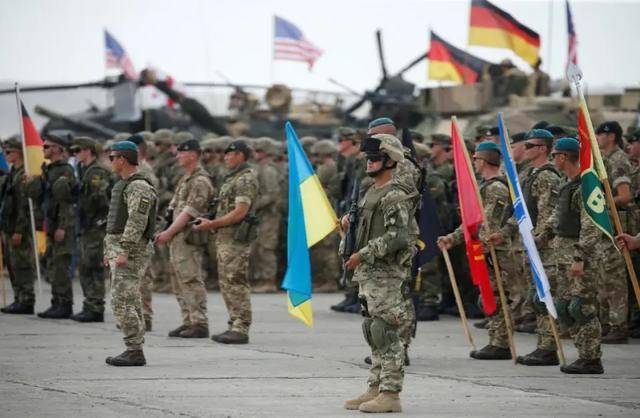
Group 1 - A coalition of 11 European countries has announced the formation of a "multinational force" to enter Ukraine, ostensibly for peacekeeping, but with the underlying goal of expanding the Ukrainian military to 800,000 personnel [8][14][19] - The tasks of this multinational force include assisting in the reconstruction of the Ukrainian military, ensuring airspace security, and enhancing maritime defense capabilities, with the potential for military operations within Ukraine [10][11][17] - Russia has responded by filing a lawsuit against the European Clearing Bank for $229 billion, marking a significant escalation in the financial conflict and indicating a shift from battlefield confrontations to legal and financial arenas [3][13][35] Group 2 - The proposed expansion of the Ukrainian armed forces to 800,000 is seen as a long-term strategy by Europe, indicating a shift from Ukraine as a "buffer state" to a "bridgehead" against Russia [26][28] - The involvement of countries like Finland and Sweden, which have recently accelerated their militarization, suggests a strategic alignment against Russia, potentially increasing pressure on multiple fronts [30][32] - The lawsuit filed by Russia is not merely a legal action but a direct counter to Western financial sanctions, signaling a potential shift in the global financial order and raising concerns about the safety of assets held in Western financial systems [47][69] Group 3 - The ongoing conflict has evolved beyond Ukraine, becoming a broader struggle for control over international order, with Russia's legal actions serving as a warning against unilateral sanctions and financial weaponization [69][71] - The European coalition's military plans may provide temporary stability in Eastern Europe but could also lead to deeper strategic entanglements for the continent [72][74] - The situation remains fluid, with upcoming meetings and court proceedings likely to influence the trajectory of the crisis, determining whether it will de-escalate or spiral into greater chaos [74]
资金告急?欧盟打俄冻结资产主意,俄方警告:深远影响欧洲吃不消
Sou Hu Cai Jing· 2025-12-07 04:56
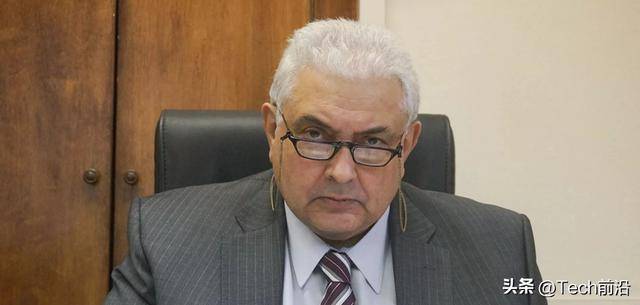
Core Viewpoint - The European Union's proposed funding plan for Ukraine, utilizing frozen Russian assets amounting to €90 billion over the next two years, has sparked significant international attention and controversy, particularly from Russia and within the EU itself [1][2]. Group 1: EU Funding Plan - The EU aims to provide loans to Ukraine, which would eventually be repaid through compensation from Russia [2]. - The plan is a response to increasing pressure on the Ukrainian battlefield and seeks to explore new avenues for support as the U.S. pushes for a conflict resolution under specific conditions [1][6]. Group 2: Russian Opposition - Russian Ambassador to Germany, Sergey Nechayev, has strongly opposed the EU's plan, labeling any use of Russian sovereign assets without consent as theft and warning of severe repercussions for the EU's commercial reputation [1][4]. - Nechayev emphasized that this unprecedented move could lead to a state of legal anarchy and undermine the global financial system, with the EU being the first to suffer [1][6]. Group 3: Internal EU Disagreements - Belgium has expressed significant concerns regarding the potential legal ramifications of utilizing frozen assets, fearing retaliation from Russia and substantial litigation risks [4][5]. - The Belgian government has called for other EU member states to share the associated risks and provide clear guarantees [5]. - German Chancellor Friedrich Merz acknowledged Belgium's concerns and stated that any solution must ensure equal risk-sharing among all European countries [5].
老美把满清旧债又拿出来,逼债8600亿,中国反击让其措手不及
Sou Hu Cai Jing· 2025-11-22 11:37
Core Viewpoint - The article discusses a financial confrontation between the U.S. and China, where U.S. politicians demand China repay historical debts from the Qing Dynasty, specifically the Hubei-Guangdong Railway bonds, as leverage against China's $860 billion in U.S. Treasury holdings [1][5]. Group 1: Historical Context - The Hubei-Guangdong Railway bonds were issued in 1911 by the Qing government, borrowing £6 million from four banks (British, American, French, and German) with a 5% annual interest rate and a 40-year term, secured by salt tax and railway revenues [3]. - After the Qing Dynasty's fall and subsequent political turmoil, interest payments ceased in 1938, and by 1951, the bonds became a historical issue, with U.S. speculators attempting to revive claims in the 1970s [3][5]. Group 2: Current Financial Implications - By 2025, U.S. national debt is projected to exceed $36 trillion, with annual interest payments reaching $475 billion, prompting U.S. politicians to seek historical debts as a means to alleviate domestic financial pressures [5][9]. - China has reduced its holdings of U.S. Treasury bonds from $1.3 trillion in 2013 to $759 billion, which has raised concerns in the U.S. financial sector [5]. Group 3: Legal and Economic Responses - China has countered the U.S. claims by citing international law, specifically the Vienna Convention's Article 34, which states that debts from colonial treaties should not be inherited, and referencing UN documents that declare such debts void after 15 years [7]. - China's economic strategies include increasing gold reserves to 2,192 tons and promoting the use of the renminbi in international trade, with plans for 60% of trade with ASEAN to be settled in renminbi by 2025 [7][11]. Group 4: Global Financial Dynamics - The U.S. approach is seen as hypocritical, as it has previously disregarded its own debts, such as those from the Confederate States and post-Iraq war scenarios, while attempting to enforce historical debts on China [9]. - The push for historical debt repayment may accelerate the trend towards de-dollarization, with countries like Russia and Saudi Arabia opting for renminbi in oil transactions, contributing to a decline in the dollar's share of global foreign exchange reserves to 59%, the lowest in 25 years [9][11]. Group 5: Broader Implications - The situation represents a clash between historical debts and modern international rules, questioning the legitimacy of reviving colonial-era debts while highlighting the need for a fairer global financial order [11]. - China's strategy of reducing U.S. bond holdings and increasing gold reserves, alongside promoting the renminbi, is not only about protecting its interests but also about pushing for a more equitable global financial system [11].

欧洲打算明抢俄罗斯?法国财长公开表态,将利用俄被冻资产援助乌克兰!
Sou Hu Cai Jing· 2025-11-13 20:12
Core Viewpoint - The European Union has decided to utilize frozen Russian assets for loans to Ukraine, marking a significant shift in international financial practices and raising concerns about the implications for global financial trust and future conflicts [1][3][10]. Group 1: Financial Actions and Implications - Western countries have frozen nearly $300 billion of Russian assets, with specific amounts frozen by the US ($5 billion), UK ($58.6 billion), Japan ($33 billion), France ($25.1 billion), and Germany ($5.27 billion) [1]. - French Finance Minister Roland Lescure announced that these frozen funds will be used for military purposes in Ukraine without Russian consent, representing a bold move in international finance [3][5]. - This action could set a dangerous precedent for future international conflicts, as it raises the question of whether other nations might adopt similar practices against assets of adversarial countries [7][8]. Group 2: Historical Context and Comparisons - Historically, while there have been instances of freezing enemy assets, there are few precedents for using those assets for direct military funding [5]. - The article compares the current situation to past events, such as the US freezing Iranian assets during the 1979 hostage crisis, which were eventually returned through negotiation [5]. Group 3: Potential Consequences and Reactions - The decision to use Russian assets could provoke retaliatory actions from Russia, which has already indicated that such actions would be viewed as theft, potentially leading to increased tensions and difficulties in future negotiations [10][12]. - The financial aid of €140 billion, while substantial, is deemed insufficient to significantly alter the military situation in Ukraine or support post-war reconstruction, which is estimated to require between $500 billion to $1 trillion [12]. - The unity among European nations regarding this decision is fragile, as different countries have varying interests and concerns, which could lead to cracks in their collective stance [13][15].
欧盟拿俄资产作抵押,启用2100亿欧元,帮乌克兰再打5年仗
Sou Hu Cai Jing· 2025-10-02 23:44
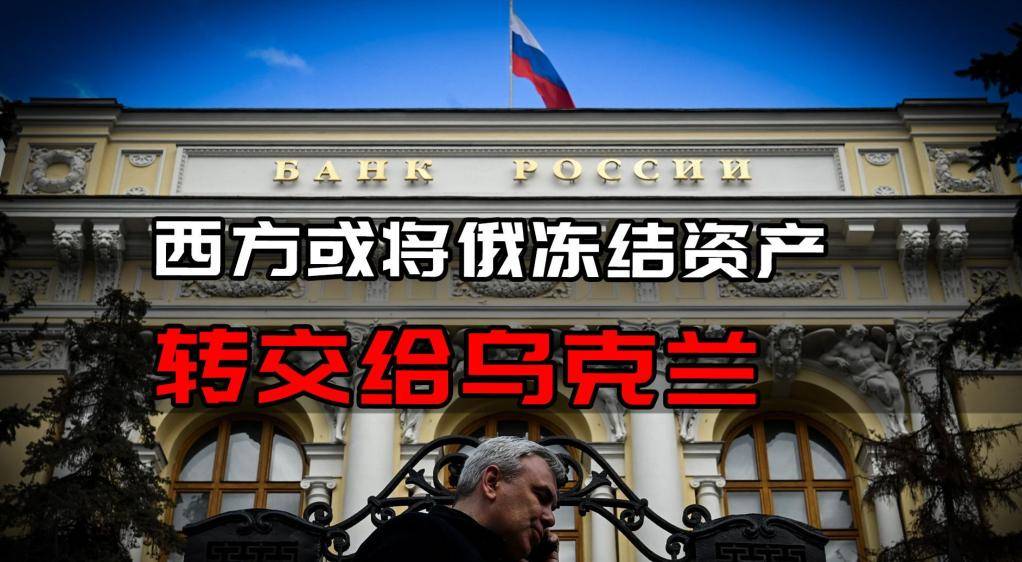
Core Viewpoint - The European Commission has announced a plan to convert frozen Russian central bank assets into a "war fund" for Ukraine, potentially amounting to €210 billion, which could serve as a lifeline for Ukraine over the next five years [1][3][4]. Financial Strategy - Following the escalation of the Russia-Ukraine conflict, Western nations quickly imposed financial sanctions on Russia, freezing approximately $300 billion in overseas assets, with over two-thirds, around €210 billion, held within the EU [4]. - Initially, Europe handled these funds with extreme caution, but as Ukraine's military expenses surged and financial support became uncertain, the EU began considering more aggressive strategies [5][6]. Loan Mechanism - The EU's proposed plan involves using the frozen €210 billion in Russian assets as collateral to issue bonds in the international capital market, aiming to raise up to €140 billion in long-term loans for Ukraine [8]. - This loan is characterized as a "compensation loan," meaning Ukraine will only need to repay it after Russia pays war reparations, effectively shifting the repayment responsibility to Russia [9]. Internal Disagreements - There are significant divisions within the EU regarding this plan, particularly from Belgium, which is concerned about potential legal ramifications and the impact on its status as an international financial center [10]. - Hungary has opposed the plan outright, while Luxembourg expresses caution, fearing threats to financial security. In contrast, Poland and the Baltic states advocate for more radical measures, including the confiscation of Russian assets [12]. Russian Response - The Kremlin has condemned the plan as "theft," warning of severe repercussions and has already taken countermeasures by freezing some Western assets in Russia [14]. Legal and Financial Implications - The plan raises concerns about undermining the principle of sovereign asset immunity, which has been a cornerstone of the modern international financial system [14]. - The EU's approach of framing the action as "temporary use rather than confiscation" attempts to mitigate these concerns, but risks significant financial liabilities if Russia pursues international arbitration [14]. Role of the United States - The U.S. has played a crucial role in pushing for the EU to utilize these frozen assets, despite holding fewer Russian assets itself [15][17]. - U.S. Treasury Secretary Janet Yellen has publicly supported using Russian assets to provide up to $50 billion in aid to Ukraine, highlighting the potential risks to Europe's financial credibility and the shift of international capital towards the U.S. market [17].
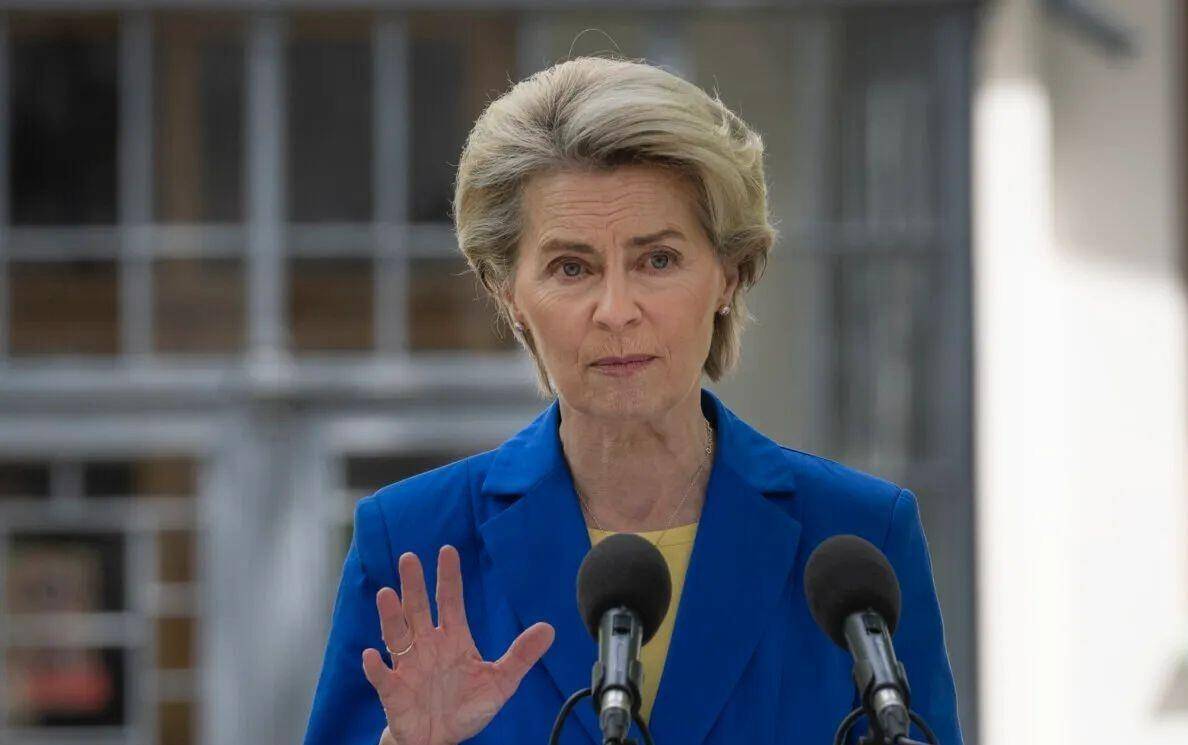
德国终于“松口”!欧盟欲冻结俄资产,乌克兰还能等到救命钱吗?
Sou Hu Cai Jing· 2025-09-21 11:23
Core Viewpoint - The European Union is currently debating how to handle frozen Russian assets, with Germany's Finance Minister Klambauer indicating a willingness to discuss new uses for these assets, potentially breaking the deadlock in the ongoing discussions [1][3]. Group 1: EU's Internal Disagreements - There are significant divisions within the EU regarding the use of frozen Russian assets, with Eastern European countries advocating for the use of these funds to support Ukraine, while Germany, France, and Italy express concerns about the potential long-term impacts on international financial credibility [3][5]. - Germany's recent stance suggests a shift towards finding a consensus among EU members, indicating a desire to address the issue collaboratively rather than unilaterally [3][10]. Group 2: Risks and Reactions - Russia has warned that if the EU decides to use the principal of the frozen assets, it may retaliate against European companies operating in Russia and could disrupt energy supplies, raising concerns among EU member states reliant on Russian energy [5][8]. - The uncertainty surrounding U.S. support for Ukraine adds another layer of complexity, as a reduction in American aid could force the EU to shoulder more responsibility for Ukraine's financial needs [7][10]. Group 3: Legal and Financial Considerations - The EU's plans for utilizing the frozen assets remain incomplete, with legal implications and the need to maintain international financial order being critical factors in the decision-making process [8][10]. - Germany's proposal could lead to more flexible solutions, such as phased withdrawals or the establishment of dedicated mechanisms, but these must balance Ukraine's needs with the EU's long-term financial stability [8][10].
“广场协议”四十载辛酸未解
Jing Ji Ri Bao· 2025-09-20 22:13
Core Insights - The article discusses the significance of the Plaza Accord, a pivotal agreement signed in 1985 by finance ministers and central bank governors from the US, France, West Germany, Japan, and the UK, aimed at depreciating the strong US dollar to improve American export competitiveness [1][2]. Economic Context - In the 1980s, the US faced a massive trade deficit, with significant job losses in traditional industries like automotive and steel, prompting the government to seek a solution through currency intervention [2]. - The strong dollar was beneficial for consumers but detrimental to exporters, leading to a record trade deficit as US products struggled against the competitive pricing of Japanese and German goods [2]. Immediate Effects - Following the signing of the Plaza Accord, the global financial markets experienced significant volatility, with the dollar depreciating sharply and the Japanese yen and German mark appreciating [3]. - The rapid appreciation of the yen severely impacted Japan's export competitiveness, leading to expansive monetary policies that inflated asset prices, particularly in real estate and stock markets [3]. Long-term Consequences - Japan's economic bubble, fueled by the Plaza Accord, eventually burst in the early 1990s, leading to a prolonged economic stagnation known as the "Lost Decade" [3]. - In contrast, Germany managed to avoid similar pitfalls by implementing strict economic controls and benefiting from the reunification process, which led to a more stable economic environment [5]. Strategic Implications - The Plaza Accord allowed the US to alleviate some economic pressures while shifting the burden onto its allies, particularly Japan, which faced the adverse effects of the agreement [5][6]. - The agreement is viewed as a catalyst for Europe to consider monetary independence, ultimately leading to the establishment of the euro [5]. Historical Significance - The Plaza Accord is regarded as a turning point in international finance, symbolizing the interplay between economic policy and geopolitical strategy, and serves as a cautionary tale about the risks of currency manipulation [6].