
去殖民化

Search documents
为去殖民化,英国建筑师雕像被印度政府移除
Huan Qiu Shi Bao· 2026-02-23 22:43
Group 1 - The core viewpoint of the articles is that India is actively removing symbols of colonialism, exemplified by the unveiling of a statue of India's first Governor-General, Lord Canning, which replaces a statue of British architect Edwin Lutyens [1][2] - Prime Minister Modi emphasized that India is discarding the external manifestations of slavery and beginning to value symbols related to its own culture [1] - The removal of Lutyens' statue is part of a broader trend in India to eliminate remnants of colonial influence, which includes changes to military insignia and the renaming of significant roads [2] Group 2 - The term "Lutyens Delhi" has evolved into a political label representing an elite group perceived to be disconnected from the common Indian populace, which adds a layer of political significance to the statue's removal [1] - Public reactions to the statue's removal are mixed, with some supporting the move while others criticize it as superficial, suggesting that focus should be on current and future developments rather than erasing colonial history [2] - Critics, including some British commentators, argue that the Modi government's actions may be more about political posturing than genuine reform [2]
【环时深度】毛里求斯:从“印度洋钥匙”到“发展典范”
Huan Qiu Shi Bao· 2026-01-21 22:56
Core Viewpoint - The strategic significance of the Indian Ocean region, particularly Mauritius, is highlighted through recent diplomatic visits and its role as a key player in global trade and geopolitics [1][2]. Group 1: Geopolitical Importance - Mauritius is referred to as the "key to the Indian Ocean," attracting attention from major powers like France and India due to its strategic location and historical ties [2][7]. - The island's geopolitical relevance is underscored by its historical colonial past and ongoing territorial disputes, particularly regarding the Chagos Archipelago, which remains under British control [4][5]. Group 2: Economic Development - Mauritius has transitioned from a sugar-dependent economy to a diversified one, with key sectors including manufacturing, financial services, tourism, and information technology, leading to what is termed the "Mauritius Miracle" [8]. - The GDP of Mauritius is projected to be approximately $14.044 billion in 2024, with a per capita GDP exceeding $11,700, positioning it among the top economies in Africa [8]. Group 3: Diplomatic Relations - Mauritius maintains a pragmatic foreign policy, engaging in selective cooperation with multiple countries, including France, India, and the United States, to balance its geopolitical interests [7][10]. - The country has established strong economic ties with China, benefiting from infrastructure projects and technology transfer, which are crucial for its development goals [10][12]. Group 4: Cultural and Human Exchange - Tourism serves as a vital cultural link between Mauritius and China, with initiatives aimed at attracting Chinese tourists and promoting cultural exchanges through film and other media [11][12]. - The collaboration extends beyond tourism to include technology and environmental cooperation, particularly in addressing climate change challenges faced by the island nation [12].
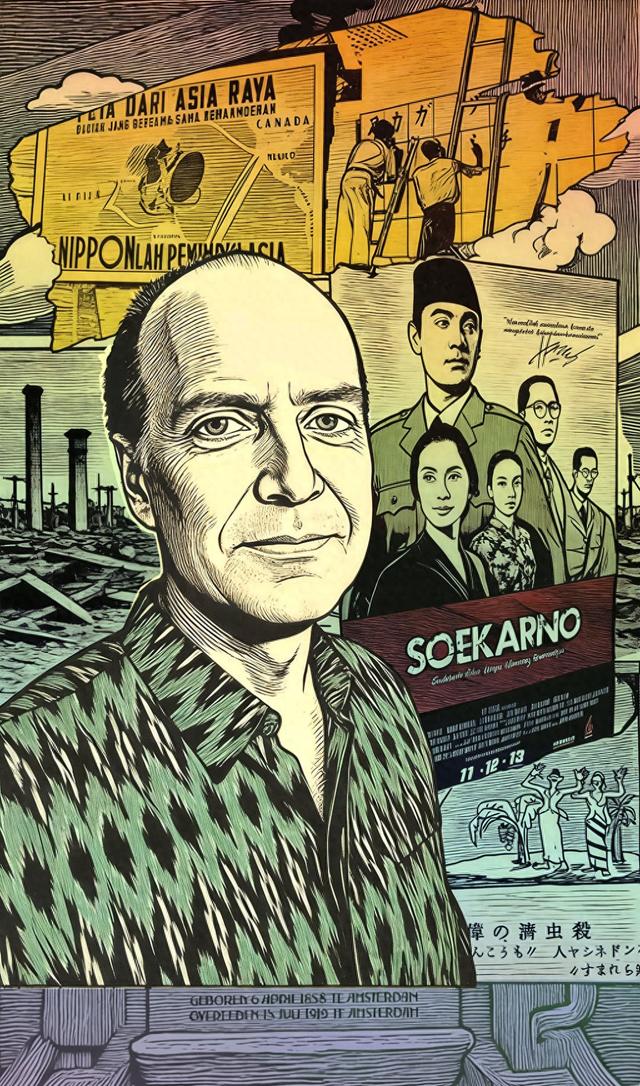
伊森·马克谈日本占领爪哇、荷兰殖民帝国与二战史的去殖民化
Xin Lang Cai Jing· 2025-12-28 01:56
Group 1 - Ethan Mark is an associate professor at Leiden University focusing on the history of Japanese imperialism and the socio-cultural history of the 20th century, particularly during the 1920s to 1940s [2][3] - His groundbreaking book, "Japan's Occupation of Java in the Second World War: A Transnational History," published in 2019, offers a complex cultural encounter perspective on Japan's occupation of Java, revealing its long-lasting impact on Javanese society [2][3] - Mark actively engages in public discussions reflecting on the legacy of the Dutch colonial empire and advocates for placing World War II history within the contexts of globalization and decolonization to challenge Eurocentrism [2][3] Group 2 - Mark's research delves into the intricate relationships between Indonesian anti-colonial nationalism, the racial order in the Dutch East Indies, and the complex ties between Chinese communities and Indonesian nationalism [3][10] - He highlights the rise of Indonesian nationalism in the early 20th century, which was influenced by global nationalist movements and characterized by tensions between Indonesians and Chinese communities due to colonial policies [10][11] - The Dutch colonial regime's oppressive measures in the 1920s and 1930s, coupled with the economic competition from Japanese merchants during the Great Depression, initially led many Indonesians to welcome the Japanese invasion in 1942, hoping for prosperity and friendly relations [11][12] Group 3 - The transformation of Indonesian perceptions of Japan during the occupation was gradual and complex, marked by contradictions in Japanese propaganda and actions, such as the initial promotion of Indonesian nationalism followed by its suppression [12][13] - Mark emphasizes that there was no single turning point in Indonesian attitudes towards Japan; rather, it was a continuous process of disillusionment influenced by various events and propaganda [12][14] - The Japanese occupation was marked by a tension between the harsh realities of military rule and the initial hopes for liberation from Dutch colonialism, leading to a complicated relationship where some Indonesian elites chose to collaborate with the Japanese despite the occupation's brutality [15][16] Group 4 - Mark discusses the appeal of Japanese "Pan-Asianism" to Indonesian nationalists, who saw it as a way to oppose Western imperialism without engaging in radical social revolution, thus presenting a conservative revolutionary perspective [16][17] - The Japanese propaganda efforts in Java involved cultural elites who produced high-quality materials that resonated with Indonesian audiences, despite the underlying hypocrisy of their messages [17][19] - The gradual disillusionment with Japanese rule was compounded by the realization that Japan's promises of independence were not being fulfilled, leading to increased resentment among Indonesian nationalists [19][21] Group 5 - Mark critiques the Dutch narrative of World War II, which often frames the conflict as a victimization story, neglecting the colonial context and the perspectives of colonized peoples like Indonesians [21][22] - He highlights the importance of remembering the colonial legacy in understanding contemporary Dutch and Indonesian societies, emphasizing that the Dutch often fail to acknowledge their imperial past [22][23] - The ongoing political discourse in the Netherlands reflects a struggle with colonial nostalgia and the need for a more critical engagement with the history of colonialism and its impacts [31][32]

“殖民手段的重演” 委内瑞拉再批美在加勒比地区军事部署
Yang Shi Xin Wen· 2025-10-12 17:57
Core Viewpoint - Venezuela is emphasizing its sovereignty and peace in response to external pressures, particularly criticizing the U.S. military presence in the Caribbean as a form of colonialism [1] Group 1: Government Actions and Statements - Venezuelan Defense Minister Padrino Lopez highlighted the need to confront external pressures with a stance of sovereignty and peace, specifically targeting U.S. military deployments in the Caribbean [1] - President Maduro called on citizens to participate in commemorative marches, stressing the importance of remembering the strength and wisdom of indigenous peoples while reaffirming commitments to decolonization and social equity [1] - The Bolivarian National Armed Forces (FANB) paid tribute to indigenous leaders on the commemorative day and reiterated their opposition to U.S. military presence in the Caribbean, labeling it a "reiteration of colonial methods" [1] Group 2: U.S.-Venezuela Relations - Relations between Venezuela and the U.S. have been increasingly tense, particularly since early September when the U.S. deployed multiple warships near Venezuela under the pretext of combating drug trafficking in Latin America [1] - President Maduro accused the U.S. of attempting to instigate regime change in Venezuela through military threats and expanding its military presence in Latin America [1]
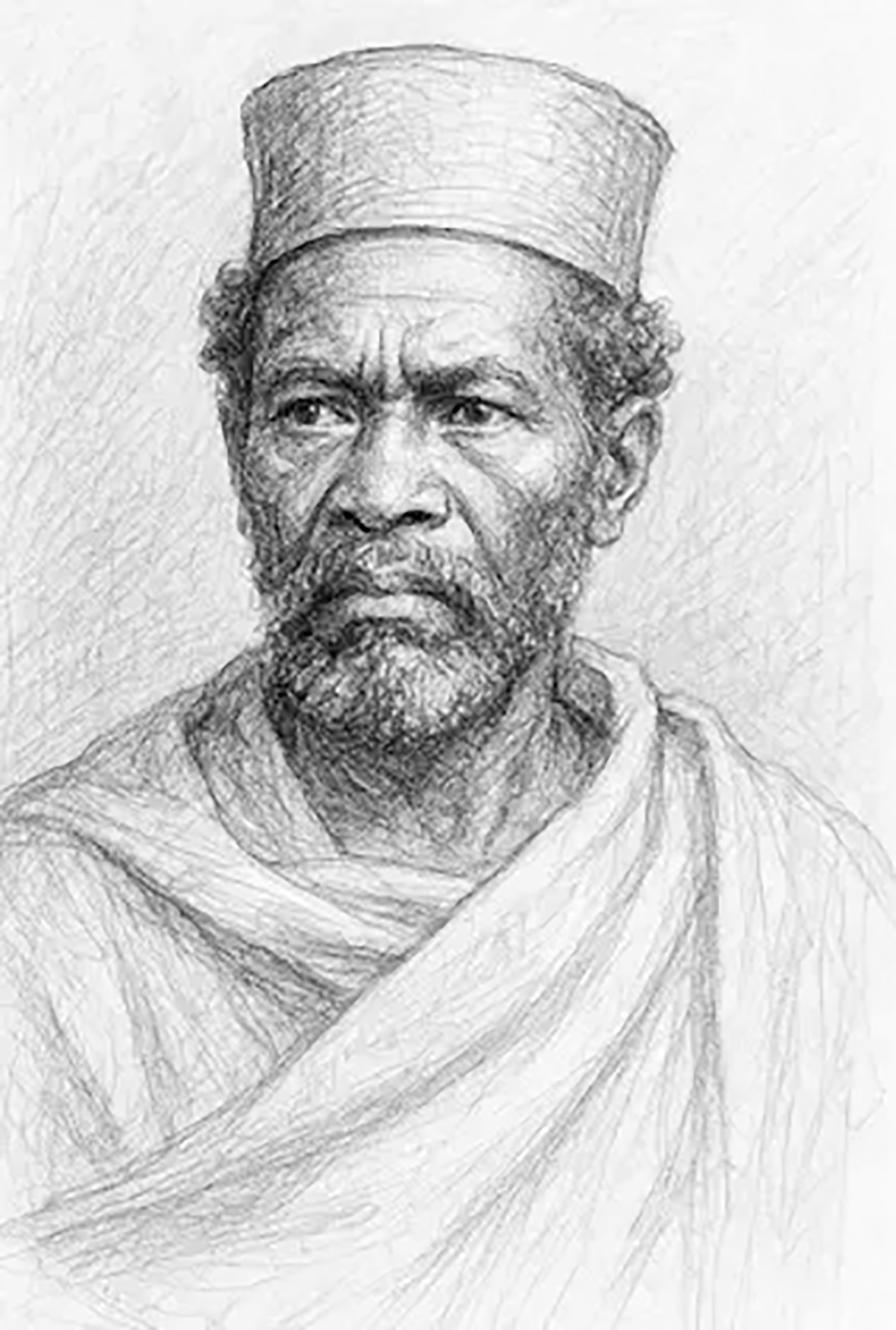
【史海回眸】国王头骨归乡,揭开马达加斯加黑暗殖民史
Huan Qiu Shi Bao· 2025-09-18 22:40
Core Viewpoint - The French government has returned three human skulls, including that of King Toera of the Sakalava Kingdom, to Madagascar, highlighting the brutal colonial history of France in the region [1][4]. Historical Context - France invaded Madagascar in 1883, forcing the Imerina Kingdom to sign an unequal treaty, and subsequently re-invaded in 1894, leading to Madagascar becoming a French colony in 1896 [4]. - King Toera expressed a desire for peace talks with French forces in 1897, but was killed in a surprise attack, with his head being severed and taken to France as a trophy [4][5]. Colonial Impact - Following Toera's death, Madagascar was transformed into a raw material supplier for France, with forced cultivation of cash crops leading to food shortages [5]. - The French colonial authorities implemented forced labor systems, resulting in high mortality rates among local workers, and imposed heavy taxes that exacerbated poverty [5]. - Cultural assimilation policies marginalized local languages and education, aiming to create a workforce for the French economy [5]. Resistance and Independence - Despite colonial oppression, resistance movements emerged, culminating in a significant uprising in 1947, which, although suppressed, marked the rise of nationalism [5]. - Madagascar gained autonomy in 1958 and achieved full independence on June 26, 1960, commemorating the sacrifices of its ancestors, including King Toera [6]. Recent Developments - In 2023, France passed a law allowing the return of human remains taken during the colonial period, with Toera's skull set to be returned by 2025 [6].
新华时评丨全球南方:走出精神自立、文化自信的发展新路
Xin Hua She· 2025-09-07 16:56
Group 1 - The report titled "Ideological Colonialism - The Means, Roots, and International Hazards of America's Cognitive Warfare" was released at the 2025 Global South Media Think Tank Forum, highlighting the historical context and new trends of cognitive warfare conducted by the United States [1] - The report emphasizes the need for global South countries to recognize the dangers of ideological colonialism and to reclaim cultural sovereignty as a means to achieve true decolonization [1][2] - It argues that cultural confidence is fundamental for national strength, urging developing countries to reassess their history and culture to establish a strong sense of identity and confidence [2] Group 2 - The report advocates for the importance of cultural exchange and mutual learning among civilizations, stating that no civilization exists in isolation and that respect for different cultures is essential for human progress [3] - It calls for global South countries to maintain their cultural roots, assert their autonomy, and foster cooperative efforts to shine on the world stage and contribute to a new chapter in human civilization [3]