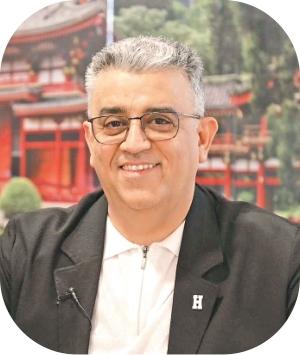
文明交流互鉴

Search documents
“拥抱属于全人类的共同文化遗产”
Ren Min Ri Bao· 2026-02-25 00:37
Group 1 - The celebration of the Chinese New Year in Baghdad, organized by the Iraq-China Friendship Association, aims to promote cultural exchange and understanding between the two civilizations [2][3] - The event highlights the significance of the Spring Festival as a cultural bridge connecting China with the world, embodying the spirit of peace, cooperation, and mutual learning [2][3] - The association's president, Haider Rubai, emphasizes the importance of cultural activities in fostering a dialogue between the two nations and enriching their relationship [2][3] Group 2 - The Spring Festival is seen as a reflection of the values of peace, harmony, and family unity inherent in Chinese civilization, providing an opportunity for people from different countries to engage with Chinese culture [3] - Iraq has been hosting Spring Festival celebrations for many years, attracting both local citizens and expatriates, reinforcing Baghdad's role as a multicultural hub [3] - The Iraq-China Friendship Association aims to strengthen cultural exchanges and cooperation, viewing cultural dialogue as the foundation for bilateral relations [3]

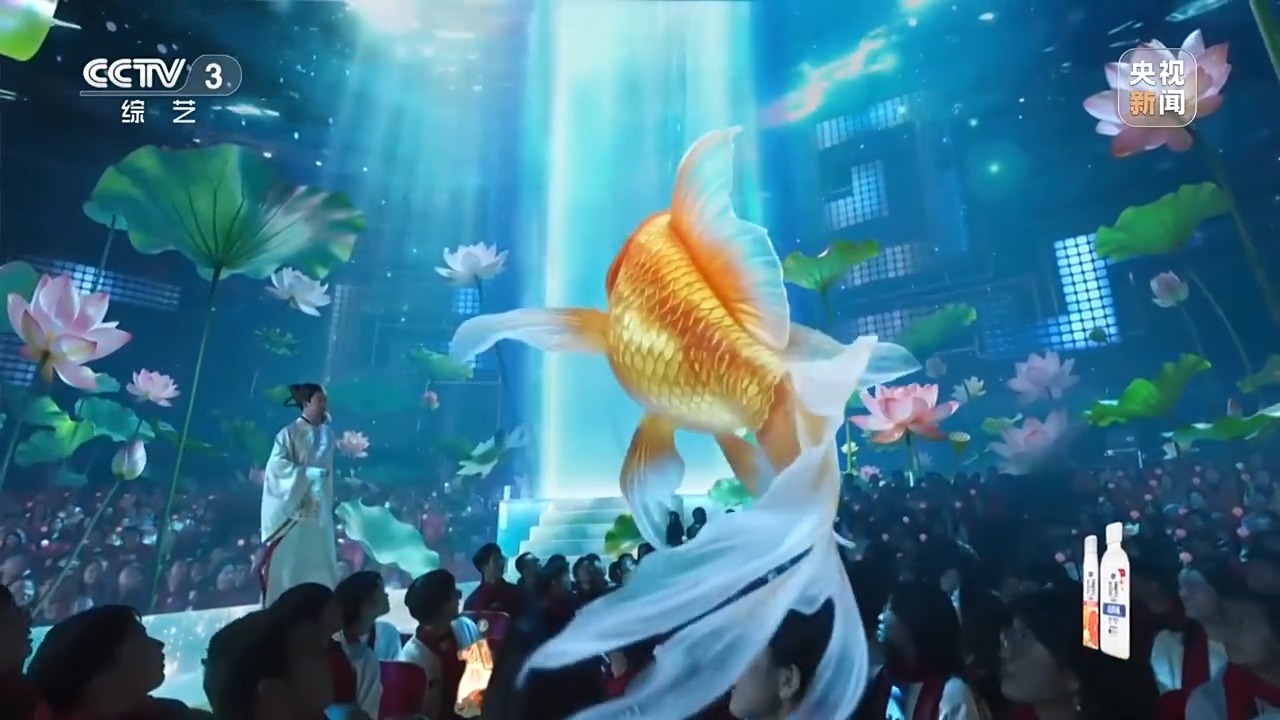
视频丨极致东方美学!揭秘春晚节目《贺花神》创作过程
Xin Lang Cai Jing· 2026-02-23 03:12
Core Concept - The 2026 Spring Festival Gala will feature a creative singing show titled "He Hua Shen," inspired by the concept of the Twelve Flower Gods, showcasing Chinese philosophy of nature and life through a blend of historical figures, visual technology, and traditional aesthetics [1][3][41]. Group 1: Program Inspiration and Concept - The show draws inspiration from a jade ornament in the Palace Museum, which features twelve floral patterns and embodies ancient Chinese wisdom regarding seasonal changes and natural observation [7][9]. - Each of the twelve historical figures represents a flower, symbolizing not only beauty but also cultural values and virtues, with a focus on themes like civilization exchange and female empowerment [9][11]. Group 2: Creative Process and Challenges - The creative team faced significant challenges in transforming the concept into a cohesive performance within a limited timeframe, requiring innovative approaches to integrate diverse cultural elements and modern aesthetics [11][13]. - The collaboration between lyricist and composer involved intense discussions to ensure the music and lyrics resonated with traditional poetry while maintaining a contemporary feel [13][15]. Group 3: Visual and Technical Execution - The visual presentation of "He Hua Shen" will utilize cutting-edge AIGC technology to create immersive scenes that reflect the changing seasons and the essence of the Twelve Flower Gods [33][35]. - The production team is focused on achieving high-quality visual effects that meet 4K broadcast standards, involving complex technical challenges and innovative solutions [36][41]. Group 4: Costume and Makeup Design - Costume design is rooted in historical accuracy, with extensive research into ancient patterns and materials to create authentic representations of the flower gods [18][19]. - Makeup design aims to encapsulate traditional Chinese aesthetics, enhancing the characters' visual appeal while reflecting their cultural significance [23][25]. Group 5: Overall Impact and Significance - The show is positioned as a highlight of the Spring Festival Gala, aiming to present a visual and auditory spectacle that encapsulates the essence of Chinese culture and philosophy [41].
骁行万里 四海同春
Xin Lang Cai Jing· 2026-02-22 23:05
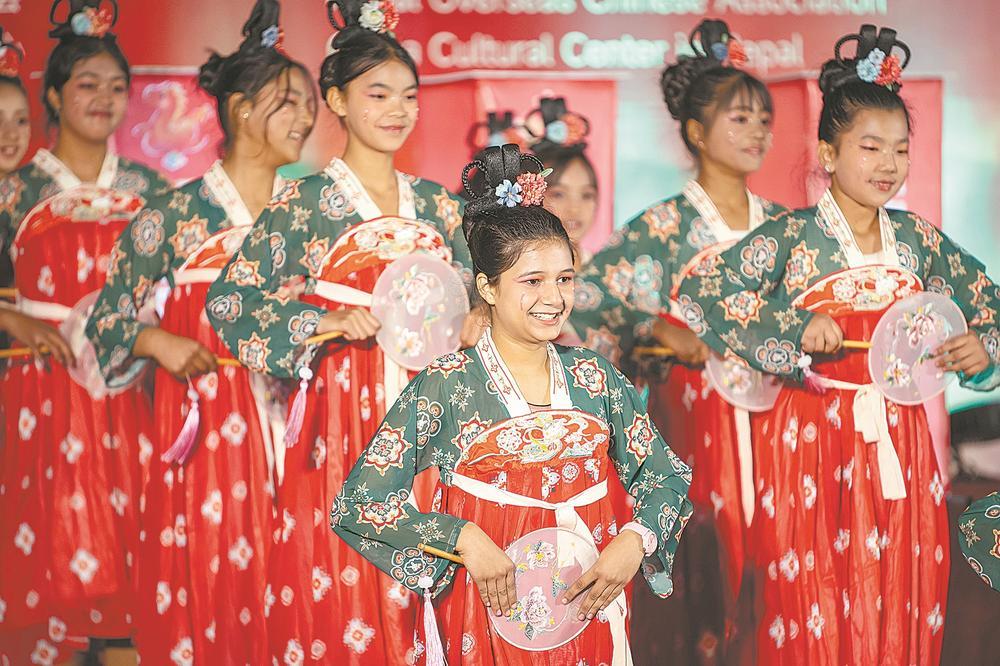
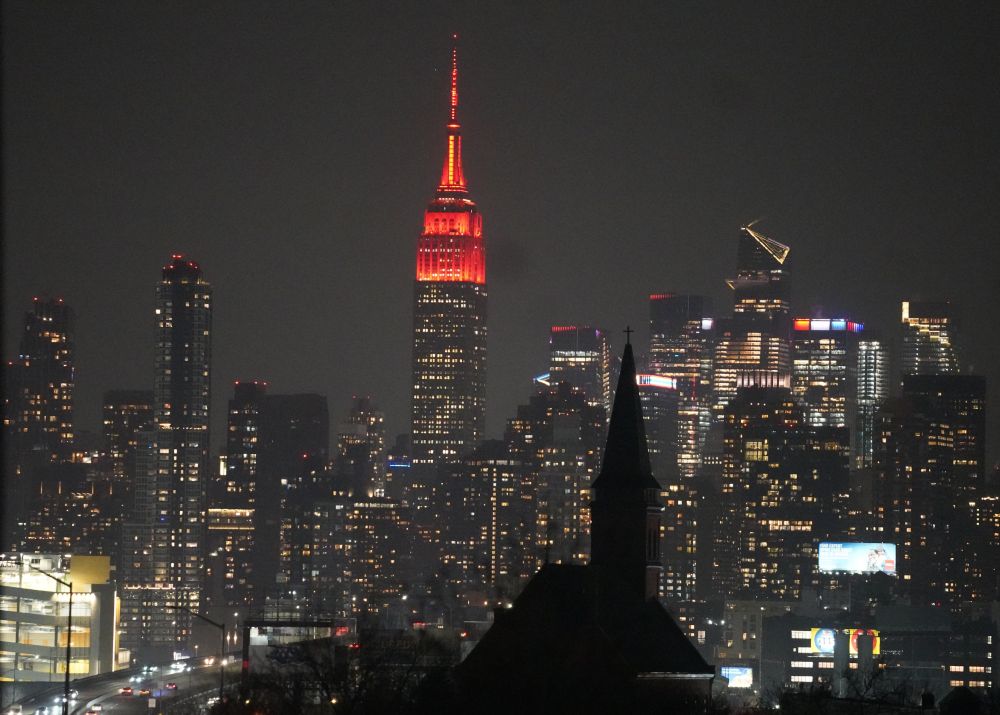
Core Viewpoint - The global celebration of the Chinese New Year has evolved into an international event, showcasing Chinese culture and fostering connections between China and the world [7][8]. Group 1: Global Celebrations - Various countries are celebrating the Chinese New Year with cultural performances, such as Chinese dance in Nepal and dragon dances in Argentina [5][7]. - Iconic landmarks around the world, including the Empire State Building in New York and the Sydney Opera House, are illuminated in "Chinese red" to mark the occasion [8]. - The issuance of zodiac stamps for the Year of the Horse by multiple countries reflects a blend of cultural elements, showcasing the global appreciation of Chinese traditions [8]. Group 2: Cultural Exchange - Traditional Chinese performances, such as Sichuan opera and shadow puppetry, are captivating audiences in countries like Hungary and Finland [8][9]. - Collaborative musical performances between Chinese and local artists in countries like Indonesia and Cuba highlight the integration of Chinese culture into diverse musical contexts [9]. - The celebration of the Chinese New Year is increasingly recognized as a global cultural symbol, transcending geographical boundaries and enhancing China's influence worldwide [9]. Group 3: Technological Integration - Virtual reality experiences showcasing Chinese cultural heritage, such as the Terracotta Army, are attracting significant interest in countries like Jordan [10][11]. - The incorporation of modern technology, including AI and robotics, into traditional celebrations demonstrates the innovative spirit of Chinese culture [11]. - Events in various countries, such as the use of robots at the UN headquarters, illustrate the fusion of tradition and modernity in celebrating the Chinese New Year [11]. Group 4: Cultural Values and Ideals - The Chinese New Year embodies values of harmony, family unity, and social inclusiveness, resonating with people across different cultures [14][15]. - The celebration promotes mutual understanding and friendship between nations, as highlighted by comments from leaders in various countries [15]. - The significance of the New Year as a time for renewal and hope is universally acknowledged, reinforcing its role as a shared cultural heritage [14][15].
着力加强文化科技人才培养
Xin Lang Cai Jing· 2026-02-22 17:58
Group 1 - The core idea emphasizes the importance of cultural and technological talent in building a culturally strong nation, as outlined in the strategic goals set by the Chinese Communist Party for 2035 [1][2][3] - Cultural and technological talent is defined as high-quality, innovative individuals who possess strong political, cultural, and technological capabilities, essential for the new era of cultural development [1][2] - The integration of culture and technology is accelerating, necessitating a large, well-structured, and innovative talent pool to support cultural innovation and development [1][4] Group 2 - Cultural and technological talent plays a crucial role in promoting ideological work and strengthening the socialist ideology, which requires both theoretical research and practical application [2][3] - The development of cultural industries relies on cultural and technological talent to enhance the value creation in modern service sectors, which is a key indicator of national economic strength [3][4] - Cultural and technological talent is vital for international cultural exchange, enhancing China's global influence through participation in international platforms and cooperation [3][4] Group 3 - Strengthening the cultivation of cultural and technological talent is essential, requiring a supportive ecosystem that facilitates organized connections, entrepreneurial platforms, and educational support [4][5] - The leadership of the Communist Party is fundamental in ensuring the effective cultivation of cultural and technological talent, integrating them into national talent frameworks [5][6] - Policy support from various governmental departments is crucial for fostering cultural and technological talent, including financial and infrastructural incentives for cultural projects [5][6] Group 4 - Education and training are foundational for cultivating cultural and technological talent, necessitating a multi-level educational system that aligns with market demands [6][7] - International exchange is an important avenue for talent development, promoting a cycle of self-cultivation and global collaboration in cultural and technological fields [6][7]
骁行万里 四海同春——世界在马年春节感受中国文化魅力
Xin Hua Wang· 2026-02-22 08:26
Core Viewpoint - The global celebration of the Spring Festival has evolved into an international event, showcasing Chinese culture and fostering connections between China and the world [1]. Group 1: Global Celebrations - Major landmarks worldwide, including the Empire State Building in New York and the Sydney Opera House, were illuminated in red to celebrate the Spring Festival [2][7]. - Various countries issued special stamps for the Year of the Horse, blending local cultural elements with Chinese traditions [4]. - Traditional Chinese performances, such as Sichuan opera and shadow puppetry, captivated audiences in countries like Hungary and Finland [5]. Group 2: Cultural Exchange and Technology - The integration of modern technology into cultural celebrations was highlighted, with VR experiences allowing participants to engage with Chinese heritage [6]. - Robots and AI were showcased at events, demonstrating China's innovative spirit while celebrating the festival [8][9]. - Collaborative cultural events took place along the Belt and Road Initiative, enhancing cross-cultural interactions [10]. Group 3: Shared Values and Global Impact - The Spring Festival symbolizes shared values of harmony, family, and prosperity, resonating with people across different cultures [12][13]. - The festival has become a symbol of global cultural heritage, promoting understanding and friendship between nations [12][13]. - The essence of the Spring Festival reflects a collective aspiration for a better future, emphasizing cooperation in addressing global challenges [12].
特稿|骁行万里 四海同春——世界在马年春节感受中国文化魅力
Xin Hua She· 2026-02-22 07:46
Core Viewpoint - The Spring Festival has evolved into a global celebration, showcasing Chinese culture and fostering connections between China and the world, as highlighted by various international events and activities [1][12]. Cultural Exchange - The Spring Festival is increasingly recognized as a shared global festival, with celebrations occurring in diverse locations such as Helsinki, Cape Town, and Vientiane, reflecting the richness of Chinese culture [1]. - Iconic landmarks worldwide, including the Empire State Building in New York and the Sydney Opera House, were illuminated in red to celebrate the Spring Festival, symbolizing a collective global acknowledgment of this cultural event [2][7]. Philatelic Celebrations - Several countries, including Fiji and Malta, issued special stamps for the Year of the Horse, blending local cultural elements with Chinese traditions, showcasing the integration of different cultures [3]. Performances and Art - Traditional Chinese performances, such as Sichuan opera and shadow puppetry, captivated audiences in various countries, demonstrating the appeal of Chinese cultural heritage [3][16]. - In Paris, a robot performance was featured alongside traditional lion and dragon dances, illustrating the fusion of modern technology with traditional celebrations [8]. Technological Integration - Virtual reality experiences showcasing Chinese cultural heritage, such as the Terracotta Army, attracted significant interest in Jordan, highlighting the role of technology in cultural exchange [6]. - AI and robotics were incorporated into celebrations, with interactive performances at events like the UN headquarters, emphasizing China's innovative contributions to cultural festivities [9][11]. Global Impact - The Spring Festival has transcended geographical boundaries, becoming a symbol of cultural exchange and mutual understanding, as noted by various international commentators [12][15]. - The festival's themes of renewal, family unity, and social harmony resonate globally, reinforcing its significance as a cultural heritage shared by humanity [14][15].
骁行万里,四海同春——世界在马年春节感受中国文化魅力
Xin Lang Cai Jing· 2026-02-22 05:32
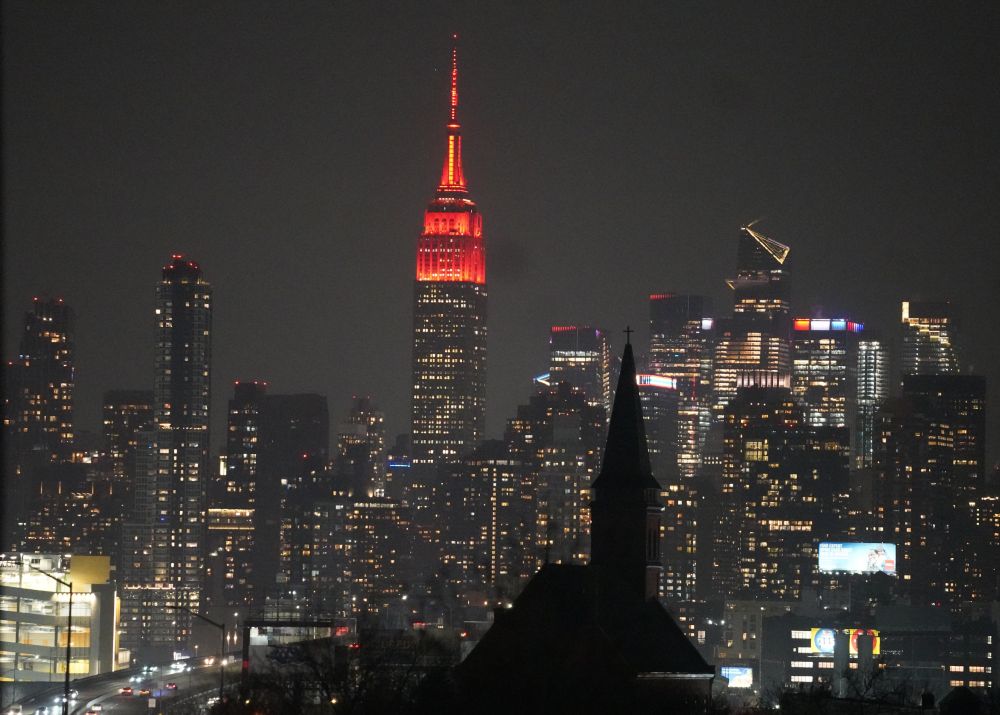
Core Viewpoint - The celebration of the Spring Festival has evolved into a global cultural event, showcasing Chinese culture and fostering connections between China and the world [1][5][14]. Group 1: Global Celebrations - The Spring Festival is celebrated worldwide, with landmarks in various countries illuminated in "Chinese red" to mark the occasion, including the Empire State Building in New York and the Sydney Opera House in Australia [1][5]. - Many countries have issued Year of the Horse stamps, blending local cultural elements with Chinese traditions, such as Fiji's joint stamp with China and Malta's incorporation of silk and lace designs [3][5]. - Traditional Chinese performances, such as Sichuan opera and shadow puppetry, have captivated audiences in countries like Hungary and Finland, highlighting the global appreciation for Chinese cultural heritage [3][5]. Group 2: Technological Integration - Virtual reality experiences showcasing Chinese cultural artifacts, like the Terracotta Army, have become popular in places like Jordan, demonstrating the integration of modern technology with traditional celebrations [6][11]. - Innovative technologies, including AI and robotics, have been featured in Spring Festival events, such as performances at the United Nations and parades in Paris, emphasizing the blend of tradition and modernity [8][10]. Group 3: Cultural Exchange and Understanding - The Spring Festival serves as a platform for cultural exchange, promoting mutual understanding and cooperation between nations, as seen in collaborative events along the Belt and Road Initiative [11][16]. - The festival's themes of renewal and harmony resonate globally, with leaders from various countries acknowledging its significance in fostering social cohesion and cultural dialogue [14][16].
特稿丨骁行万里 四海同春——世界在马年春节感受中国文化魅力
Xin Hua She· 2026-02-22 04:39
Core Viewpoint - The Spring Festival has evolved into a global celebration, showcasing the charm of Chinese culture and serving as a bridge connecting China with the world [1][2][3]. Group 1: Global Celebrations - Various landmarks around the world, including the Empire State Building in New York and the Sydney Opera House, were illuminated in red to celebrate the Year of the Horse [2]. - Many countries issued Year of the Horse stamps, blending local cultural elements with Chinese traditions, such as Fiji's joint stamp with China featuring the horse and local flora [2]. - Traditional Chinese performances, such as Sichuan opera and shadow puppetry, captivated audiences in countries like Hungary and Finland [2][3]. Group 2: Cultural Exchange - Chinese musical instruments were integrated with local music in countries like Indonesia and Cuba, showcasing a blend of cultures [3]. - The Spring Festival celebrations have increasingly entered more countries, reflecting China's growing influence and the festival's status as a global cultural symbol [3]. Group 3: Technological Integration - Virtual reality experiences featuring Chinese cultural heritage, such as the Terracotta Army, attracted significant interest in Jordan [4]. - Innovative technologies, including robots and AI, were showcased during celebrations, emphasizing the fusion of tradition and modernity [5]. - Collaborative cultural events along the Belt and Road Initiative highlighted the integration of Chinese culture with local traditions in various countries [5]. Group 4: Shared Values and Ideals - The symbolism of the horse in Chinese culture represents strength and progress, resonating with shared values of hard work and resilience in other cultures, as noted by Brazilian executives [6]. - The Spring Festival embodies ideals of harmony, family unity, and social inclusivity, which are recognized and appreciated globally [7][8]. - The festival's themes of renewal and hope are increasingly relevant in addressing global challenges, as highlighted by international leaders [8].
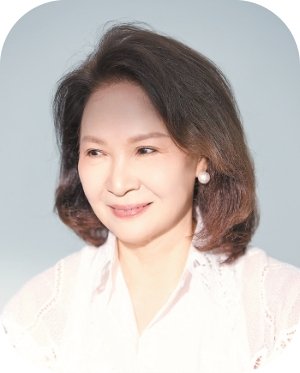
“春节的内核是人、是情、是家”——访马来西亚华文作家戴小华
Ren Min Ri Bao· 2026-02-20 13:07
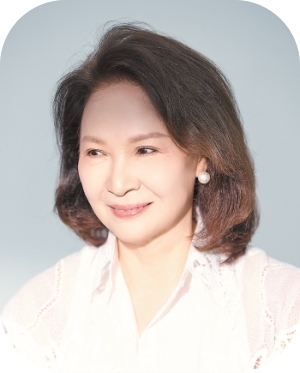
Core Viewpoint - The essence of the Spring Festival lies in its human connections and cultural significance, emphasizing family, tradition, and shared values across different cultures [2][2][2] Group 1: Cultural Significance - The Spring Festival is recognized as a bridge for overseas Chinese to connect with their roots and communicate with the world, enhancing cultural identity and belonging among younger generations [2][2] - The successful application for the Spring Festival's recognition as a cultural heritage is seen as a significant acknowledgment of Chinese civilization's value by the international community [2][2] Group 2: Values and Philosophy - The festival embodies the philosophy of "harmony in diversity," promoting family unity, respect for ancestors, and a hopeful outlook for the future, which reflects the core wisdom of Chinese civilization [2][2] - The customs associated with the Spring Festival, such as reunion, ancestor worship, and renewal, illustrate the fundamental human needs for love, connection, and gratitude [2][2] Group 3: Intercultural Exchange - The Spring Festival shares commonalities with other cultural celebrations, such as the Malay Eid, highlighting universal themes of reunion, gratitude, and sharing [2][2] - The festival serves as a reminder that while civilizations may differ, human hearts can connect through mutual respect and understanding of each other's traditions [2][2]
“春节的内核是人、是情、是家” ——访马来西亚华文作家戴小华
Xin Lang Cai Jing· 2026-02-20 02:09
Core Viewpoint - The essence of the Spring Festival lies in its human connections, traditions, and cultural significance, emphasizing family, warmth, and shared values [2]. Group 1: Cultural Significance - The Spring Festival is recognized as a bridge for overseas Chinese to connect with their roots and communicate with the world, enhancing cultural identity and belonging among younger generations [2]. - The festival embodies the philosophy of "harmony in diversity," promoting family unity, respect for ancestors, and a sense of renewal, which reflects the deeper wisdom of Chinese civilization [2]. Group 2: Cross-Cultural Exchange - The Spring Festival shares commonalities with other cultural celebrations, such as the Malay Eid, highlighting universal themes of reunion, gratitude, sharing, and blessings [2]. - The festival's values encourage respect for different cultures and traditions, fostering warmth and peace among people [3].