反敌意收购条款

Search documents
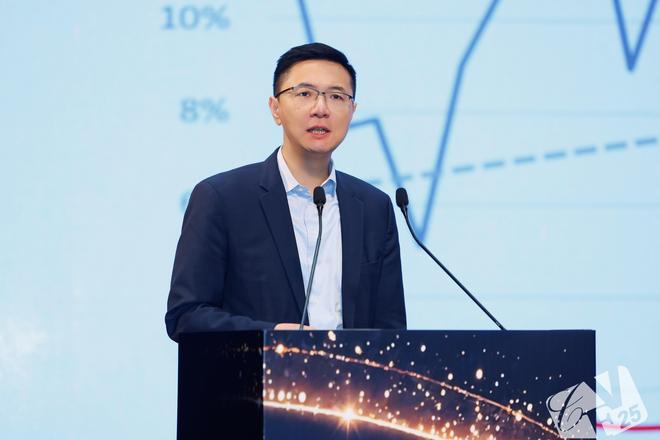
清华田轩:用包容创投、“不太积极”的二级市场激发科技创新
2 1 Shi Ji Jing Ji Bao Dao· 2025-12-07 09:49
Core Viewpoint - The speech by Tian Xuan emphasizes the need for a more inclusive venture capital market and a "not too aggressive" secondary market to support high-level technological self-reliance in China's capital market [1]. Group 1: Front-End Inclusivity - The primary focus of financial support for technological innovation is to create a truly inclusive venture capital market, which is centered around the introduction and expansion of "patient capital" [4]. - Since 1998, the development of China's venture capital industry has been relatively niche, but the concept of "patient capital" has been repeatedly highlighted in several important policy documents, underscoring its role in nurturing new productive forces [4]. - A healthy innovation ecosystem must first embrace "atypical" entrepreneurs who possess unique traits necessary for disruptive innovation, which is characterized by "creating something from nothing" [4]. - Research indicates that venture capital firms that exhibit higher tolerance for entrepreneurial failure foster companies that demonstrate significantly higher innovation quantity and quality upon going public [5]. Group 2: Back-End Safeguarding - As innovative companies transition from startup to growth and public listing, the capital market environment must undergo a critical transformation, advocating for a "not too aggressive" secondary market to effectively encourage long-term, high-quality technological innovation [7]. - Strong anti-hostile takeover provisions, such as dual-class share structures and staggered board arrangements, serve as important "moats" to protect companies from short-term acquisition threats, allowing management to invest in long-term R&D projects [8]. - Maintaining moderate stock liquidity is crucial; excessive liquidity can attract speculative capital that pressures companies to prioritize short-term profits over long-term innovation [8]. - The introduction of genuine long-term institutional investors is essential, as they can identify long-term value and encourage companies to focus on core operations, thereby enhancing the efficiency of innovation resource allocation [8]. Group 3: Systemic Innovation - The integration of an inclusive venture capital market and a safeguarding secondary market forms a cohesive "dual" ecosystem, addressing the survival of innovation from "0 to 1" and the amplification of innovation outcomes from "1 to N" [9]. - The overarching mission of comprehensive reform in China's capital market is not merely to pursue short-term market activity but to establish a financial ecosystem that genuinely understands and supports long-term technological innovation [9].

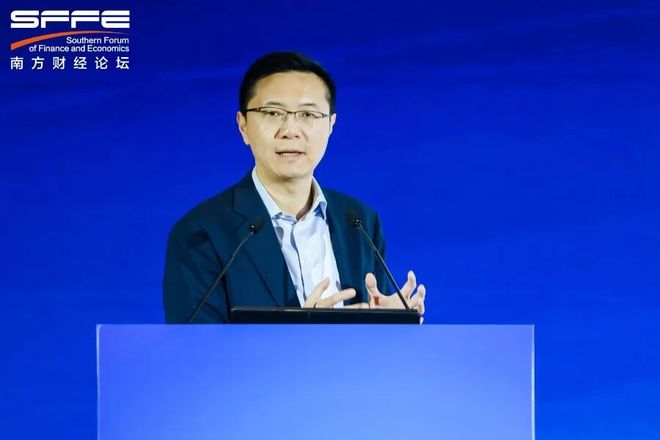
田轩:激励科技创新,需要有包容个性和容忍失败的氛围
Di Yi Cai Jing Zi Xun· 2025-11-25 11:01
Core Viewpoint - The "14th Five-Year Plan" emphasizes the need for China to accelerate high-level technological self-reliance and lead the development of new quality productivity, driven by both internal and external factors [1] Micro Level - To stimulate technological innovation and develop new quality productivity, a tolerant environment that embraces individuality and accepts failure is essential [3][4] - Characteristics of successful entrepreneurs include being young, driven, imaginative, and persistent, but also having traits that may be seen as negative, such as being unconventional and difficult to work with [4] - Early-stage venture capital is crucial for driving new quality productivity, but the shorter lifespan of Chinese private equity funds (5-7 years) compared to U.S. funds (10-12 years) limits investment in early-stage projects [5] Medium Level - A "not overly active" secondary market is necessary to allow tech companies to focus on long-term innovation without the pressure of short-term performance [7][9] - Mechanisms such as anti-takeover provisions can help protect companies from hostile takeovers, allowing founders to concentrate on long-term goals [8][9] Macro Level - A stable macro policy environment and a sound legal framework are vital for encouraging technological innovation [10][11] - Countries with better investor protection tend to have higher R&D income and investment efficiency, while stable and consistent policies foster a conducive environment for innovation [11]