反浪费

Search documents
大和:华润啤酒(00291)核心净利润胜预期 维持行业首选 目标价36港元
智通财经网· 2026-03-12 05:53
Group 1 - The core viewpoint of the article is that Daiwa maintains China Resources Beer (00291) as its industry favorite due to high visibility in product mix and average price upgrades, benefiting from strong growth in the premium brand Heineken and a higher-than-industry sales proportion in home channels [1] - The company forecasts a net profit of RMB 2.92 billion to RMB 3.35 billion for 2025, representing a year-on-year decline of 30% to 39%. Excluding the impairment of the liquor business, the estimated net profit for the year is RMB 5.89 billion to RMB 6.14 billion, which is 5% higher than the firm's expectation of RMB 5.74 billion [1] - The firm noted that service consumption, primarily in dining, performed better than market expectations in February, potentially leading to a quicker recovery in beer consumption through on-premise channels than previously anticipated [1] Group 2 - The industry is expected to benefit from a low base effect of the "anti-waste" initiative starting in May, paving the way for potentially better-than-expected performance during the summer beer consumption peak [1]

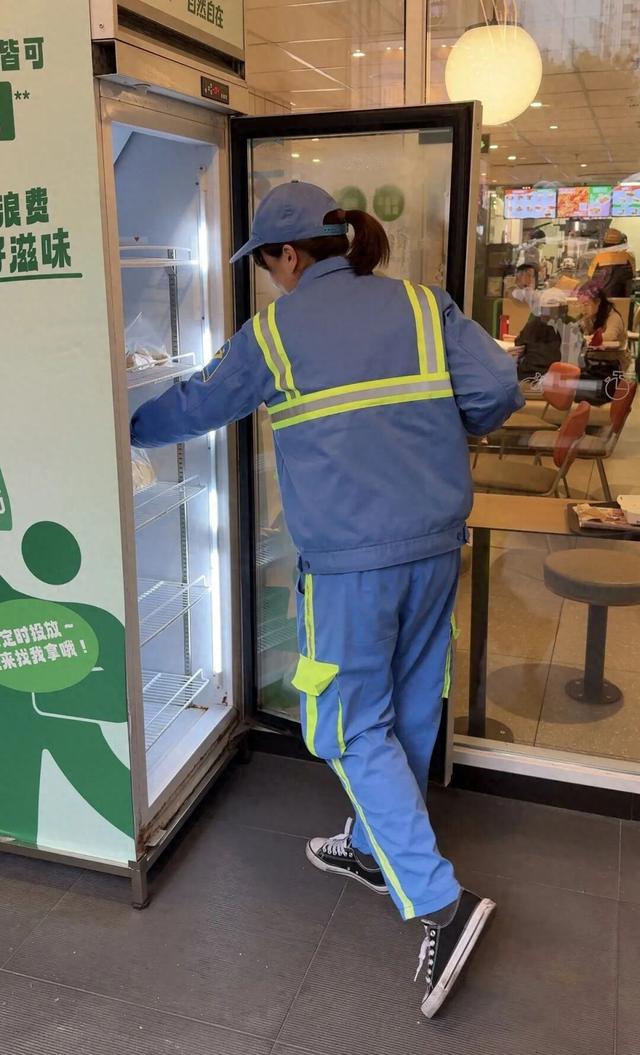
广州街头出现食物驿站:余量食物,人人可免费自取,街坊:值得推广
Xin Lang Cai Jing· 2026-01-09 23:51
Core Insights - The article highlights the success of a food station initiative in Guangzhou, which has been operational since September 2020, providing surplus food to those in need, thereby reducing food waste and supporting the community [3][10]. Group 1: Food Station Overview - The food station is located outside a restaurant on Taojin Road in the Yuexiu District of Guangzhou, featuring a white refrigerator filled with packaged food items like fried chicken [1][2]. - The initiative allows anyone in the community to take food for free, promoting the message of reducing waste and sharing resources [2][10]. Group 2: Community Impact - Over the past five years, the food station has gained trust within the community, with local residents, including sanitation workers and delivery riders, regularly utilizing the service [5][8]. - The restaurant manager noted that initial hesitance from residents has transformed into regular usage, with many expressing gratitude for the support during difficult times [10]. Group 3: Safety and Standardization - Ensuring the safety of surplus food was a significant challenge at the project's inception, leading to the development of a standardized manual for food selection, storage, and distribution [11]. - The initiative has expanded to over 100 restaurants in Guangzhou, establishing a benchmark for anti-waste practices in the industry [11].

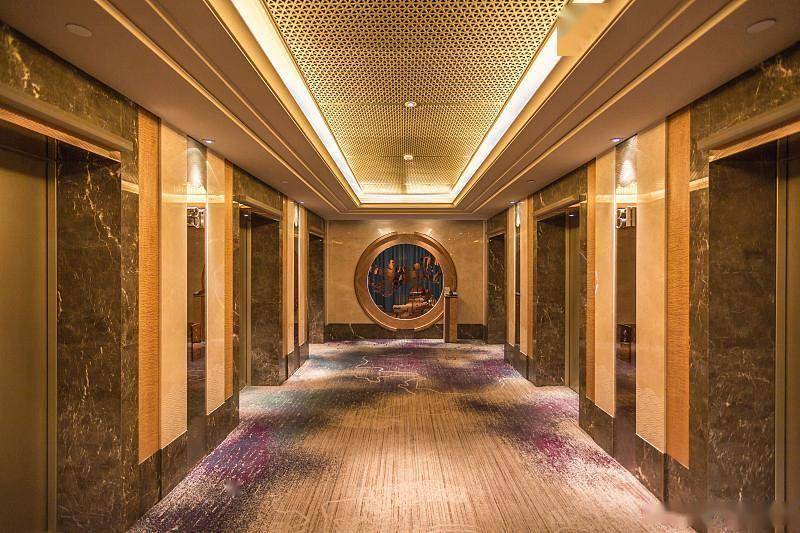
40元吃五星级大闸蟹?揭秘“剩菜盲盒”如何让年轻人实现轻奢自由
Sou Hu Cai Jing· 2025-11-11 05:11
Core Insights - The emergence of "leftover blind boxes" in high-end hotels is transforming leftover food into a trendy consumer experience, appealing particularly to younger demographics [1][3][5] - The pricing strategy of these blind boxes, such as a 40 yuan price point for a self-service dinner, allows consumers to potentially receive high-value items like steamed crabs, creating a perception of value [1][3] - The market for leftover food is expected to grow significantly, with estimates suggesting it could reach 40.1 billion yuan by 2025, driven by consumers aged 25-40 [3] Group 1 - The "leftover blind box" concept combines the excitement of blind box purchases with the appeal of high-quality food, allowing consumers to enjoy gourmet meals at a lower cost [3][5] - The operational model of these hotels leverages the low marginal cost of food ingredients while maintaining brand prestige, thus attracting cost-conscious young consumers [3][5] - The trend addresses three key consumer pain points: affordable quality, the thrill of unboxing, and environmental consciousness, enhancing the overall dining experience [5][7] Group 2 - Consumer feedback on these blind boxes is mixed, highlighting the importance of vendor integrity and the need for consumers to choose reputable sources for leftover products [7] - The phenomenon reflects a broader trend of consumption upgrade and waste reduction, indicating a shift in consumer behavior towards more sustainable dining options [7]