炸鸡

Search documents
退市的华莱士,「穷鬼年轻人」都快受不了了
36氪· 2026-03-08 13:34
Core Viewpoint - The article discusses the decline of Wallace, a fast-food chain in China, highlighting its past successes and current challenges, particularly in food safety and competition from established brands and new entrants in the market [6][11][13]. Group 1: Company Overview - Wallace has been a significant player in the Chinese fast-food industry, known for its low prices and extensive network of over 20,000 stores, surpassing competitors like KFC and McDonald's [22][25]. - Despite reporting a revenue of 46.25 billion yuan in the first half of 2025, Wallace experienced its first revenue decline of 0.49% year-on-year, indicating underlying issues [25]. - The company's net profit increased by 35.32% to 1.22 billion yuan, but this was overshadowed by a high operating cost of 43.45 billion yuan, resulting in a low gross margin of 6.04% [26]. Group 2: Business Model and Challenges - Wallace's business model relies on a "crowdfunding" approach where store managers and employees are stakeholders, which initially fueled rapid expansion but has led to cost-cutting measures that compromise food safety [32][36]. - The brand has faced numerous food safety scandals, with complaints on platforms like Black Cat Complaints nearing 14,000, indicating a significant reputational risk [41][42]. - The competitive landscape has intensified, with established brands like KFC and McDonald's targeting lower-tier markets, offering similar pricing and better food safety standards [45][46]. Group 3: Market Dynamics - The shift in consumer preferences towards food safety has led to a decline in Wallace's customer base, particularly among younger consumers who are now exploring new dining options [53][54]. - The entry of new brands into lower-tier cities has further eroded Wallace's market share, as consumers are drawn to alternatives that prioritize quality and safety [53][56]. - Wallace's previous competitive advantages are diminishing, as the brand struggles to maintain its appeal in a rapidly evolving market [56]. Group 4: Future Strategies - To address its challenges, Wallace is exploring new avenues such as entering the coffee market with significant investments in equipment, aiming to drive traffic to its core offerings [60][62]. - The company faces a critical decision: either to reform its operational practices to enhance food safety and quality or to innovate its product offerings to regain consumer trust [63][68]. - Future strategies may include developing new product lines tailored to local markets and enhancing training for staff to ensure compliance with food safety standards [67][70].

东北大叔硬控00后,比格披萨太懂“穷鬼”们了
Sou Hu Cai Jing· 2026-01-29 01:19
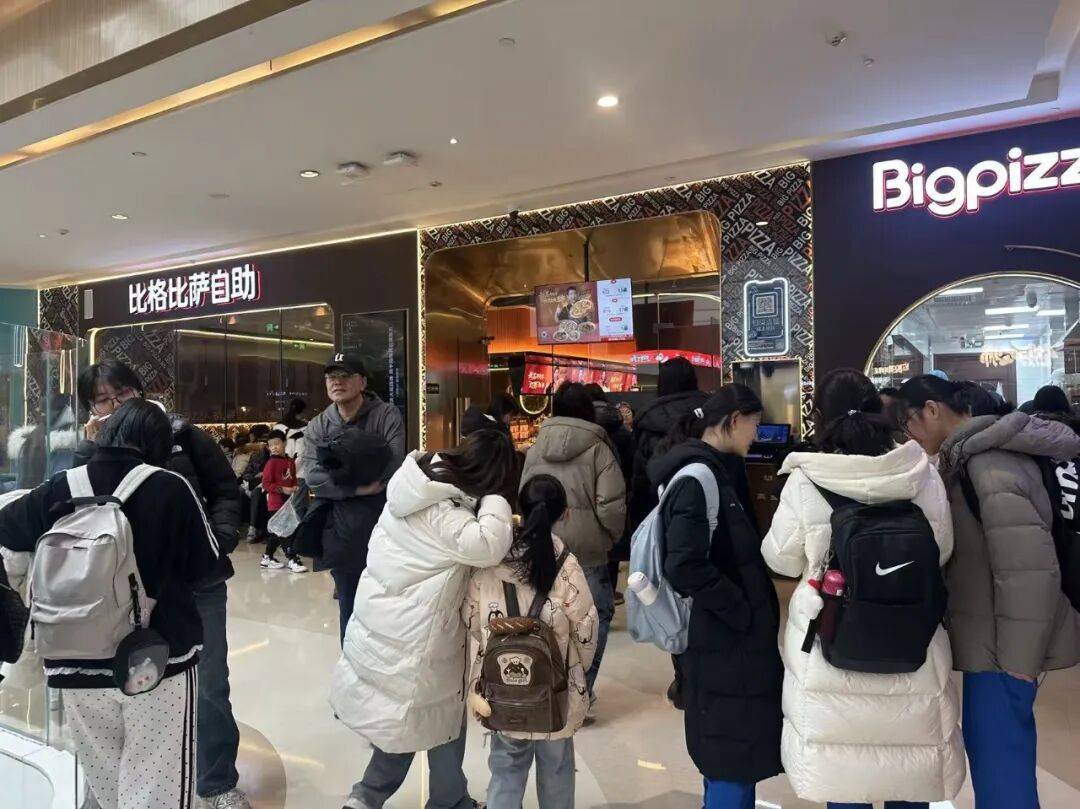
Core Viewpoint - Big Pizza, a popular pizza chain, is preparing for an IPO in Hong Kong, driven by its strong customer base and impressive revenue growth [1][5]. Group 1: Business Performance - In 2023 and 2024, Big Pizza's revenue is projected to be 944 million yuan and 1.147 billion yuan, respectively, with a significant increase to 1.389 billion yuan in the first three quarters of 2025, representing a year-on-year growth of over 66% [4][5]. - Big Pizza ranks first among domestic pizza restaurants based on GMV for the first three quarters of 2025, aiming to become the first publicly listed pizza self-service brand in China [4]. Group 2: Customer Engagement and Product Strategy - Big Pizza has successfully attracted a young demographic, particularly students, by offering a diverse menu at a competitive price of 79.9 yuan for an all-you-can-eat experience, which includes various pizzas and additional dishes [9][10]. - The company engages customers in product development through initiatives like "customer voting" for new menu items, resulting in popular products like the durian pizza [15][16]. Group 3: Market Expansion Challenges - The founder has set an ambitious goal to exceed 1,000 stores by 2028, requiring a growth rate of 1.5 to 1.8 times the current expansion speed [20][22]. - Big Pizza faces significant challenges in expanding into southern markets, which are dominated by established competitors like Zunbao Pizza and Saliya, making it difficult to replicate its northern business model [25][26]. - The company's heavy reliance on self-operated stores, which account for about 80% of its locations, results in high investment costs and financial pressure, with a debt ratio of 93% as of the third quarter of 2025 [25][28].
比格比萨推出49.9元环卫工人套餐被指作秀!背后东北夫妇年入11亿冲IPO
Xin Lang Cai Jing· 2026-01-26 04:51
Core Viewpoint - The article discusses the challenges faced by Big Pizza as it prepares for its IPO, highlighting its rapid expansion, declining profit margins, and rising debt levels, alongside a recent marketing controversy that has drawn public criticism. Group 1: Company Overview - Big Pizza, founded by a couple from Northeast China, has grown from a pool hall to a chain with 387 locations, aiming for further expansion to 1,000 stores by 2028 [6][24][39] - The company has achieved annual revenue exceeding 1.1 billion yuan, positioning itself as the largest domestic pizza and buffet brand in China [5][33] - As of September 2025, Big Pizza had approximately 9.3 million members, with a membership growth of 78.8% since the end of 2024 [8][35] Group 2: Financial Performance - Revenue from self-operated restaurants increased from 787 million yuan in 2023 to 1.195 billion yuan in the first three quarters of 2025, accounting for 86.1% of total revenue [11][37] - The company's net profit has been declining, with figures of 47.52 million yuan, 41.74 million yuan, and 51.65 million yuan for 2023, 2024, and the first nine months of 2025 respectively, leading to a net profit margin drop from 5% to 3.6% [12][37] - The average transaction value has decreased from 70.9 yuan to 62.8 yuan for self-operated stores, and from 68.2 yuan to 63.7 yuan for franchise stores between 2023 and the first three quarters of 2025 [12][39] Group 3: Debt and Expansion Strategy - As of September 2025, Big Pizza's total liabilities reached 838 million yuan, with a debt-to-asset ratio of 93%, indicating a significant financial strain [13][39] - The company has significantly increased its capital expenditure from 28.7 million yuan in 2023 to 134 million yuan in the first nine months of 2025, primarily for new restaurant openings [39] - The IPO aims to raise funds for restaurant network expansion, technology upgrades, brand building, supply chain enhancement, and general operational costs [39] Group 4: Marketing and Public Perception - A recent promotional campaign offering a 49.9 yuan meal for sanitation workers has faced backlash for being perceived as insincere, as the price is similar to existing discounts for seniors [17][20] - Marketing expenses have risen from 7.72 million yuan in 2023 to 12.37 million yuan in the first three quarters of 2025, constituting over 30% of total revenue [39][40] - The company has faced multiple complaints regarding food safety and service quality, which may be linked to its rapid expansion [23][46]
股票今起停牌!华莱士品牌经营方华士食品拟在新三板终止挂牌
Nan Fang Du Shi Bao· 2026-01-23 09:37
Core Viewpoint - Huashi Food has announced its intention to terminate its listing on the New Third Board, aiming to enhance operational efficiency and reduce costs, with a focus on its core business after delisting [1][3]. Group 1: Company Overview - Huashi Food was listed on the New Third Board in April 2016, primarily selling pre-packaged food and related equipment to Wallace brand stores [2]. - The first Wallace restaurant opened in Fuzhou, Fujian in 2000, specializing in fried chicken, hamburgers, and fries, with an average consumer spending of approximately 17 yuan [2]. - As of January 20, 2026, Wallace has 19,751 stores nationwide, leading in the fried chicken and hamburger category, although the number of stores has slightly decreased over the past year [2]. Group 2: Business Model - Wallace does not utilize a franchise model for rapid expansion; instead, it operates on a "Fujian model," which emphasizes self-funding, employee partnerships, and direct management [2]. - Huashi Food's revenue is primarily derived from product sales, which include raw materials, packaging, and equipment for Wallace stores, as well as consulting services for restaurant design and operations [2]. Group 3: Financial Performance - In the first half of 2025, Huashi Food's revenue decreased by 0.49% to 4.625 billion yuan, while net profit attributable to shareholders increased by 35.32% to 122 million yuan [3]. - From 2021 to 2024, Huashi Food's revenue growth has slowed, with year-on-year growth rates of 64.44%, 24.36%, 23.45%, and 13.31% respectively; net profit growth has fluctuated significantly during the same period [3]. - As Huashi Food plans to delist, other restaurant brands like COMMUNE, Big Pizza, and Yuanji Food are pursuing listings on the Hong Kong Stock Exchange [3].
垃圾食品解药是谣言
Xin Lang Cai Jing· 2026-01-18 04:04
Core Viewpoint - The notion that certain foods can counteract the negative health effects of junk food is a myth, and relying on these so-called "antidotes" can lead to further health issues [1] Group 1: Health Risks of Junk Food - Excessive consumption of high-fat, high-sugar, high-salt, and heavily processed foods poses significant health risks that cannot be mitigated by consuming other foods [1] - The calories from these supposed "antidotes" can accumulate, potentially causing additional harm to the body [1] Group 2: Recommendations for Healthier Eating - The human body has a certain capacity for self-regulation, allowing for occasional indulgence in unhealthy foods without severe consequences [1] - To minimize health risks, it is essential to control the intake of unhealthy foods from the source, and adjustments can be made before, during, and after meals [1] - Eating vegetables before meals can help reduce the subsequent intake of high-calorie foods, and adopting a balanced diet along with moderate exercise is the correct approach to maintaining health [1]
从“自嗨”到“共创”
Bei Jing Shang Bao· 2026-01-13 15:42
Core Insights - The restaurant industry keyword for 2025 is "caution," yet Big Pizza has achieved "explosive" growth, with overall performance increasing nearly 60%, same-store sales up approximately 18%, and revenue nearing 2 billion yuan [1] - The opening of nearly 160 new stores has brought the total number of direct-operated stores close to 400, surpassing the total number of stores opened in the past 22 years [1] - The core of performance growth lies in accurately understanding consumer needs, as the main consumer group shifts from the "post-80s" and "post-90s" to the "post-00s" and "post-10s" [1] Consumer Behavior Changes - The consumption logic of the "post-00s" and "post-10s" differs fundamentally from previous generations, as they are internet natives with more independent thinking and diverse consumption needs [2] - Young consumers now seek multi-dimensional experiences and are no longer satisfied with singular labels like "authentic" or "local," often combining different food categories in one meal [2] - The decision-making process for young consumers has shifted, with online exposure and transaction conversion becoming crucial, as they often order online before visiting the store for experience and delivery [2] Direct Consumer Engagement - To better connect with new generation demands, the founder has developed a personal IP that serves as a promotional window and a customer feedback channel [3] - This direct connection has allowed the brand to capture previously overlooked consumer needs, such as the texture of ice cream, leading to significant improvements in customer satisfaction [3] - The "user direct connection" model has restructured the product innovation system, with new product directions now driven by consumer feedback rather than solely by the R&D team [3] Product Development Strategy - Big Pizza follows a rhythm of "three new product launches per year, updating every four months," resulting in a 30% SKU iteration annually [4] - The strategy involves replacing the lowest-selling products in each category based on consumer preferences, allowing customers to "vote with their taste buds" on product viability [4] - This user-centric approach has kept the brand closely aligned with market demands, contributing to the 18% same-store sales growth [4]
烟火里的“稳”字歌|新店数量翻番、低效门店业绩赶超 比格比萨创始人赵志强:从“自嗨”到“共创”
Bei Jing Shang Bao· 2026-01-13 12:56
Core Insights - The Chinese catering market is entering a deep stock game era in 2025, with a scale of 5 trillion yuan and 8 million stores competing, while the chain rate steadily rises to 24% and per capita consumption decreases to a rational level [1][4] Industry Overview - The catering industry in 2025 is characterized by cautiousness, yet Big Pizza has achieved a "frenzied" growth with nearly 60% overall performance increase, approximately 18% same-store growth, and revenue nearing 2 billion yuan [3][4] - The opening of nearly 160 new stores this year has brought the total number of direct-operated stores close to 400, surpassing the total number of stores opened in the past 22 years [3][4] Company Performance - Big Pizza's growth is attributed to two key opportunities: the release of quality resources during the industry contraction and the traffic benefits brought by the short video era [4][10] - The new stores have not diluted the brand's profitability; instead, they have optimized the cost structure through economies of scale, contributing to the overall revenue nearing 2 billion yuan [5][11] Consumer Insights - The core of performance growth lies in understanding consumer needs, particularly as the main consumer group shifts from the "80s" and "90s" to the "00s" and "10s" [5][7] - New generation consumers seek diverse experiences and have changed their consumption decision-making paths, often discovering brands online before visiting stores [7][9] Innovation and Product Development - Big Pizza has adopted a user-centric approach, allowing consumer feedback to drive product innovation, with a focus on rapid response to market demands [8][9] - The brand plans to iterate 30% of its SKU annually, replacing the lowest-selling products based on consumer preferences [9] Future Strategy - Big Pizza aims to reach a target of over 1,000 stores by 2025, focusing on four competitive dimensions: innovative multi-category experiences, high cost-performance ratio, alignment with new generation demands, and deep online traffic operations [10][11] - The brand will enhance supply chain optimization, strengthen online operations, and improve operational efficiency to support its growth objectives [11][12]
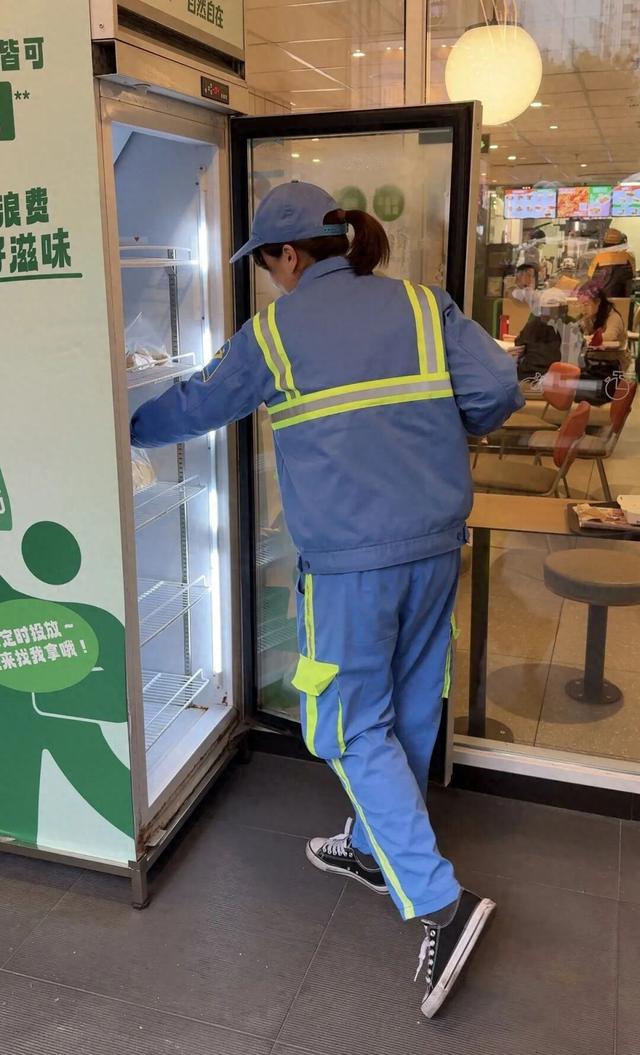
广州街头出现食物驿站:余量食物,人人可免费自取,街坊:值得推广
Xin Lang Cai Jing· 2026-01-09 23:51
Core Insights - The article highlights the success of a food station initiative in Guangzhou, which has been operational since September 2020, providing surplus food to those in need, thereby reducing food waste and supporting the community [3][10]. Group 1: Food Station Overview - The food station is located outside a restaurant on Taojin Road in the Yuexiu District of Guangzhou, featuring a white refrigerator filled with packaged food items like fried chicken [1][2]. - The initiative allows anyone in the community to take food for free, promoting the message of reducing waste and sharing resources [2][10]. Group 2: Community Impact - Over the past five years, the food station has gained trust within the community, with local residents, including sanitation workers and delivery riders, regularly utilizing the service [5][8]. - The restaurant manager noted that initial hesitance from residents has transformed into regular usage, with many expressing gratitude for the support during difficult times [10]. Group 3: Safety and Standardization - Ensuring the safety of surplus food was a significant challenge at the project's inception, leading to the development of a standardized manual for food selection, storage, and distribution [11]. - The initiative has expanded to over 100 restaurants in Guangzhou, establishing a benchmark for anti-waste practices in the industry [11].
2025年中国炸鸡行业产业链图谱、市场现状、竞争格局及发展趋势分析:行业将从“规模扩张”转向“价值深耕”[图]
Chan Ye Xin Xi Wang· 2026-01-06 01:30
Core Insights - The fried chicken industry in China is experiencing significant growth, with the market size expected to reach 94 billion yuan in 2024, representing a year-on-year increase of 17.5% [1][10] - The rise in health consciousness among consumers is prompting brands to innovate cooking methods and optimize ingredient ratios, leading to the introduction of healthier products [1][10] Industry Overview - Fried chicken is defined as a food product made from chicken that is processed and deep-fried, characterized by a crispy exterior and tender interior [2] - It can be categorized based on bone presence, flavor profiles, and regional styles, including American, Korean, Japanese, and Chinese fried chicken [2][3] Development History - The evolution of the fried chicken industry in China has transitioned from being a niche product to a mainstream leisure food, with a focus on profitability and brand recognition since 2023 [4] - The industry is witnessing a shift towards health, digitalization, and supply chain collaboration, with leading brands enhancing upstream integration and central kitchen development [4][6] Policy Environment - The Chinese government has implemented various policies to support the development of the restaurant industry, including guidelines for food safety and quality control [6] - Regulations have been established to ensure the safety of chicken production, processing, and distribution, promoting a more standardized and high-quality industry [6] Industry Chain - The upstream of the fried chicken industry includes suppliers of chicken, flour, starch, and seasonings, while the midstream consists of production and brand operators [6][7] - The downstream encompasses various sales channels, including restaurants, retail, and e-commerce platforms, catering to consumer preferences for convenience [6] Consumer Insights - The majority of fried chicken consumers in China are female (52.1%), with over 70% aged between 18-35 years, indicating a strong preference for personalized and convenient dining experiences [8][9] - Afternoon tea is the most popular consumption scenario, followed by late-night snacks and meals, with a significant portion of consumers purchasing fried chicken weekly [8][9] Competitive Landscape - The fried chicken market is highly fragmented, with approximately 9.88 million related enterprises as of November 2025, indicating intense competition [10][11] - Notable brands include Zhengxin Chicken, Linyu Fried Chicken, and various others, with Zhengxin Chicken ranked as the top brand in a recent survey [10][11] Future Trends - The industry is expected to focus on value-driven operations rather than mere expansion, with leading brands optimizing store models and enhancing customer engagement [14] - There will be a shift towards deep innovation in Chinese flavors, with local tastes becoming a central theme in product development [14] - Health-conscious trends will drive brands to adopt new cooking technologies and healthier ingredients, moving away from high-fat perceptions [15] - Supply chain collaboration and digital transformation will become essential, with leading brands establishing strong ties with suppliers and enhancing logistics efficiency [16]





快餐巨头,又被曾经的「死对头」买走了
3 6 Ke· 2025-12-29 10:07
Core Insights - The acquisition of KFC Korea by Carlyle Group marks a significant trend in the global restaurant industry, where major brands are frequently changing hands amid ongoing inflation and evolving consumer demands [2][11][12] - KFC Korea's valuation has surged by 186% over the past three years, reflecting a recovery from previous operational challenges [3][4] - Carlyle Group's strategy focuses on acquiring and optimizing core restaurant brands in Asia, having previously invested in McDonald's China and now expanding its portfolio with KFC in both Japan and Korea [5][6][10] Group 1: Acquisition Details - Carlyle Group has finalized the acquisition of KFC Korea for approximately 200 billion KRW (about 135 million USD) [2] - This follows Carlyle's earlier acquisition of KFC Japan for 835 million USD, indicating a strategic consolidation of KFC operations in East Asia [7] - The deal is expected to be completed in the first half of 2026, further solidifying Carlyle's presence in the Asian fast-food market [7] Group 2: Performance and Recovery - KFC Korea's operational recovery is notable, with a reported 469% increase in operating profit for 2024, reaching 16.4 billion KRW (over 8 million RMB) [3] - The brand had previously faced significant challenges, including a reduction in store count from over 300 to around 200 and a period of financial distress [3][4] - The turnaround was facilitated by capital injection and operational adjustments, including menu localization and enhanced delivery services [3] Group 3: Market Context - The competitive landscape in South Korea is challenging, with KFC operating approximately 200 stores compared to McDonald's 400, highlighting the need for strategic positioning against both international and local brands [4][20] - The trend of foreign brands relinquishing control in favor of local partnerships is becoming more common, as seen with Starbucks and Burger King in China [12][15] - The shift towards local capital involvement is a response to the increasing competition from domestic brands, which have been rapidly expanding their market presence [20]