剩菜盲盒

Search documents
安全“盲”不得,须理性选择
Xin Lang Cai Jing· 2026-01-04 22:08
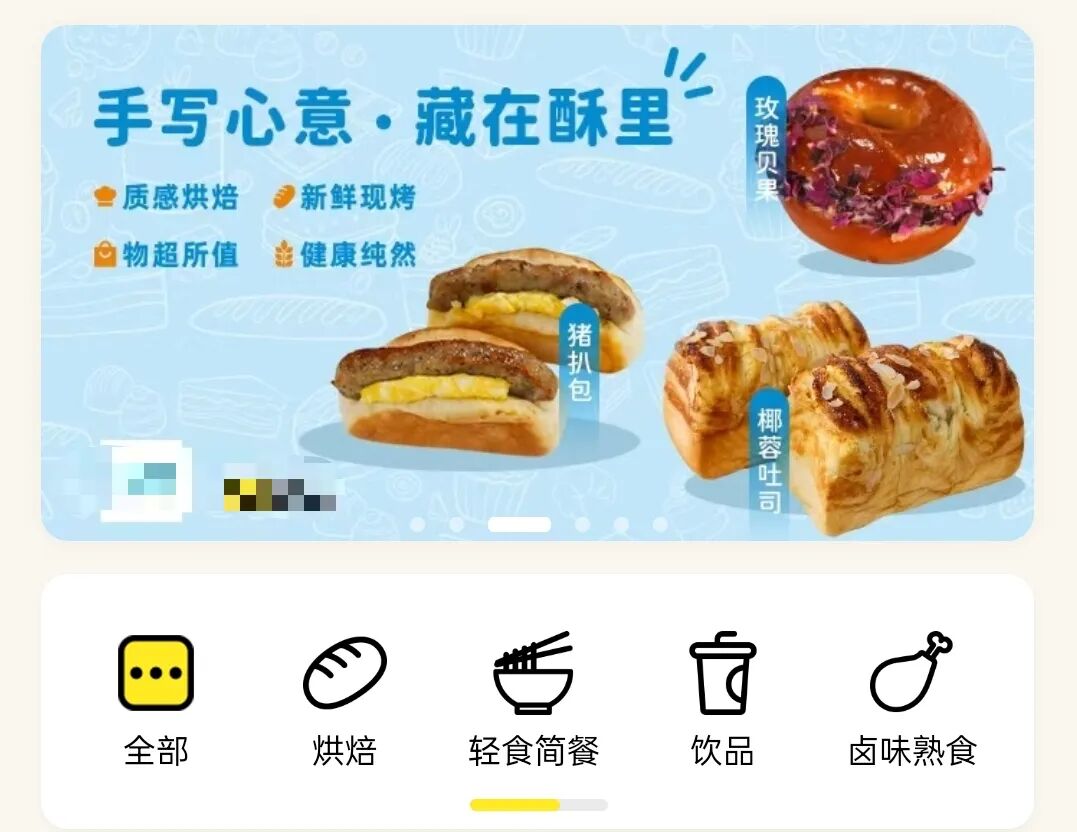
Core Insights - The article discusses the rising trend of "leftover blind boxes" in Dalian, where consumers purchase unsold food items at discounted prices, highlighting a growing interest in this consumption model [1] Group 1: Market Trends - The "leftover blind box" concept involves merchants selling surplus food items, such as sushi and sandwiches, at a significant discount, often around 60% off the original price [1] - Consumers are attracted to the low price, randomness, and the environmentally friendly aspect of this model, leading to an increase in consumption [1] Group 2: Consumer Safety Concerns - The Dalian Market Supervision Administration has issued warnings regarding potential safety risks associated with "blind boxes," including the possibility of expired food being repackaged and sold [2] - High-risk foods, such as cold dishes and self-made beverages, may lead to gastrointestinal issues if not handled properly [2] - Consumers are advised to purchase from legitimate sources, check production dates and storage conditions, and retain proof of purchase for potential complaints [2]
2025高星酒店生存图鉴:不下山,何以上山
3 6 Ke· 2025-12-26 03:25
Core Insights - 2025 marks a year of accelerated differentiation, heightened anxiety, and rapid turnover in the domestic hotel industry [1] Group 1: Market Trends - The "street vending" trend has emerged as a significant event for high-end hotels in 2025, with Zhengzhou Yonghe Bojue International Hotel achieving over 30,000 yuan in sales within 37 minutes on its first day [2][5] - The peak revenue for Yonghe Bojue's street vending reached over 100,000 yuan, but has since stabilized between 50,000 to 60,000 yuan [2] - The rise of high-end homestays is contributing to market competition, with the market size doubling from under 20 billion yuan in 2022 to 42.27 billion yuan in 2024 [12] Group 2: Challenges and Adaptations - High-end hotels are facing significant challenges due to a reduction in large conferences and high-end banquets, leading to a need for new survival strategies [11] - The oversupply of hotels has exacerbated the situation, with only 17 out of 259 hotels priced over 10 million yuan successfully sold in the first half of 2025 [11] - The "street vending" trend is seen as a temporary solution, with hotels realizing that a single revenue stream is insufficient for sustainable transformation [11][29] Group 3: Strategic Innovations - High-end hotels are exploring innovative practices, such as the "chef to home" service, to expand revenue sources beyond traditional dining [11] - Collaborations with online travel agencies (OTAs) like Meituan have proven effective, with a reported 88% increase in bookings for Marriott within 24 hours of launching a joint membership program [15] - The introduction of esports rooms by various high-end hotels aims to attract the younger generation, indicating a shift in target demographics [16] Group 4: Future Directions - The future of high-end hotels lies in deepening digital transformation, redefining the concept of "high-end" from price to value, and creating a "hotel+" ecosystem that integrates various lifestyle services [20][22][27] - Emphasis on customer experience over traditional luxury symbols is becoming crucial for attracting younger consumers [17][22] - The industry is expected to undergo a significant restructuring, focusing on multi-dimensional breakthroughs in assets, products, and operations to survive the ongoing market reshuffle [29][31]

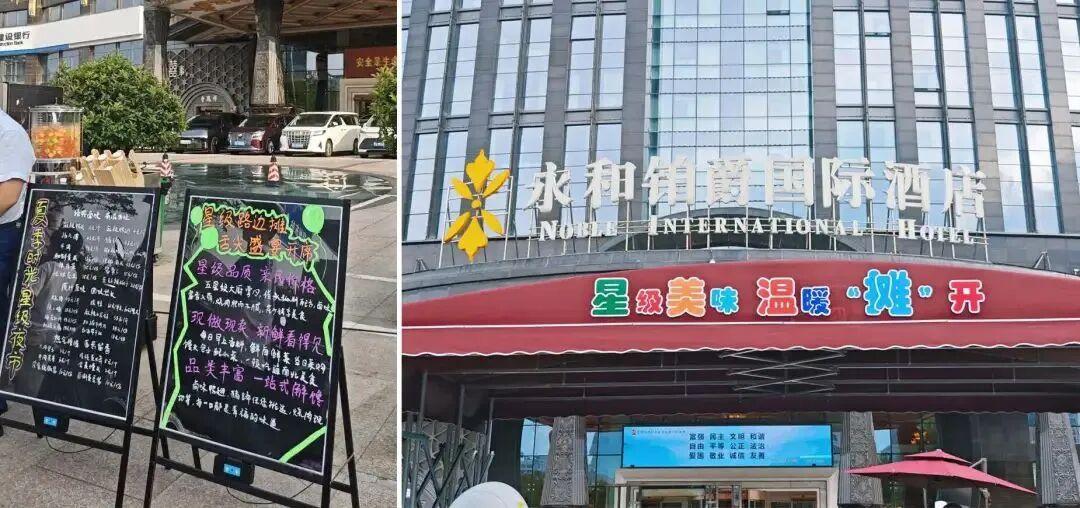
40元吃五星级大闸蟹?揭秘“剩菜盲盒”如何让年轻人实现轻奢自由
Sou Hu Cai Jing· 2025-11-11 05:11
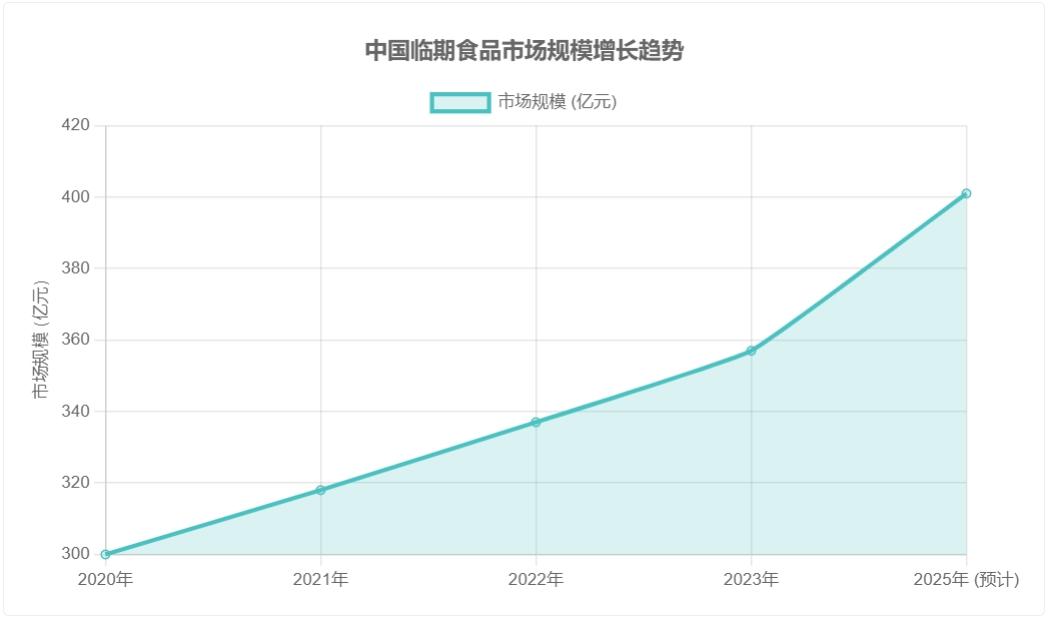
Core Insights - The emergence of "leftover blind boxes" in high-end hotels is transforming leftover food into a trendy consumer experience, appealing particularly to younger demographics [1][3][5] - The pricing strategy of these blind boxes, such as a 40 yuan price point for a self-service dinner, allows consumers to potentially receive high-value items like steamed crabs, creating a perception of value [1][3] - The market for leftover food is expected to grow significantly, with estimates suggesting it could reach 40.1 billion yuan by 2025, driven by consumers aged 25-40 [3] Group 1 - The "leftover blind box" concept combines the excitement of blind box purchases with the appeal of high-quality food, allowing consumers to enjoy gourmet meals at a lower cost [3][5] - The operational model of these hotels leverages the low marginal cost of food ingredients while maintaining brand prestige, thus attracting cost-conscious young consumers [3][5] - The trend addresses three key consumer pain points: affordable quality, the thrill of unboxing, and environmental consciousness, enhancing the overall dining experience [5][7] Group 2 - Consumer feedback on these blind boxes is mixed, highlighting the importance of vendor integrity and the need for consumers to choose reputable sources for leftover products [7] - The phenomenon reflects a broader trend of consumption upgrade and waste reduction, indicating a shift in consumer behavior towards more sustainable dining options [7]
五星级酒店推“剩菜盲盒”:40元1份,大闸蟹、生蚝、牛肉、甜品均可选,但只有晚上15分钟可用
Mei Ri Jing Ji Xin Wen· 2025-11-10 13:30
Core Insights - The "leftover blind box" trend is gaining popularity among young consumers, offering unsold or near-expiry food items at affordable prices, typically around tens of yuan [1] - Several platforms in China are now providing "leftover blind box" services, including high-end hotels [3] Group 1: Market Trends - The concept of "leftover blind boxes" has expanded from baked goods and light meals to include offerings from five-star hotel buffets [3] - For example, the Guoshou Junlan Hotel in Hangzhou launched a dinner blind box priced at 40 yuan, allowing customers to pack food from the buffet, which normally costs 298 yuan [3] - The Shanghai Hongqiao Accor Hotels also introduced a lunch blind box for 28 yuan, available for takeout with rotating hot dishes [10] Group 2: Consumer Engagement - Customers have shared positive experiences on social media, highlighting the value and variety of food available in the blind boxes, including high-end items like roasted duck and crab [7] - The Guoshou Junlan Hotel aims to attract customers who may not frequently visit due to time or budget constraints, offering a more affordable and engaging way to experience their buffet quality [7] Group 3: Industry Adaptation - The trend of "leftover blind boxes" reflects a broader strategy among five-star hotels to connect with a wider consumer base, breaking the stereotype of high pricing and exclusivity [12] - The average occupancy rate for five-star hotels is approximately 62.5%, with an average room price of 755 yuan per night, indicating a need for innovative revenue strategies [12]
希尔顿和文璞都开始卖“剩菜盲盒”,年轻人也有了「顶奢晚餐」自由?
3 6 Ke· 2025-09-26 13:00
Core Insights - The "leftover blind box" concept is gaining popularity among young consumers in China, allowing them to enjoy high-quality meals at significantly reduced prices, thus appealing to their desire for value and sustainability [1][2][9] - Major hotels, including five-star establishments, are adopting this model as a strategy to reduce food waste and attract younger clientele, who are often deterred by traditional pricing [6][14][16] Group 1: Market Trends - The domestic market for near-expiry food is projected to reach 40.1 billion yuan by 2025, with consumers aged 25-40 being the primary demographic [1] - The popularity of "leftover blind boxes" has led to a surge in social media discussions, with consumers sharing both positive experiences and criticisms [2][14] - The trend reflects a shift in consumer behavior, where young people prioritize cost-effectiveness and quality, often opting for luxury experiences at a fraction of the original price [3][16] Group 2: Business Implications - Five-star hotels are leveraging the "leftover blind box" model to optimize their operations, turning potential waste into revenue and enhancing their dining space efficiency [6][12] - The average food waste in high-end hotel buffets can reach 15-20%, and the blind box initiative helps recover some of these costs while promoting sustainability [12][14] - The model serves as a direct channel to engage younger consumers, who are more likely to share their experiences online, thus increasing brand visibility and attracting new customers [14][16] Group 3: Consumer Behavior - The excitement of opening a blind box adds an element of surprise and enjoyment, differentiating it from traditional discount offerings [3][8] - The pricing of these blind boxes, typically around 79 to 99 yuan, aligns with the spending habits of young consumers, who are increasingly seeking affordable luxury [9][14] - The trend indicates a broader shift in consumer values, where sustainability and cost-effectiveness are becoming paramount in purchasing decisions [16][17]

欧美大火的剩菜盲盒,怎么在中国行不通?
Hu Xiu· 2025-09-18 09:04
Core Insights - "Leftover Blind Box" refers to a concept where businesses sell unsold food at a significantly reduced price before closing, either randomly packaged or allowing customers to fill a box with as much as they can fit [1] - A certain bakery chain has managed to reduce its waste by approximately 30% through the implementation of the blind box strategy [1] - The introduction of this concept in China has led businesses to consider using blind boxes as a means to handle waste products [1]
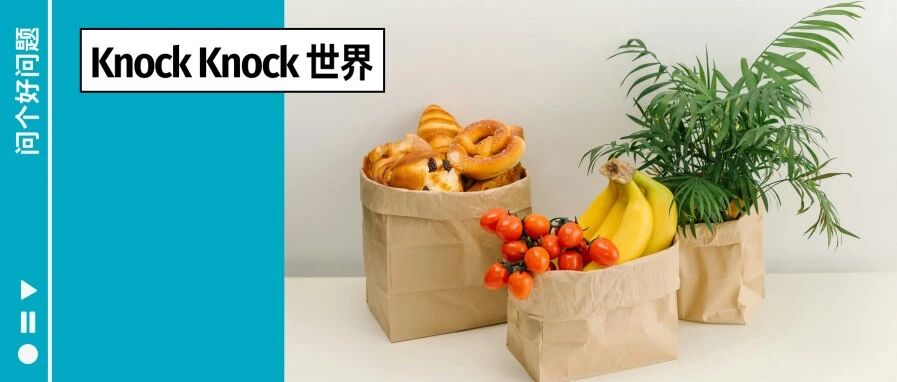
「万物皆可盲盒」,剩菜盲盒是什么? | Knock Knock 世界
声动活泼· 2025-08-30 05:05
Core Viewpoint - The article discusses the ongoing challenges posed by global warming, emphasizing the need for humanity to adapt and change its behaviors to mitigate the impacts of climate change, including food waste and invasive species [1][4][5]. Group 1: Global Warming and Its Effects - China's carbon dioxide emissions are not decreasing but are instead increasing year by year [3]. - Extreme weather events are becoming more frequent and damaging, necessitating systems to reduce their impact on life and property [4]. Group 2: Food Waste and Solutions - Food waste is a significant issue, with urban food waste in China in 2018 equating to the annual food consumption of residents in Beijing and Shanghai combined [6]. - The "Too Good To Go" initiative, which started in Denmark in 2015, aims to reduce food waste by connecting consumers with businesses to sell surplus food [6][7]. - Various stakeholders, including businesses and governments, are employing technology and innovative methods to combat food waste [7]. Group 3: Invasive Species Management - The article highlights the case of Burmese pythons in Florida as an example of invasive species management, where the state has resorted to hunting to control their population [8]. - In China, the fall armyworm is identified as an invasive species that has spread due to climate change, affecting local crops [8]. - Different methods, including lethal control measures, are being considered to manage invasive species effectively [8].
“剩菜盲盒”,买得实惠也要吃得放心
Ren Min Ri Bao Hai Wai Ban· 2025-08-12 22:29
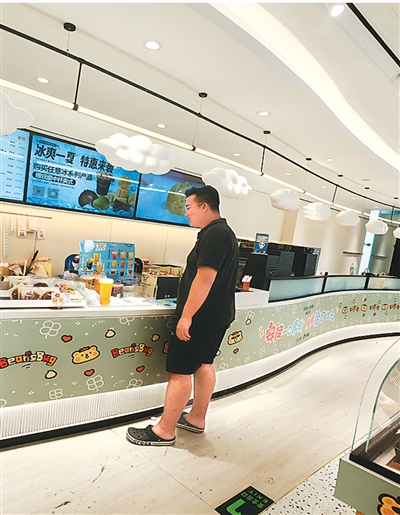
Core Viewpoint - The rise of "leftover blind boxes" is attracting consumer attention as a cost-effective way to purchase food that is near expiration or unsold from the same day [1][4]. Group 1: Consumer Experience - Consumers are drawn to "leftover blind boxes" primarily due to lower prices, with discounts often reaching nearly 50% compared to regular menu items [1]. - Positive experiences reported by consumers include receiving fresh and tasty food items, such as baked goods and sushi, at significantly reduced prices [1][3]. - The appeal of "leftover blind boxes" is particularly strong among younger consumers, who appreciate the value and variety offered [2][3]. Group 2: Business Strategy - Various food businesses, including bakeries and beverage shops, are adopting "leftover blind boxes" as a strategy to reduce food waste and attract more customers [2][3]. - Businesses often create these boxes from unsold items or those that are about to expire, ensuring that food is still within its shelf life [3]. - Some businesses proactively produce blind boxes to enhance brand visibility and reach a broader audience [3]. Group 3: Food Safety and Quality Control - While the concept of "leftover blind boxes" is innovative and addresses food waste, there are concerns regarding food safety and quality [4]. - Businesses are implementing measures to ensure the freshness of items in blind boxes, such as using only food made on the same day and advising consumers to consume items within a specific timeframe [3][4]. - Experts emphasize the importance of maintaining quality control and educating consumers about food safety to ensure the long-term success of this business model [4].
“剩菜盲盒”要盛满安全
Jing Ji Ri Bao· 2025-07-17 00:08
Core Viewpoint - The "leftover blind box" concept is gaining popularity among consumers due to its affordability, substantial portions, and the surprise element, combining fun with environmental consciousness [1] Group 1: Consumer Appeal - The "leftover blind box" offers a unique shopping experience by packaging near-expiry or unsold food items randomly, making it attractive to young consumers [1] - This approach not only reduces food waste but also promotes the values of saving food and opposing wastefulness, showcasing innovation and positive societal impact [1] Group 2: Food Safety Concerns - Despite its benefits, the potential food safety risks associated with "leftover blind boxes" cannot be overlooked, as consumers cannot know specific details like production dates and storage conditions beforehand [1] - There is a risk of merchants engaging in unethical practices such as selling expired products or substandard items due to the inherent nature of blind boxes [1] Group 3: Industry Recommendations - Merchants must prioritize food safety and quality by adhering to food safety standards and clearly labeling essential information on the blind boxes, including food types, ingredients, and expiration dates [2] - Industry associations should encourage self-regulation among merchants and impose stricter penalties for violations to create a deterrent effect [2] - Regulatory bodies need to establish clear food safety standards and monitor the supply chain effectively to ensure the safety and compliance of leftover food sources [2] - Consumer education through awareness campaigns is crucial to enhance understanding of potential risks associated with "leftover blind boxes" and to promote rational consumption [2]
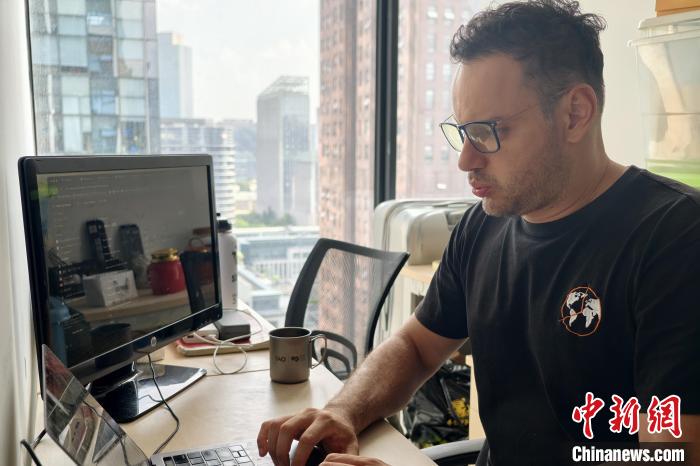
美国青年成都创业记:在“剩菜盲盒”里感受城市温度
Zhong Guo Xin Wen Wang· 2025-07-15 13:50
Core Insights - The article highlights the entrepreneurial journey of an American youth, Rocco, who has successfully established a "leftover blind box" platform in Chengdu, China, aimed at reducing food waste while providing affordable meals to consumers [1][2]. Company Overview - Rocco's platform allows restaurants to sell unsold food at a low price, transforming potential waste into a valuable product for consumers [2]. - The initiative began after Rocco discovered that a hotel was wasting 800 kilograms of food weekly, much of which was still edible [2]. Industry Context - The "leftover blind box" concept has become a unique feature of Chengdu's dining scene, reflecting a growing awareness and action against food waste in the restaurant industry [2]. - Rocco's experience illustrates the cultural nuances of doing business in China, where communication barriers exist but can be overcome with sincerity and persistence [4]. Market Dynamics - Chengdu's entrepreneurial environment is characterized by lower costs compared to the U.S., with Rocco noting that the cost of starting a business in Chengdu is only one-fifth of that in America [4]. - The local population's curiosity and willingness to try new ideas have contributed to the platform's acceptance and growth [4]. Social Impact - The platform not only addresses food waste but also fosters a sense of community, as evidenced by positive feedback from customers who appreciate the meaningfulness of their meals [5]. - Rocco's integration into Chengdu's lifestyle, including local activities and friendships, underscores the social dimension of his entrepreneurial venture [5].