
盲盒经济

Search documents
玩具不再是小孩游戏 布鲁可去年业绩大涨
BambooWorks· 2026-03-19 09:46
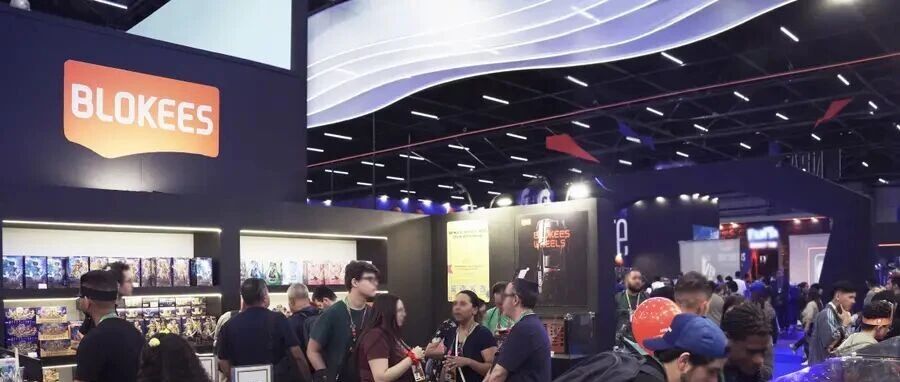
Core Viewpoint - The company, Blokke Group, successfully turned a profit last year, recording nearly $100 million in profit, primarily driven by growth in overseas sales and the introduction of low-priced toy products [1][2]. Financial Performance - Blokke Group achieved a revenue growth of 30% year-on-year, reaching 2.91 billion yuan (approximately $423 million), and recorded a profit of 634 million yuan, successfully reversing four consecutive years of losses [2][4]. - The significant reduction in administrative expenses by 78.9% contributed to the profit turnaround, dropping from 465 million yuan in 2024 to 98.1 million yuan in 2025 [4]. - The gross profit margin declined by 5.8 percentage points from 52.6% to 46.8%, mainly due to increased costs associated with new product molds and lower margins from the newly launched low-priced blind box products [4][5]. Product Strategy - The company launched its first batch of blind box products priced at only 9.9 yuan (approximately $1.5), which quickly accounted for 18.6% of total revenue [5]. - Blokke's strategy relies heavily on continuous new product launches and overseas expansion, with plans to introduce 913 new products in 2025, increasing the total to 1,447 [8]. - The company has also added 23 new licensed IPs, bringing the total to 73, including well-known franchises like Disney's "Toy Story" and "Zootopia" [8]. Market Position and Competition - Blokke is one of the top five manufacturers of character building and action toys globally and the largest in China, but it lacks proprietary toy IPs, which raises concerns about brand loyalty compared to competitors like Hasbro, Mattel, and local rival Pop Mart [2][7]. - The company faces challenges in maintaining its leading position in a competitive and rapidly changing global toy market, relying on licensed IPs for 76.2% of its revenue [7][8]. - Competitors like Pop Mart have established their own IPs and successfully tapped into the emotional economy of the Chinese toy market, which Blokke has yet to achieve [8]. Overseas Expansion - Blokke is actively expanding into overseas markets, with projected overseas revenue growth from 64.2 million yuan in 2024 to 318.9 million yuan in 2025, a fourfold increase [8]. - The company distributes its products through international retail channels like Amazon, Walmart, and Target, which compresses profit margins [9]. - Blokke is attempting to build its own user community through the launch of the Blokees fan community app and participation in major international toy fairs [9]. Future Outlook - Analysts predict that Blokke's revenue growth will range between 25% and 42% over the next two years, with a current price-to-sales ratio of approximately 5.8, significantly higher than Miniso's 1.88 but only half of Pop Mart's 11.3 [9]. - While the company's successful turnaround adds credibility to its goal of becoming a major player in the Chinese toy market, it must focus more on high-margin businesses to maintain long-term profitability [10].

盲盒消费:未知的惊喜在转角
Xin Lang Cai Jing· 2026-02-01 19:22
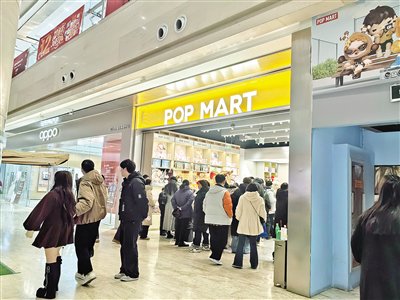
Core Insights - The popularity of blind box products is increasing, with consumers actively engaging in the purchasing experience, as seen in a store in Hohhot where many customers were excitedly selecting and opening blind boxes [3][4] - The pricing of blind boxes varies significantly, with regular series priced between 59 to 79 yuan, while themed and collaboration series can range from 199 to 699 yuan [4] - The blind box economy is shifting consumer behavior from predictable purchases to a more engaging experience of uncertainty and surprise [4] Consumer Behavior - Consumers are using tactile methods to enhance their chances of selecting desired items, such as shaking the boxes to gauge the contents [3] - The experience of unboxing is a significant draw for consumers, as evidenced by the joy expressed by customers when they reveal their purchases [3][4] Product Offering - The variety of products available in blind boxes includes figures, keychains, and badges, catering to diverse consumer interests [4] - The introduction of lower-priced blind bags at 19.9 yuan offers an accessible entry point for consumers, enhancing the appeal of the blind box concept [4] Regulatory Considerations - The China Consumers Association emphasizes the need for transparency in blind box sales, requiring that key information such as product origin, composition, and safety warnings be disclosed to consumers [5] - There are concerns among consumers regarding the quality and transparency of the products within blind boxes, highlighting the importance of regulatory compliance in this market [5]
警惕盲盒“拆包换卡”
Xin Lang Cai Jing· 2026-01-25 22:24
Core Viewpoint - The rise of the blind box economy has led to some businesses manipulating extraction probabilities through deceptive practices, harming consumer rights [1][2] Group 1: Regulatory Actions - The Shanghai Jiading District Market Supervision Administration has initiated investigations into Company A and Company B for trademark infringement related to blind box products [1] - Company B purchased 30 boxes of the involved products at a significantly lower price, aware of tampering with the packaging QR code, and shipped them to Company A without proper inspection [1][2] - The investigation revealed that while the internal cards were genuine, the extraction probabilities were altered, violating consumer rights and the Shanghai Consumer Rights Protection Regulations [2] Group 2: Compliance and Consumer Protection - Blind box operators are reminded to fulfill their due diligence in verifying product sources and ensuring the accuracy of probability disclosures [3] - Key information such as extraction rules, product distribution, and probabilities must be prominently displayed and consistent with actual offerings [3] - Consumers are advised to be cautious of misleading promotions and to verify product authenticity through official channels [3]
泡泡玛特,强势反弹!南向资金大举买入
证券时报· 2026-01-23 13:13
Core Viewpoint - The recent rebound of Pop Mart, one of the "new consumption three sisters" in Hong Kong stocks, is attributed to its first share buyback in two years, boosting market confidence and attracting institutional investment [1][3][5]. Group 1: Stock Performance - As of January 23, Pop Mart's stock rose by 6.6%, with a weekly increase of approximately 23%, marking the largest weekly gain in nearly three years [2]. - In the past seven trading days, net purchases by southbound funds reached nearly 1.7 billion HKD [2]. - Following the announcement of share buybacks, Pop Mart's stock saw a significant rebound, closing up about 9% on January 20, with intraday gains exceeding 10% [5]. Group 2: Share Buyback Details - On January 19, Pop Mart announced a buyback plan to spend 251 million HKD to repurchase 1.4 million shares at prices ranging from 177.7 to 181.2 HKD per share, marking the company's first buyback since early 2024 [4]. - A subsequent announcement on January 21 revealed an additional buyback of 96.49 million HKD for 500,000 shares at prices between 191.1 and 194.9 HKD per share, bringing the total buyback amount to nearly 350 million HKD [5]. Group 3: Market and Product Insights - The blind box market remains strong, with the release of the "Starry People" Valentine's Day limited edition blind box series selling out quickly and achieving high resale prices in the secondary market [3][9]. - The "PUCKY Knock Knock Series" blind box has also gained popularity, with secondary market prices showing a significant premium [9]. - Pop Mart's other IPs, such as HACIPUPU and CRYBABY, have shown impressive growth rates of 249.6% and 248.7% year-on-year, respectively [9][10]. Group 4: Strategic Developments - Pop Mart is diversifying its IP matrix and leveraging its brand for cross-industry collaborations, such as the release of a limited edition phone in partnership with Honor [10]. - The company is also expanding its product offerings through its independent dessert brand, POP BAKERY, which features various themed products [10].

抽取概率遭人为改变 上海市市场监管部门提醒警惕盲盒“拆包换卡”
Xin Lang Cai Jing· 2026-01-23 04:27
Core Viewpoint - The rise of the blind box economy has led to consumer rights violations due to some businesses manipulating the odds of rare card appearances through deceptive practices like "packaging swaps" [1][2] Group 1: Regulatory Actions - The Shanghai Jiading District Market Supervision Administration has initiated investigations into Company A and Company B for trademark infringement related to blind box products [1] - Company B was found to have purchased products at significantly lower prices and failed to verify the legality of the goods, leading to altered odds that misrepresented consumer expectations [2] Group 2: Consumer Rights and Responsibilities - Consumers are advised to be cautious of misleading promotions such as "low price guarantees" and "hidden must-have items" to avoid excessive spending on blind boxes [3] - It is recommended that consumers check packaging for anti-counterfeiting labels and retain transaction receipts to verify product authenticity and odds information [3] Group 3: Industry Guidelines - Blind box operators must strictly adhere to sourcing verification obligations, ensuring the legality and accuracy of product odds [3] - Key information such as extraction rules, product distribution, and actual odds must be prominently displayed and consistent with what is offered [3]
歌手与知名品牌合作推出联名款,销量火爆
Sou Hu Cai Jing· 2026-01-20 05:22
Core Insights - The article highlights the transformative impact of music IP collaborations on China's consumer market, particularly in 2025, where notable artists have generated significant sales through brand partnerships [2][8] Group 1: Music IP and Brand Collaborations - In the first half of 2025, collaborations led by artists like Jay Chou and Jolin Tsai generated over 1.5 billion yuan in sales, showcasing the core value of music IP among young consumers [2] - The brand Couple Hunnid, led by rapper Xie Di, launched over 200 products on the Dewu App, achieving a single-day GMV of over 200 million yuan, indicating the effectiveness of artist influence in activating consumer engagement [4] - The tea brand Cha Bai Dao partnered with the animated IP "Toy Story" to launch limited edition drinks, achieving over 300,000 cups sold on the first day, demonstrating the power of music marketing in revitalizing product offerings [4] Group 2: Technological Integration and Product Innovation - The collaboration between singer and motorcycle racer Marc Marquez and the Ace Pro2 sports camera resulted in a 160% year-on-year GMV increase during the 618 shopping festival, highlighting the dual appeal of professional performance and emotional connection through music [5] - The partnership between Pop Mart and the animated film "Ne Zha 2" led to over 10 million yuan in sales within eight days, indicating a new consumer trend driven by the fusion of blind box economics and music IP [5] Group 3: Long-term Brand Strategy - Brands are shifting focus from short-term sales spikes to sustainable operational models, with Dewu App achieving a 38% repurchase rate for Couple Hunnid, surpassing the industry average by 22 percentage points [6] - The tea brand leveraged Jolin Tsai's concert to open pop-up stores in ten cities, resulting in a 215% year-on-year increase in new memberships, illustrating the effectiveness of integrating offline and online marketing strategies [6] - Music marketing is evolving into a comprehensive brand strategy, as seen in Sprite's collaboration with Zhang Yixing, which generated over 5 million private domain users and a 65% year-on-year sales increase for its beverage line [6] Group 4: Industry Challenges and Future Outlook - The rise of co-branded products has led to challenges such as homogenization and supply chain risks, with some brands facing backlash due to quality issues and a 70% sales drop after the initial marketing hype [7] - Experts emphasize the need for cultural alignment, supply chain capability, and long-term value planning in artist collaborations to avoid falling into the "traffic trap" [7] - The market for music IP licensed products is projected to exceed 80 billion yuan by 2025, with a compound annual growth rate of 35%, indicating a sustained release of commercial value as Generation Z becomes the primary consumer group [8]

泡泡玛特在墨西哥的合作生产基地投入运营 将加大北美市场供应
Xin Lang Cai Jing· 2026-01-06 04:12
Core Insights - Pop Mart has launched a cooperative production base in Mexico to meet the strong demand for trendy toys in the rapidly growing North American market [1][2] - The company has expanded its supply network by partnering with production facilities in Mexico, Cambodia, and Indonesia, as it does not own any factories [1][2] - Since the Labubu doll became a global phenomenon last year, Pop Mart has been increasing its production capacity to address the soaring demand across China, Japan, the United States, and Southeast Asia, leading to frequent stock shortages in physical stores and rising resale prices [1][2] - As one of the few Chinese brands gaining global consumer popularity, Pop Mart is significantly investing in the U.S. market, planning to double the number of its stores in the country this year, currently operating around 60 stores and 100 "roboshop" vending machines [1][2] - Concerns regarding the sustainability of Labubu's popularity have suppressed Pop Mart's stock price in Hong Kong, which has declined approximately 40% since reaching a record high in August of last year [1][2]

二手拉布布跌破原价 泡泡玛特股价大跌
YOUNG财经 漾财经· 2025-12-30 09:23
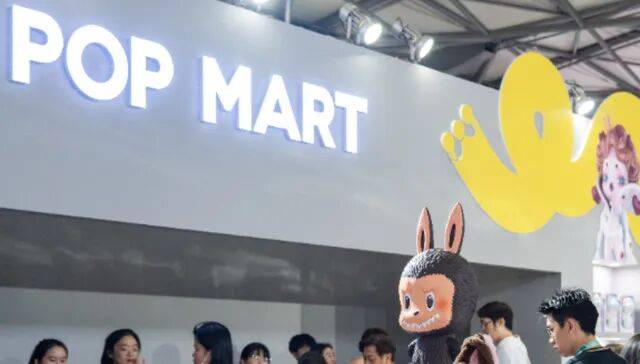
Core Viewpoint - The second-hand market prices for Labubu series blind boxes from Pop Mart have significantly dropped, leading to discussions about the implications for the brand and its future sales strategy [2][5][11]. Group 1: Price Decline in Second-Hand Market - The average price of the Labubu "Sitting Party" plush series, originally priced at 594 yuan, surged to over 1400 yuan in July but has now plummeted to around 630 yuan [6]. - The lowest transaction price for a single blind box, originally priced at 99 yuan, has fallen to 60 yuan, below the original price [6]. - Hidden variants, once valued at 46,000 yuan, have seen a drastic decline to approximately 480 yuan, marking a drop of over 98% [8]. Group 2: Market Dynamics and Consumer Sentiment - The number of Labubu listings on platforms like Xianyu has increased, but transaction prices continue to decline, with the average price dropping to 83.5 yuan since June [8]. - 68% of users on these platforms anticipate further price declines, indicating a bearish sentiment towards Labubu's market performance [8]. - Some consumers express dissatisfaction with the current pricing, stating that even discounted prices are still considered expensive [10][11]. Group 3: Company Strategy and Financial Impact - In 2023, Labubu achieved over 100 million units sold, becoming the fastest-growing IP for Pop Mart, but the increase in monthly production capacity from 10 million to 50 million units is seen as a factor contributing to the price collapse [11]. - Analysts from Deutsche Bank have warned that Pop Mart is engaging in a risky strategy by trading scarcity for short-term revenue growth, which could lead to a decline in brand desirability [11]. - Morgan Stanley's report suggests that Pop Mart is transitioning from explosive growth to a phase of sustainable growth, with revenue growth for Labubu expected to slow significantly by 2026 [14].
Labubu盲盒二手价大“跳水”
Sou Hu Cai Jing· 2025-12-29 13:36
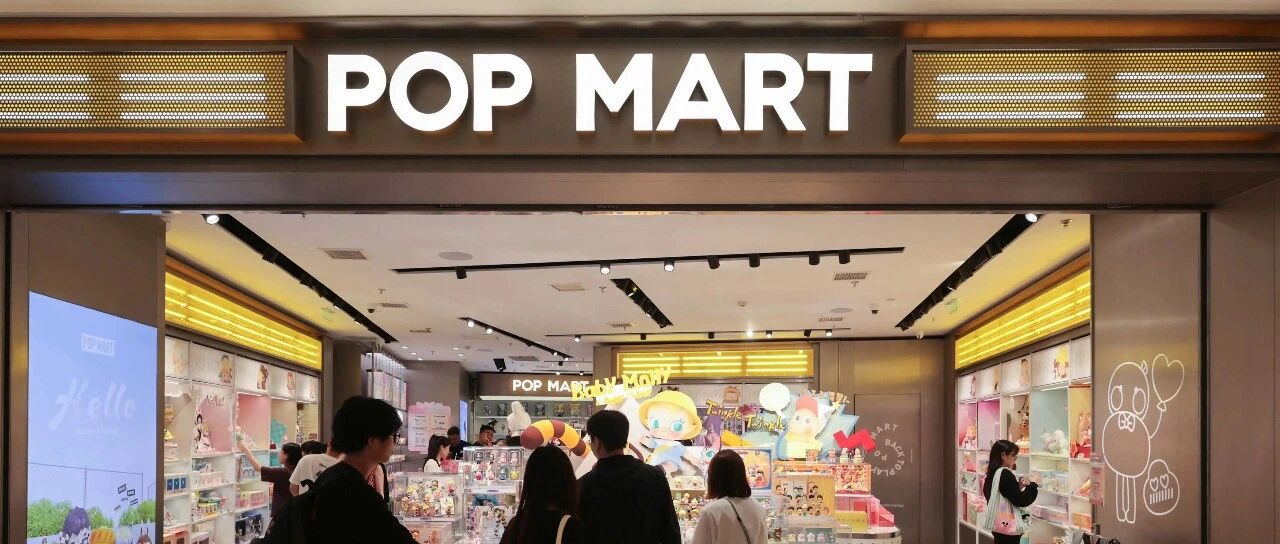
Group 1 - The Labubu blind box prices have significantly declined in the secondary market after initially soaring to high levels shortly after their release [2] - The Labubu series saw a drastic price drop from over 4600 yuan to around 260 yuan, with the fourth generation mini Labubu following a similar trend [2] - Recent data from the Dewu APP indicates that the average transaction price for the Labubu blind box has been on a downward trend, with a recent average of 117.17 yuan [2] Group 2 - Morgan Stanley reports that Pop Mart is transitioning from a phase of explosive growth to a phase of sustainable growth, predicting a slowdown in revenue growth for Labubu by 2026 [3] - Pop Mart's recent performance has been strong, with a reported revenue increase of 245% year-on-year for Q3 2025, including a 185%-190% increase in China and a 365%-370% increase overseas [3] - The company's stock reached a historical high of 339.8 HKD, with a market capitalization exceeding 420 billion HKD, but has since declined to 199.90 HKD per share [3]
图书盲盒:打破信息茧房还是为情绪消费?
Xin Hua Wang· 2025-12-20 23:32
Core Insights - The rise of book blind boxes is reshaping reading habits among young people, blending physical books with the blind box economy, and raising questions about whether this trend promotes deep reading or merely serves as emotional consumption [1][2][3] Group 1: Market Dynamics - Book blind boxes are gaining popularity as a means for bookstores to clear inventory and engage customers, with one bookstore owner selling over 10,000 boxes after a successful online launch [3] - The pricing strategy for blind boxes typically involves a fixed price of 99 yuan, with the total value of the books exceeding 180 yuan, providing customers with perceived value [3] - The blind box model allows bookstores to transition from passive sales to active recommendations, potentially offering a new approach for the traditional publishing industry [3][5] Group 2: Consumer Behavior - Young consumers are increasingly prioritizing emotional experiences over the absolute quality of book content, with blind boxes providing a gamified, social, and simplified choice experience [2][5] - The emotional satisfaction derived from receiving a curated selection of books is seen as a form of psychological comfort in an era of information overload [2][5] - Some consumers have reported mixed experiences, with instances of receiving books they already own or do not prefer, leading to a debate about the value of blind boxes [5][6] Group 3: Industry Challenges - The blind box model faces challenges such as thin profit margins and high labor costs, with some bookstore owners working extensive hours to manage operations [4] - Concerns exist regarding the potential decline in book quality if the focus shifts solely to attracting traffic rather than maintaining content standards [3][5] - The ongoing debate about the balance between cultural and commercial aspects of book consumption highlights the risk of diminishing the depth of knowledge dissemination through gamified experiences [5][6] Group 4: Future Directions - For sustainable development, the industry must prioritize content quality, innovate service offerings, and enhance cultural value through collaborations with other sectors [6]