
发展范式转换

Search documents
刘尚希:缩小贫富差距应在底线公平上做文章,防止两极分化为创造性破坏兜底
Xin Lang Cai Jing· 2026-01-15 02:44
Core Viewpoint - The forum emphasizes the need for a transformation in development paradigms to achieve common prosperity, which is a fundamental characteristic of Chinese-style modernization, differing from Western modernization [1][3][7]. Group 1: Common Prosperity - Common prosperity is identified as a complex issue in human civilization that requires a shift in development paradigms [3][7]. - Short-term efforts to reduce distribution gaps focus on material aspects, while long-term efforts should address human capabilities, as disparities in income, wealth, and consumption stem from differences in knowledge and skills among groups [3][7]. - The issue of common prosperity is fundamentally a human issue, necessitating a shift in traditional thinking to consider human factors [3][7]. Group 2: Distribution Expectations - The need to reshape distribution expectations is highlighted, focusing on the relationship between outcome fairness and opportunity fairness [4][9]. - It is essential to ensure basic living standards for individuals who may lose jobs due to technological advancements like robotics and artificial intelligence [3][7]. - The agricultural population remains a significant aspect of China's social structure, making the issues faced by farmers crucial for achieving common prosperity [3][7]. Group 3: Transformation of Development Paradigms - Three key points for transforming development paradigms are proposed: 1. Theoretical Logic: Shift from wealth accumulation to knowledge accumulation, integrating investments in both material and human capital for comprehensive development [4][8]. 2. Practical Logic: Empower individuals and foster creativity to build an innovative and socially mobile system [4][9]. 3. Breaking the Urban-Rural Dual Structure: Promote integrated urban-rural development through new urbanization, reshaping social, economic, and regional structures based on effort and contribution [4][9].

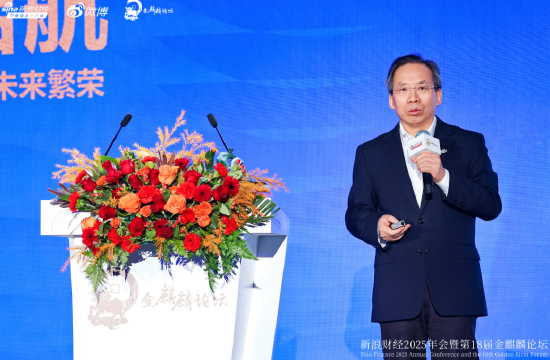
刘尚希:共同富裕背后的问题是人的问题
Xin Lang Cai Jing· 2026-01-15 02:38
Core Viewpoint - The forum emphasizes the need for a transformation in development paradigms to achieve common prosperity, which is a fundamental characteristic of Chinese-style modernization [1][5]. Group 1: Common Prosperity - Common prosperity is identified as a complex issue in human civilization that requires a shift in development paradigms [3][7]. - Achieving common prosperity differs from Western modernization, as it involves addressing capability disparities among different groups rather than merely focusing on material wealth [3][7]. - The disparity in income, property, and consumption reflects underlying differences in knowledge, skills, and opportunities among groups, necessitating a human-centered approach to common prosperity [3][7]. Group 2: Distribution Expectations - The need to reshape distribution expectations is highlighted, focusing on the relationship between outcome fairness and opportunity fairness [4][7]. - It is suggested that addressing bottom-line fairness can help prevent extreme polarization in society, especially in the context of job displacement due to technological advancements like AI and robotics [3][7]. Group 3: Development Paradigm Transformation - Three key points for transforming the development paradigm are proposed: 1. **Theoretical Logic**: Shift from wealth accumulation to knowledge accumulation, integrating investment in both material and human capital for holistic development [4][8]. 2. **Practical Logic**: Empower individuals to unleash their creativity and subjectivity, fostering an innovative and socially mobile environment [4][9]. 3. **Urban-Rural Integration**: Accelerate the dismantling of the urban-rural dual structure through new urbanization, reshaping social, economic, and regional structures to ensure equitable distribution based on effort and contribution [4][9].