
口服大分子药物

Search documents
口服司美格鲁肽片:诺和诺德在2026的开年王炸
华尔街见闻· 2026-02-05 09:56
Core Insights - Novo Nordisk's oral semaglutide tablet has established its dominance in the diabetes and obesity market, with weekly prescriptions surpassing 26,000 by January 23, 2026, showcasing strong market momentum [1][2] - The company is refocusing its strategy on core areas of diabetes and obesity, moving away from a previously diversified business model, and anticipates that oral weight loss medications will capture significant market share [2][7] Product Launch and Market Performance - The oral semaglutide, branded as Wegovy Pill, launched in the U.S. on January 5, 2026, quickly became a leading product in the obesity market, with prescriptions increasing from 3,071 in the first four days to over 18,000 by January 16, and further to 26,109 by January 23 [1][2] - The preference for oral medications over injections among chronic disease patients is expected to enhance treatment adherence, which is crucial for achieving therapeutic efficacy [2] Technological Innovation - Novo Nordisk's SNAC technology has successfully addressed the challenges of oral peptide delivery, which has historically been difficult due to the gastrointestinal environment that degrades peptides [4] - SNAC works by creating a temporary non-covalent bond with the peptide, enhancing its lipophilicity and allowing it to penetrate the intestinal barrier, thus entering the bloodstream effectively [4] Clinical Evidence - The PIONEER clinical trial series has provided robust data supporting the efficacy and safety of oral semaglutide, demonstrating superior glycemic control compared to other diabetes medications [5][6] - In head-to-head trials, oral semaglutide showed significant advantages over DPP-4 inhibitors and comparable efficacy to injectable formulations, challenging the traditional belief that oral medications are less effective [6] Market Strategy in China - The oral semaglutide, branded as 诺和忻, was launched in China in January 2025, marking it as the first approved GLP-1 oral medication in the country, which is expected to significantly impact diabetes treatment [7] - The company has secured patent protection for semaglutide, which will provide a competitive edge against domestic generic manufacturers, despite their interest in developing similar products [7] Digital Health Initiatives - Novo Nordisk is collaborating with local Chinese health platforms to enhance diabetes management through a comprehensive digital health strategy, integrating medication with patient services to improve treatment adherence and outcomes [8] Future Outlook - The introduction of oral semaglutide is seen as a pivotal moment in the management of metabolic diseases, with the potential to simplify long-term health management for patients [9]


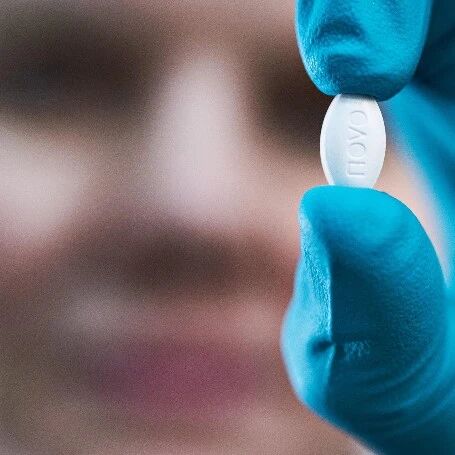
未来已来,看口服司美如何重塑糖尿病的治疗价值
智通财经网· 2025-12-10 08:49
Core Insights - A recent study by the Chinese Center for Disease Control and Prevention highlights the alarming economic burden of diabetes in China, projecting that by 2030, costs related to diabetes could reach $460 billion, accounting for one-third of the national public health expenditure in 2024 [1] - The study indicates that the direct medical costs associated with diabetes are only a fraction of the total burden, with complications leading to increased hospitalization, productivity loss, and indirect costs [1] Group 1: Treatment Paradigm Evolution - Over the past 30 years, the treatment philosophy and technology for diabetes in China have undergone significant changes due to the growing patient population and disease burden [2] - The evolution of diabetes medications has transitioned from traditional drugs to insulin therapies and newer glucose-lowering agents, with a focus on addressing complex pathophysiological mechanisms [2] - Recent advancements include SGLT2 inhibitors and GLP-1 receptor agonists, which not only lower blood sugar but also show potential cardiovascular protection and reduced kidney disease risk [2] Group 2: Shift Towards Personalized Treatment - There is a growing recognition among endocrinologists that solely targeting blood sugar levels is insufficient for addressing metabolic disorders in patients [3] - The focus of diabetes management is shifting towards metabolic syndrome management through precision medicine and multi-target drug development [3] - The demand for more convenient and quality-of-life-enhancing administration methods is increasing, leading to a trend towards oral medications [3] Group 3: Breakthroughs in Oral Drug Delivery - Oral medications are preferred for their ease of use, but the delivery of large-molecule drugs has been challenging due to their physicochemical properties [4] - Innovations in drug delivery systems, such as Emisphere's Eligen technology and MYCAPSSA, aim to overcome barriers to oral absorption of large molecules [4] - Novo Nordisk's development of SNAC as an absorption enhancer for oral semaglutide represents a significant breakthrough in the field [5][6] Group 4: Comprehensive Metabolic Benefits - GLP-1 receptor agonists provide multiple therapeutic benefits beyond glucose control, including weight loss, improved lipid profiles, and cardiovascular and renal protection [7][8] - Clinical trials have demonstrated that oral semaglutide significantly reduces HbA1c levels and body weight while also lowering blood pressure and improving lipid levels [8] - The recent SOUL trial results indicate that oral semaglutide reduces the risk of major adverse cardiovascular events (MACE) by 14%, with even higher reductions in specific populations [8] Group 5: Innovative Payment Models - The introduction of innovative payment systems is essential for improving access to oral glucose-lowering medications and reducing the economic burden on patients and society [10] - The "Xinxiang Care" patient support program aims to alleviate medication costs and enhance treatment accessibility for type 2 diabetes patients [10] Group 6: Future of Diabetes Treatment - The emergence of oral GLP-1 receptor agonists marks a new era in diabetes treatment, integrating treatment into daily life and enhancing patient experience [11] - Oral semaglutide is the first and currently the only oral GLP-1 receptor agonist proven to have cardiovascular benefits, indicating a shift in chronic disease management [12]