古滇文明

Search documents
【探索】收藏!沪上各大博物馆马年春节观展攻略→
Xin Lang Cai Jing· 2026-01-25 09:00
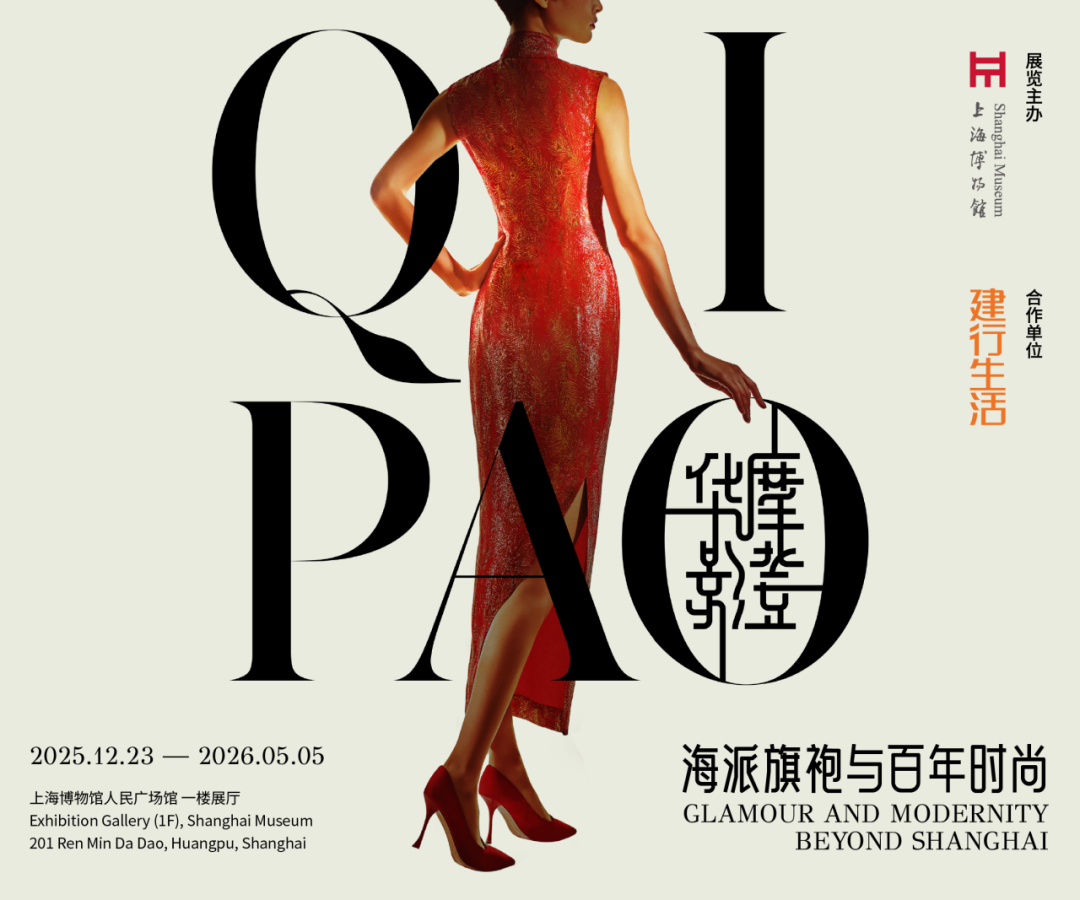
Core Insights - The article highlights various cultural exhibitions in Shanghai, showcasing a rich array of historical artifacts and artistic expressions, inviting the public to engage with cultural heritage during the upcoming Spring Festival [1]. Exhibition Summaries 1. Modern Huaying: Shanghai Cheongsam and Century-Old Fashion - The exhibition features nearly 306 pieces of cheongsam and fashion artifacts spanning over a century, with core exhibits donated by Ms. Bei Qia and Mr. Zhang Xinzhe [3]. - Duration: Now until May 5, 2026; Location: Shanghai Museum, People's Square [4]. - Admission: Free [4]. 2. Rome: From Olympus to Capitol - This exhibition includes 131 precious artifacts from the Liverpool National Museum, covering various categories such as sculptures, pottery, and glassware, all making their debut in Shanghai [7][10]. - Duration: Now until May 5, 2026; Location: Expo Museum [10]. - Admission: Free [10]. 3. Fusion of Ancient and Modern: Innovations in Bronze Art from the Song, Yuan, Ming, and Qing Dynasties - The exhibition features approximately 178 pieces, showcasing bronze artifacts from the Shanghai Museum and the Metropolitan Museum of Art, along with related artworks [13][14]. - Duration: Now until March 16, 2026; Admission: Free [14]. 4. Echoes of the Silk Road: Treasures and Civilizational Imprints from Xinjiang - The exhibition presents 110 precious artifacts that illustrate the unique position of ancient Xinjiang on the Silk Road, covering aspects of governance, trade, and cultural life [17][19]. - Duration: Now until May 19, 2026; Location: Minhang District Museum; Admission: Free [19]. 5. Galloping Steeds: Year of the Horse Technology and Culture Exhibition - This exhibition features 27 horse-themed artifacts from the Palace Museum and 11 rare horse specimens, highlighting the cultural significance of horses in Chinese civilization [22]. - Duration: February 17 to August 16, 2026; Location: Shanghai Science and Technology Museum; Admission: Early bird adult tickets available [22]. 6. Admiring Agarwood: Hainan Agarwood Culture Exhibition - This exhibition showcases rare agarwood artifacts and historical documents, emphasizing the cultural significance of agarwood in Chinese tradition [25]. - Duration: January 24 to March 22, 2026; Location: Shanghai History Museum; Admission: Free [25]. 7. Evidence of the Ancient Dian Kingdom: Yunnan Ancient Dian Civilization Exhibition - The exhibition features over 200 artifacts from the ancient Dian Kingdom, exploring its integration into Chinese civilization [28][29]. - Duration: Now until March 9, 2026; Admission: Requires museum entry ticket [30]. 8. Roaring Across the Land: China Dinosaur Exhibition - The exhibition includes 118 representative dinosaur specimens, narrating the evolutionary story of dinosaurs and their significance in Chinese geological history [30][32]. - Duration: Now until February 28, 2026; Location: Shanghai Natural History Museum; Admission: Requires museum entry ticket [32].

“滇王之印”领衔,揭谜失落的古滇国
Xin Lang Cai Jing· 2025-11-19 12:38
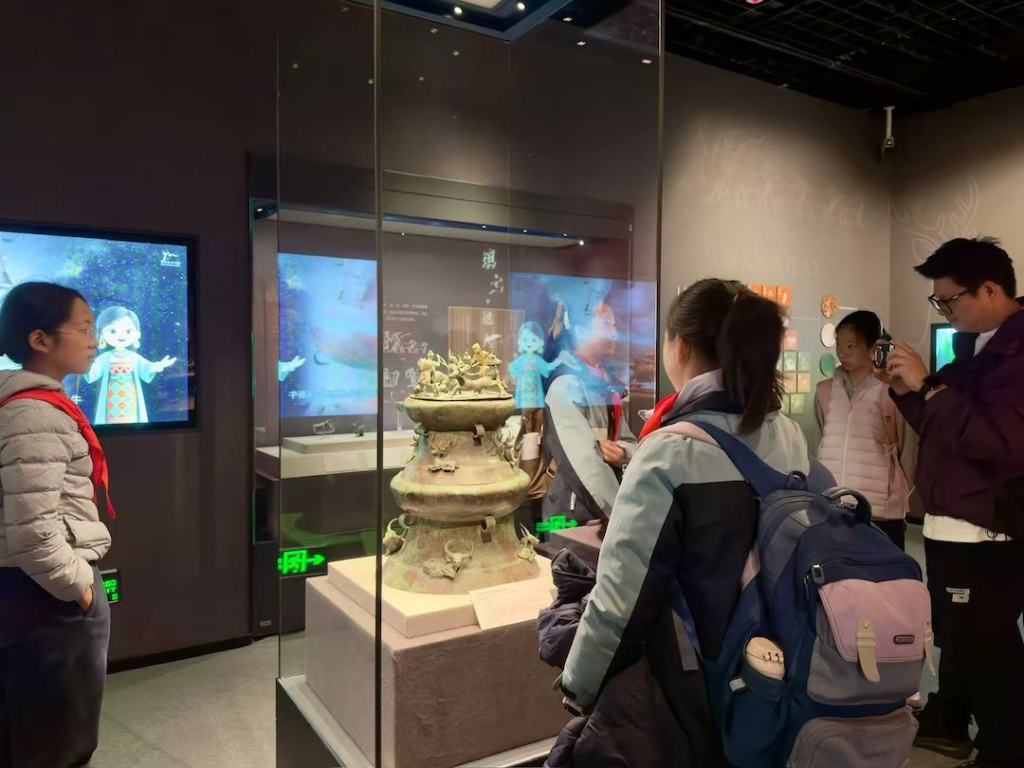
Core Viewpoint - The exhibition "Evidence of the Dian Kingdom - Special Exhibition of Ancient Dian Civilization" showcases over 200 artifacts, highlighting the archaeological achievements of Dian culture over the past 70 years, and emphasizes the integration of the ancient Dian Kingdom into Chinese civilization [1][3][5]. Group 1: Exhibition Overview - The exhibition is a collaboration between the China Maritime Museum and the Yunnan Provincial Museum, marking the first comprehensive display of ancient Dian archaeological findings in Shanghai [1]. - It features five thematic sections: "Lost and Reappeared," "Dian Soil and People," "Deities and the World," "Conflict and Fusion," and "Dian Soul and Han Style," centered around the "Dian King Seal" [1][3]. Group 2: Artifacts and Their Significance - The exhibition includes 200 artifacts, with 29 first-class cultural relics, and over 70% of the items being precious artifacts, many of which are displayed in Shanghai for the first time [3]. - Notable artifacts include the "Dian King Seal," which serves as crucial evidence of the existence of the Dian Kingdom, and the "Dian State Seal" clay seal, marking the first appearance of "Dian State" in archaeological finds [5][9]. Group 3: Cultural Insights - The artifacts reflect the unique characteristics of Dian bronze civilization, showcasing advanced casting techniques and a rich representation of social life, including religious rituals and daily activities [19][20]. - The exhibition illustrates the artistic fusion between the local Dian culture and Han culture, as seen in items like the copper kettle with peacock motifs and the gold-plated dance ornaments [14][15]. Group 4: Exhibition Experience - The exhibition employs various multimedia techniques, including sound, light projections, and interactive displays, to enhance visitor engagement and understanding of the ancient Dian civilization [31].
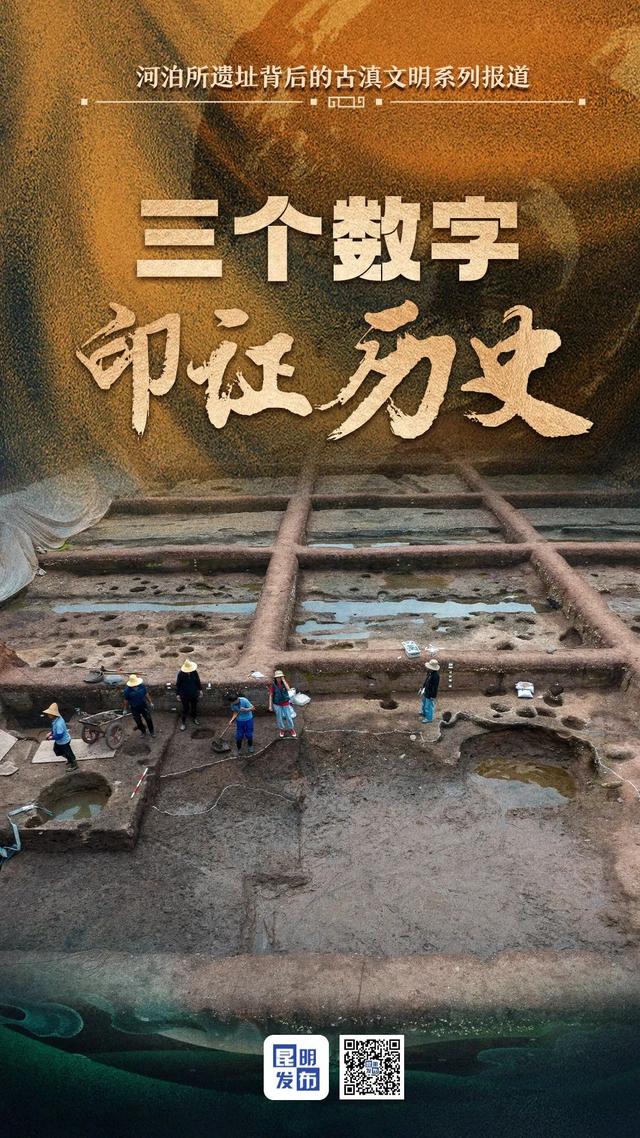
河泊所遗址背后的古滇文明 | 三个数字印证历史
Bei Jing Ri Bao Ke Hu Duan· 2025-05-03 02:52
Core Viewpoint - The excavation of the Heipos site reveals significant archaeological findings that provide insights into the governance and administrative structure of the Yizhou Commandery during the Western Han Dynasty, highlighting the importance of this site in understanding historical governance in southwestern China [3][7][10]. Group 1: Archaeological Findings - The Heipos site has uncovered nearly 300 meters of roads, over 2,000 seal impressions, and more than 50,000 bamboo slips, making it the largest collection of such artifacts found in Yunnan to date [3][11]. - The discovered roads, which are approximately 12 meters wide, show clear layering and were constructed using various materials, indicating a sophisticated urban infrastructure [4][6]. - Two large Han Dynasty high platform structures were found near the roads, suggesting the site was likely the administrative center of the Yizhou Commandery [6][10]. Group 2: Historical Significance - The seal impressions found at the site include titles such as "Yizhou Governor" and "Dian Kingdom Seal," providing direct evidence of the administrative practices of the Western Han government in the southwestern frontier [8][10]. - The bamboo slips contain records related to governance, including official documents, legal texts, and census data, which are crucial for understanding the political and social structure of the time [11][13]. - The findings fill gaps in the understanding of the grassroots administrative structure during the Han Dynasty, particularly in the context of multi-ethnic governance [16]. Group 3: Implications for Archaeology - The Heipos site is recognized as the largest and most culturally rich archaeological site in Yunnan from the Shang to the Han periods, which is expected to advance archaeological research in the region [17]. - The discoveries at Heipos are anticipated to provide a more comprehensive view of the historical governance and societal organization in ancient China, particularly in border regions [16][17].