博物馆展览

Search documents
这场庙会“不一般”
Jin Rong Shi Bao· 2026-02-27 02:05
Core Viewpoint - The exhibition "Fan Drum Movement in Youyan - Cultural Exhibition of Temple Fairs in Beijing-Tianjin-Hebei" showcases over 260 artifacts, allowing visitors to experience the rich historical and cultural heritage of the three regions through immersive displays and interactive elements [1]. Group 1: Exhibition Overview - The exhibition features over 260 selected artifacts, folk tools, and artworks, highlighting the cultural characteristics of the Beijing-Tianjin-Hebei region through three main themes: "Divine Worship and Blessings," "Flower Fair Performances," and "Variety of Goods" [1]. - The exhibition is a collaboration between multiple institutions, including the Capital Museum, Tianjin Museum, and Hebei Museum, emphasizing the interconnectedness and shared cultural heritage of the three regions [1]. Group 2: Artifacts and Cultural Significance - Notable artifacts include the Yongzheng coral red ground enamel vase, which exemplifies the pinnacle of imperial craftsmanship and is considered a treasure of the Capital Museum [2]. - The exhibition presents a range of items from sacred religious artifacts to everyday objects, illustrating the dual role of temple fairs as both "places of faith" and "markets for material exchange" [2]. Group 3: Historical Context and Visual Representation - The history of temple fairs in the Beijing-Tianjin-Hebei region dates back nearly a thousand years, with the earliest records tracing back to the Liao Dynasty [3]. - The exhibition features a large mural depicting famous "flower fair" scenes, complemented by dynamic restoration scenes that recreate the lively atmosphere of traditional temple fairs [3]. Group 4: Interactive Elements - The exhibition incorporates physical props that enhance the immersive experience, such as a 180 cm tall lion dance prop, which showcases traditional customs of driving away evil spirits [4]. - The "Zongren" (a traditional Beijing handicraft) performance of "Three Heroes Battling Lu Bu" allows visitors to engage with the art form, bringing "sleeping artifacts" to life through interactive displays [4].
1月沈阳最新房价出炉!浑南区将推动沈抚城际铁路恢复开行|栋察楼市早报(2.15)
Sou Hu Cai Jing· 2026-02-16 19:26
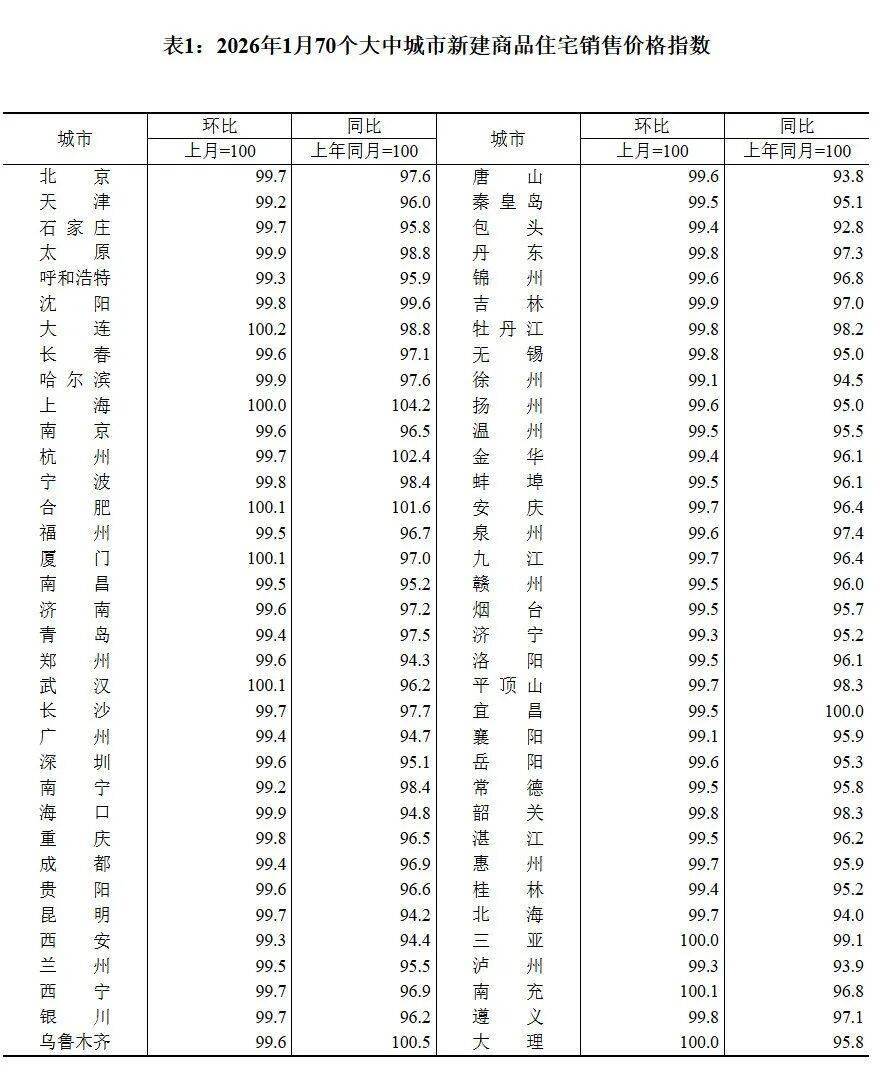
Real Estate Market - In January 2026, new home prices in Shenyang decreased by 0.2% month-on-month and fell by 0.4% year-on-year, while second-hand home prices remained stable month-on-month and decreased by 3.4% year-on-year [1][2][3]. Transportation Development - The Hunnan District is set to promote the resumption of the Shenyang-Fushun intercity railway, aiming to enhance transportation infrastructure and improve public transport services during the 14th Five-Year Plan period [4][6]. - A comprehensive modern transportation network will be developed, integrating various modes of transport including high-speed rail, conventional rail, and urban transit systems to facilitate easier travel for citizens [6][10]. Hotel Industry - The Meizhu Hotel on Youth Street in Shenyang has recently opened and is available for booking on the Accor website [14]. Cultural Events - The Liaoning Provincial Museum is hosting the "Galloping Horses" zodiac cultural exhibition, featuring over a hundred artifacts related to horses, which is a significant cultural event leading up to the Spring Festival [15][18]. - The exhibition includes five thematic units that explore the cultural significance of horses in Chinese civilization, showcasing artifacts from various categories such as ceramics and paintings [15][17].

让我们赏马、观鲸,聆听蜜蜂的声音|新年假期展览推荐
Di Yi Cai Jing· 2026-02-12 01:01
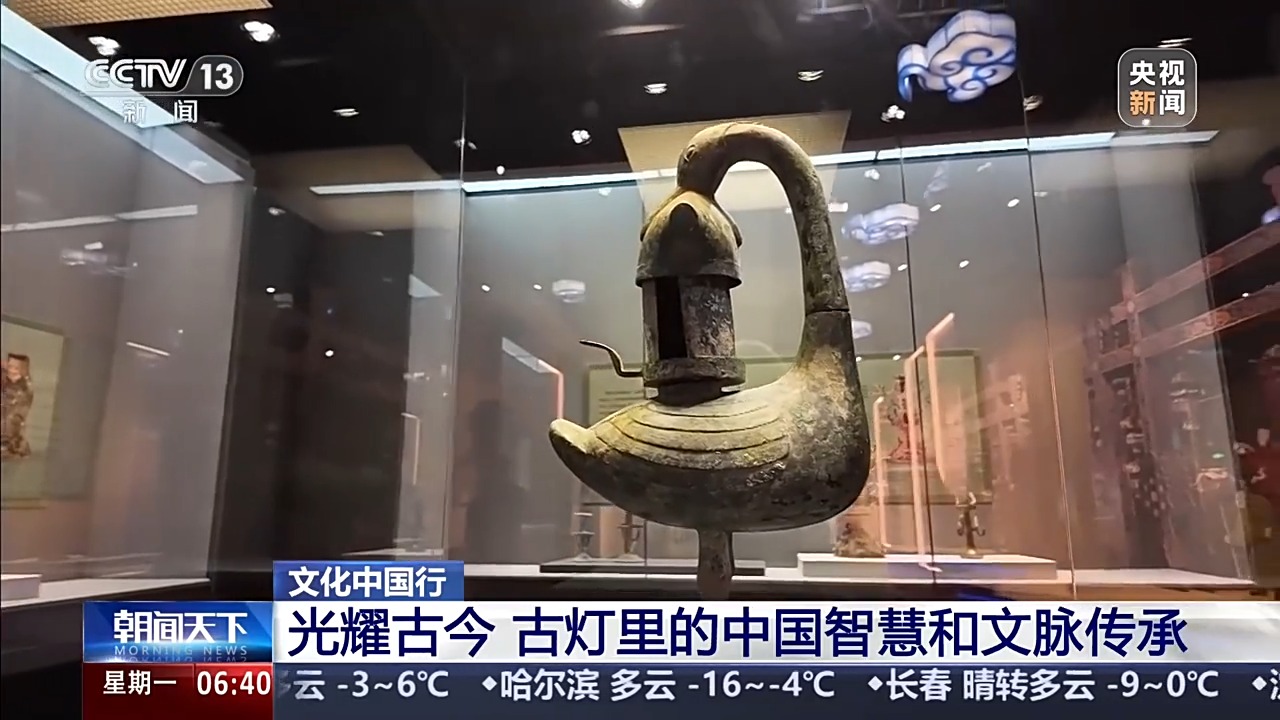
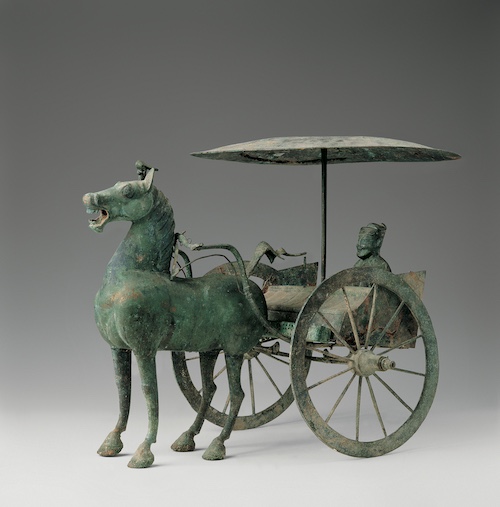
Core Viewpoint - Various museums in Shanghai, including the Shanghai Museum and the Shanghai Contemporary Art Museum, are launching special exhibitions and activities for the New Year, focusing on cultural heritage and contemporary art [1]. Group 1: Shanghai Museum Exhibitions - The Shanghai Museum is hosting the "Spring Wind Qiji: Year of the Horse Zodiac Exhibition" from February 4 to March 17, featuring 16 pieces of horse-themed artifacts spanning over a thousand years [2]. - The exhibition includes notable items such as the bronze horse and chariot from the Han Dynasty and various artworks by famous artists like Xu Beihong and Zhang Daqian [2]. - Additionally, the museum will offer a special program titled "Celebrating the New Year in the Museum," featuring traditional cultural activities and several ongoing exhibitions [4]. Group 2: Shanghai Contemporary Art Museum - The Shanghai Contemporary Art Museum will run its annual "Young Curators Program" from February 7 to May 5, showcasing individual artist exhibitions curated by emerging talents [5][6]. - This year's selected projects include "LiHi: Beautiful New Brain" and "Wish You Were Here in 2047," focusing on immersive experiences and the multifaceted identities of contemporary artists [6]. Group 3: Other Museum Activities - The PSA's special project "One Horse Returns to One Horse" will take place from February 10 to March 31, featuring 12 artists' interpretations of the horse as a living experience rather than a mere symbol of struggle [7]. - The Shanghai Biennale "Can Flowers Hear the Bees?" is currently ongoing and will continue until March 31 [8]. Group 4: Shanghai Science and Technology Museum - The "Galloping Steeds: Year of the Horse Science and Culture Exhibition" will be held at the Shanghai Science and Technology Museum starting February 17, showcasing the historical significance of horses through artifacts and interactive technology [12][13]. - The exhibition will feature over 20 horse-themed artifacts from the Palace Museum, integrating digital technology for an immersive experience [13]. - The Shanghai Science and Technology Museum will reopen on February 17 after renovations, with extended hours during the New Year holiday [13]. Group 5: Pudong Art Museum - The "Tribute to Whales" exhibition at the Pudong Art Museum will run from February 12, 2026, to February 21, 2027, featuring life-sized installations of two humpback whales [10]. - This exhibition is a collaboration with the Tate Museum, highlighting the connection between humans and nature through art [10][11].
文化中国行丨光耀古今 一览古灯里的中国智慧和文脉传承
Yang Shi Xin Wen· 2026-02-09 01:28
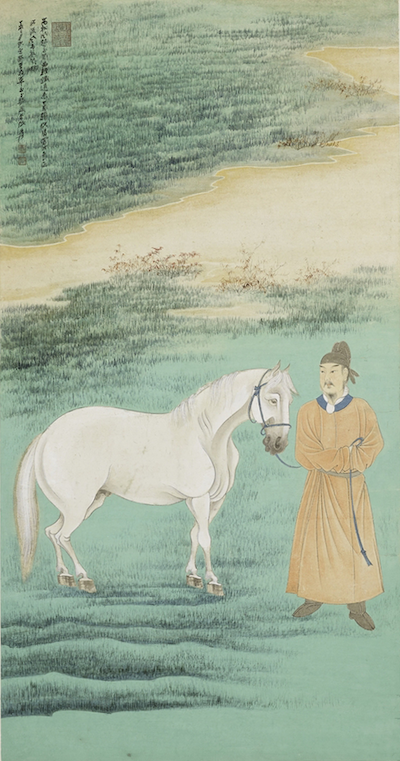
Core Viewpoint - The exhibition "Light Up a Thousand Years - The Culture of Ancient Chinese Lighting" at the Hebei Museum showcases the evolution of ancient Chinese lighting, highlighting its historical significance and artistic value across thousands of years. Group 1: Historical Evolution - The origins of Chinese lighting can be traced back to primitive fire sources, evolving through various forms such as pottery lamps in the Neolithic era and bronze lamps during the Shang and Zhou dynasties, culminating in masterpieces from the Western Han dynasty that integrate environmental concepts, mechanics, and aesthetics [1][3]. - The exhibition features over 150 precious artifacts that illustrate the journey of ancient Chinese lighting from its inception to its flourishing [1]. Group 2: Artistic and Functional Design - The Western Han dynasty's Yan Fish Copper Lamp, standing at 53.8 cm, exemplifies the integration of environmental considerations and practical functionality, showcasing a design that allows smoke to be filtered through water while also adjusting light direction and brightness [3]. - The Eastern Han dynasty's painted ceramic flower lamp demonstrates the ingenuity of ancient craftsmen with its intricate detachable design, influencing future lighting designs [5]. Group 3: Cultural Significance - The evolution of lighting materials from pottery to bronze, porcelain, enamel, and glass reflects continuous technological advancements and cultural integration, emphasizing the philosophy of utility and beauty coexisting [7]. - The diverse styles of lighting, from the grandeur of bronze lamps in the Warring States period to the elegance of ceramic lamps in the Wei, Jin, Tang, and Song dynasties, encapsulate emotional connections and cultural identity, symbolizing a collective aspiration for a better life [9].
46件动物主题文物集结
Xin Lang Cai Jing· 2026-02-08 22:43
Core Viewpoint - The exhibition "Life Rhythm - Ancient Animal Shaped Art Exhibition" recently opened at the Lu Xun Museum in Beijing, showcasing 46 pieces of animal-themed artifacts from the Henan Museum, providing a glimpse into an ancient "zoo" [1] Group 1: Exhibition Details - The exhibition features 46 pieces of artifacts organized into three sections: "Heaven and Earth Creation, Wild Charm," "Raising Birds and Livestock, Coexisting," and "Integration of Form and Spirit, Life Continuity" [1] - A prominent display is a Tang Dynasty painted pottery horse, notable for its dynamic pose and exquisite decorative patterns, symbolizing the craftsmanship of ancient artisans [1] Group 2: Featured Artifacts - The exhibition includes a small bronze elephant from the Han Dynasty, symbolizing "promotions and high positions," characterized by its round head and playful monkey riding on top [1] - Another highlight is a realistic bronze lamp shaped like a kneeling sheep from the Han Dynasty, showcasing intricate details and lifelike expressions [1] Group 3: Visitor Information - The exhibition will run until April 12, and admission is free for visitors [1]
去考古博物馆看年代最早的玉马
Xin Lang Cai Jing· 2026-02-08 08:13
Core Viewpoint - The exhibition "Jade Culture and Chinese Civilization" showcases 155 pieces of precious jade artifacts, highlighting the development of jade culture in China from the Neolithic era to modern times [1] Group 1: Exhibition Overview - The exhibition is held at the China Archaeological Museum and features representative jade artifacts from various historical periods, including the Erlitou culture, Western Zhou, Han tombs, Tang and Song dynasties, and Qing dynasty [1] - The artifacts illustrate the rich history and craftsmanship of jade culture in China, revealing the extraordinary wisdom of artisans throughout the ages [1] Group 2: Thematic Structure - The exhibition is organized into four main chapters: "Jade from the East," "Jade Meets Civilization," "Jade Gifts to the World," and "Jade Enriches China," showcasing the evolution of jade in terms of form, function, and cultural significance [1] - The opening section features the earliest known jade artifacts from the Aohan Xinglonggou site in Inner Mongolia, including jade discs, knives, and pendants [1] Group 3: Notable Artifacts - A notable highlight is the jade horse unearthed from the tomb of Fu Hao in Anyang, Henan, recognized as the earliest known horse representation in China, characterized by its small size and dynamic design [1]
从八大山人到美洲古代文明,上博今年有哪些大展?
Di Yi Cai Jing· 2026-01-29 06:20
Core Insights - Shanghai Museum announced its exhibition plan for 2026, featuring 12 new exhibitions at the People's Square and East Halls, along with 1 overseas exhibition and 5 ongoing exhibitions, totaling 18 special exhibitions [1][2] Group 1: Major Exhibitions - The highlight of 2026 will be the grand exhibition commemorating the 400th anniversary of the birth of Ba Da Shan Ren (Zhu Da), which will be the largest of its kind in history [1][26] - The "What is China" archaeological exhibition series will present its fifth installment focusing on the Qin Dynasty, the first centralized empire in Chinese history [1][18] - The "World Tree Summit: Ancient Civilizations of the Americas" exhibition will showcase over 1,000 artifacts from various ancient civilizations across the Americas [8][10] Group 2: Collaborative Exhibitions - The museum will collaborate with the British National Portrait Gallery to present the "Portraits and Works of British Writers" exhibition, featuring 82 notable authors from Shakespeare to J.K. Rowling [2][16] - A new exhibition on Silla artifacts will be held in collaboration with the National Museum of Korea, showcasing 90 groups of representative artifacts [20] - The "Jewelry Treasures" exhibition will be co-hosted with the Metropolitan Museum of Art, featuring 192 pieces from their collection [22] Group 3: Special Thematic Exhibitions - The "Spring Wind and Steed" zodiac exhibition will feature 16 pieces of horse-themed artifacts from various dynasties [3][4] - The "Joy of Temporary Possession" exhibition will display Ming and Qing porcelain donated by the late collector Hu Huichun, featuring over 300 pieces [6] - The "From the Himalayas: Treasures of Sakya Monastery" exhibition will highlight Tibetan Buddhist art and artifacts, showcasing the unique cultural heritage of the Sakya sect [24]
旧宫新语|故宫长春宫及体元殿原状陈列展正式开放
Xin Lang Cai Jing· 2026-01-27 00:10
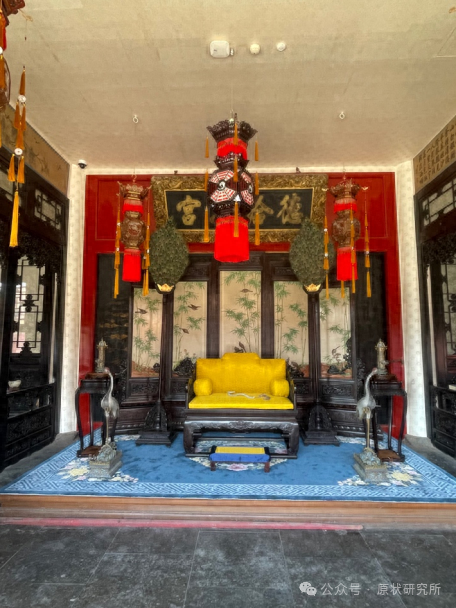
Historical Background - The Changchun Palace area was built during the Ming Dynasty and served as a residence for imperial concubines, later modified by Emperor Xianfeng for governance purposes [1] - Empress Dowager Cixi resided in Changchun Palace and made renovations for her 40th birthday, including converting the rear hall into a theater [1] - Since the establishment of the Palace Museum, the area has been preserved as a historical exhibition space, showcasing artifacts to recreate historical scenes [1] Renovation and Reopening - Due to severe structural issues, the Palace Museum initiated a restoration project for Changchun Palace in 2013 [2] - The restoration has been completed, and the buildings have met the requirements for exhibition use, with plans to reopen to the public by the end of September 2025, coinciding with the museum's 100th anniversary [2] Exhibition Format - The exhibition will focus on the living conditions of late Qing Dynasty imperial concubines, based on previous displays and adjusted according to historical records [3] - Visitors will primarily view the exhibits through glass windows, with various artifacts such as furniture, textiles, and ceramics displayed to recreate the living environment of the concubines [3] Selected Exhibits - The main hall of Changchun Palace features ceremonial items, including a gold-painted plaque and intricately designed furniture [4][6] - Notable artifacts include a nine-compartment box symbolizing prosperity and a clock with a water mechanism, showcasing the craftsmanship of the 18th century [8][10] - Additional items include a lantern vase from the Daoguang period and a black lacquered cosmetic box, reflecting the aesthetic preferences of the Qing court [12][14]
3月杭州看展:打开南宋的衣橱
Jing Ji Guan Cha Bao· 2026-01-26 07:25
Group 1 - The exhibition titled "Opening the Wardrobe of the Southern Song Dynasty" aims to promote the research of ancient Chinese clothing culture and the heritage of Song culture [1] - The exhibition will feature exquisite clothing and artifacts unearthed from the tombs of Zhao Boyuan and Huang Sheng, serving as the narrative core of the event [1] - The exhibition is planned to tour three locations: the China Silk Museum in Hangzhou, the Huangyan District Museum in Taizhou, and the Fujian Museum in Fuzhou [1] Group 2 - The exhibition is scheduled to take place from March 20, 2026, to June 7, 2026 [2] - The venue for the exhibition will be the temporary exhibition hall of the China Silk Museum located at 73-1 Yuhuangshan Road, Xihu District, Hangzhou [2]
【探索】收藏!沪上各大博物馆马年春节观展攻略→
Xin Lang Cai Jing· 2026-01-25 09:00
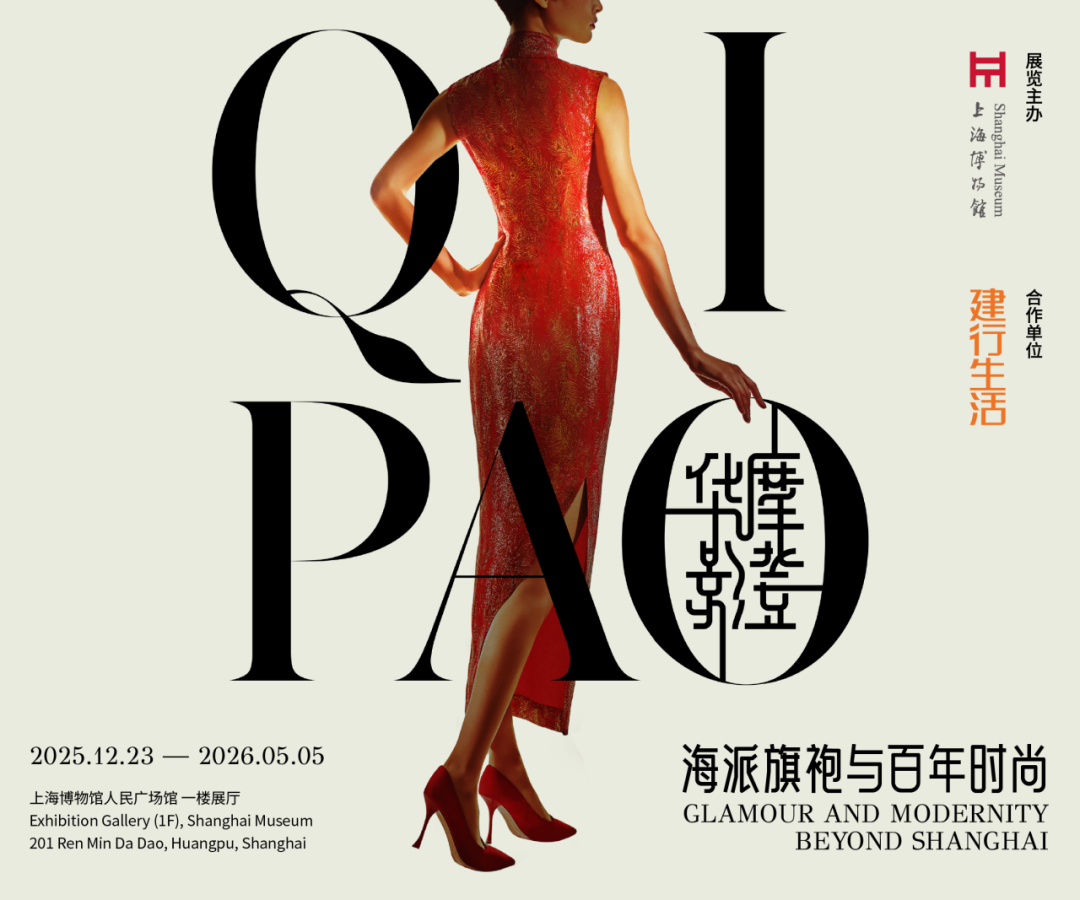
Core Insights - The article highlights various cultural exhibitions in Shanghai, showcasing a rich array of historical artifacts and artistic expressions, inviting the public to engage with cultural heritage during the upcoming Spring Festival [1]. Exhibition Summaries 1. Modern Huaying: Shanghai Cheongsam and Century-Old Fashion - The exhibition features nearly 306 pieces of cheongsam and fashion artifacts spanning over a century, with core exhibits donated by Ms. Bei Qia and Mr. Zhang Xinzhe [3]. - Duration: Now until May 5, 2026; Location: Shanghai Museum, People's Square [4]. - Admission: Free [4]. 2. Rome: From Olympus to Capitol - This exhibition includes 131 precious artifacts from the Liverpool National Museum, covering various categories such as sculptures, pottery, and glassware, all making their debut in Shanghai [7][10]. - Duration: Now until May 5, 2026; Location: Expo Museum [10]. - Admission: Free [10]. 3. Fusion of Ancient and Modern: Innovations in Bronze Art from the Song, Yuan, Ming, and Qing Dynasties - The exhibition features approximately 178 pieces, showcasing bronze artifacts from the Shanghai Museum and the Metropolitan Museum of Art, along with related artworks [13][14]. - Duration: Now until March 16, 2026; Admission: Free [14]. 4. Echoes of the Silk Road: Treasures and Civilizational Imprints from Xinjiang - The exhibition presents 110 precious artifacts that illustrate the unique position of ancient Xinjiang on the Silk Road, covering aspects of governance, trade, and cultural life [17][19]. - Duration: Now until May 19, 2026; Location: Minhang District Museum; Admission: Free [19]. 5. Galloping Steeds: Year of the Horse Technology and Culture Exhibition - This exhibition features 27 horse-themed artifacts from the Palace Museum and 11 rare horse specimens, highlighting the cultural significance of horses in Chinese civilization [22]. - Duration: February 17 to August 16, 2026; Location: Shanghai Science and Technology Museum; Admission: Early bird adult tickets available [22]. 6. Admiring Agarwood: Hainan Agarwood Culture Exhibition - This exhibition showcases rare agarwood artifacts and historical documents, emphasizing the cultural significance of agarwood in Chinese tradition [25]. - Duration: January 24 to March 22, 2026; Location: Shanghai History Museum; Admission: Free [25]. 7. Evidence of the Ancient Dian Kingdom: Yunnan Ancient Dian Civilization Exhibition - The exhibition features over 200 artifacts from the ancient Dian Kingdom, exploring its integration into Chinese civilization [28][29]. - Duration: Now until March 9, 2026; Admission: Requires museum entry ticket [30]. 8. Roaring Across the Land: China Dinosaur Exhibition - The exhibition includes 118 representative dinosaur specimens, narrating the evolutionary story of dinosaurs and their significance in Chinese geological history [30][32]. - Duration: Now until February 28, 2026; Location: Shanghai Natural History Museum; Admission: Requires museum entry ticket [32].