古籍修复

Search documents
破茧重光 《洪武南藏》的六百年等待与新生之旅
Xin Lang Cai Jing· 2026-01-15 22:31
Core Viewpoint - The restoration project of the Ming Dynasty rare book "Hongwu Nancang" has successfully concluded, showcasing the integration of traditional craftsmanship and modern technology in ancient book restoration, highlighting Sichuan's achievements in talent cultivation and skill inheritance in this field [6][13]. Group 1: Project Overview - The restoration project was officially reviewed on December 30, 2025, marking the completion of a year-long effort [6]. - The project was funded by the China Cultural Relics Protection Foundation's ByteDance Ancient Book Protection Fund and guided by the National Center for Ancient Book Protection [6]. - The project aims to explore restoration paths for over 300 other rare books awaiting repair [6]. Group 2: Restoration Process - Initial assessments revealed that some book leaves had up to 70% damage from insect infestation, necessitating careful selection of the most severely damaged volumes for pilot restoration [6][7]. - The restoration team utilized a combination of traditional methods and modern machinery, including a paper pulp repair machine, to enhance efficiency and precision in the restoration process [10]. - The team faced significant challenges in removing old backing paper, which had become a hindrance due to its strong adhesive properties [9][10]. Group 3: Technological Integration - The project employed a "no glue" repair method, using a paper pulp machine to fill in damaged areas without the risks associated with traditional adhesives [10]. - The restoration process involved detailed scientific diagnostics, confirming the paper composition and ensuring that the repair materials matched the original [7][10]. Group 4: Educational and Future Implications - The restoration team participated in a national training program to enhance their skills and knowledge in ancient book restoration techniques [11]. - The successful completion of this project has laid a solid foundation for future restoration efforts of other volumes and similar ancient texts [13]. - The digitalization project for "Hongwu Nancang" was completed in May 2025, allowing public access to this rare book [13]. Group 5: Legal Framework - The implementation of the "Sichuan Province Ancient Book Protection and Utilization Regulations" on January 1, 2026, establishes a legal framework to support the protection of ancient books in Sichuan [14].

四川成都:妙手修古籍
Ren Min Wang· 2025-09-20 04:30
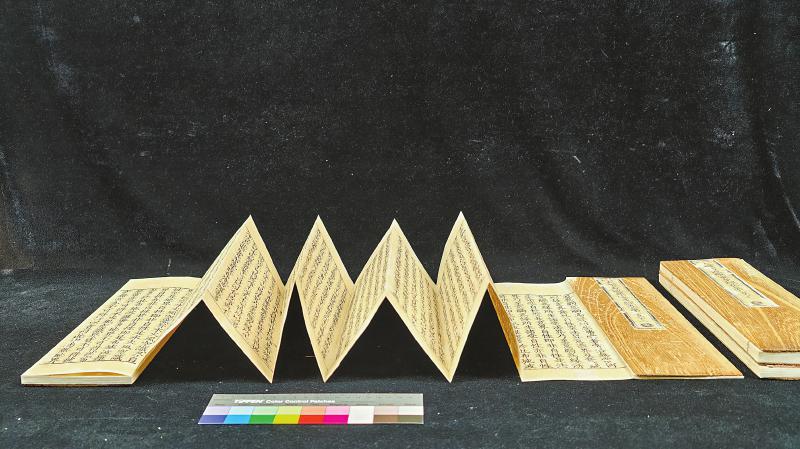
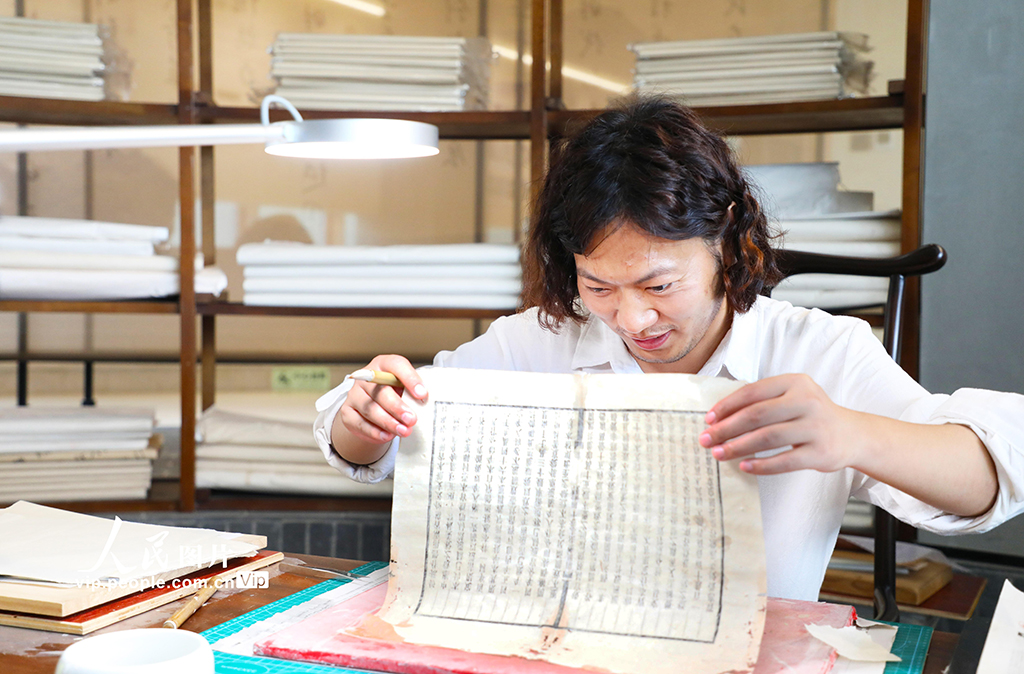
Core Viewpoint - The article highlights the efforts in Chengdu, Sichuan, to restore ancient books, showcasing the importance of preserving cultural heritage through skilled craftsmanship [1][2][3][4][5][6] Group 1: Restoration Efforts - Chengdu has established specialized teams dedicated to the restoration of ancient texts, employing traditional techniques to ensure authenticity [1][2] - The restoration process involves meticulous work, including repairing damaged pages and binding, which requires extensive training and expertise [3][4] Group 2: Cultural Significance - The restoration of ancient books is seen as a vital part of preserving Chinese culture and history, reflecting the region's commitment to heritage conservation [5][6] - Local institutions are collaborating to promote awareness and appreciation of ancient texts, aiming to engage the community in cultural preservation efforts [1][3]
时光栖息书叶间
Ren Min Ri Bao· 2025-09-11 22:21
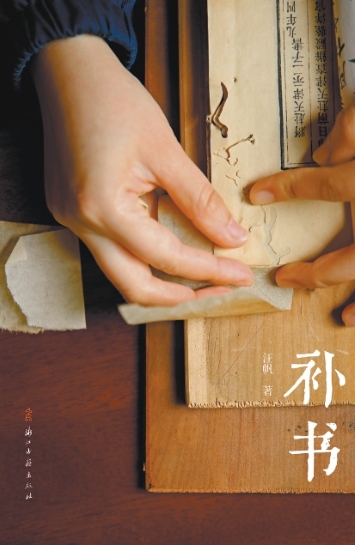
Core Viewpoint - The publication of "补书" reflects a deep passion for ancient book restoration, showcasing the author's journey and experiences in the field, while also highlighting the importance of traditional culture in contemporary society [1][4]. Group 1: Author's Journey and Experiences - The author was encouraged by Zhang Zhiqing, former deputy director of the National Library, to share experiences in ancient book restoration through a dedicated column [1]. - The writing process was initially challenging, but ultimately rewarding, as it allowed the author to express the nuances of book restoration and the beauty of nature surrounding their work environment [1]. - The author recalls the influence of various mentors in the field, each contributing to their understanding and skills in book restoration [1]. Group 2: Tools and Techniques - The author describes the tools used in restoration, such as the "小绿" brush and other specialized instruments, emphasizing their significance and the bond formed over years of use [2]. - The tools are portrayed not merely as objects but as extensions of the author's own hands, highlighting the intimate relationship between the restorer and their instruments [2]. Group 3: Cultural Significance and Impact - The book "补书" is seen as a culmination of nearly 20 years of experience in ancient book restoration, aiming to provide readers with a new perspective on the field [4]. - The previous publication, "寻纸," experienced significant demand, with 11 reprints shortly after its release, indicating a growing interest in traditional Chinese culture among readers [4]. - The author hopes that "补书" will foster a closer connection between the public and ancient books, serving as a testament to the time spent in the restoration process [4].
我在图书馆修古籍
Ren Min Ri Bao· 2025-05-05 22:17
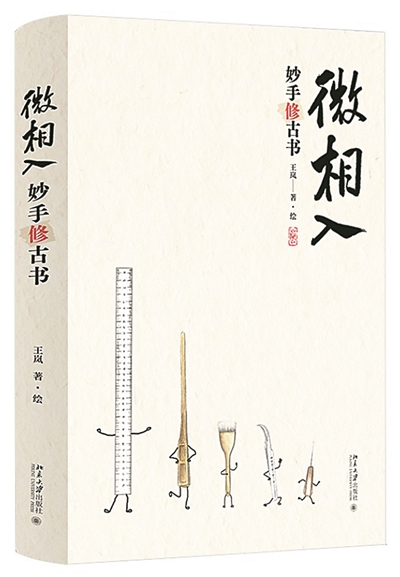
Core Insights - The article discusses the traditional craft of ancient book restoration, highlighting its historical significance and the meticulous techniques involved in the process [2][3][4]. Group 1: Historical Context - Ancient book restoration is an old and niche industry, with roots tracing back to the sale of books and the work of traditional craftsmen [2]. - The practice has gained recognition in recent years due to increased efforts in ancient book preservation [3]. Group 2: Techniques and Methods - Restoration methods still follow principles outlined in historical texts, emphasizing precision and minimal intervention, akin to modern conservation philosophies [3]. - The book "微相入:妙手修古书" details the restoration process through five sections: calamity, tools, paper, repair, and connection, illustrating the traditional techniques [3][4]. Group 3: Tools and Materials - Essential tools for restoration include bamboo knives, tweezers, and needles, often handmade by restorers to suit specific needs [4]. - The choice of repair paper is crucial, with traditional handmade paper being preferred for its compatibility with ancient texts, often requiring careful selection and matching [4]. Group 4: Practical Challenges - Most restoration work involves common Qing Dynasty texts, which often require urgent repairs without disassembly, testing the skills of restorers [5]. - The article describes the challenges faced in restoration, likening it to emergency medical care, where quick and effective solutions are necessary [5]. Group 5: Philosophical Approaches - Different restoration experts adopt unique methods, sometimes preserving historical damage as part of the book's narrative, reflecting a deeper understanding of restoration principles [5]. - The evolving techniques and philosophies of restoration are passed down through generations, adapting to contemporary practices while maintaining traditional values [6].