司法公信

Search documents
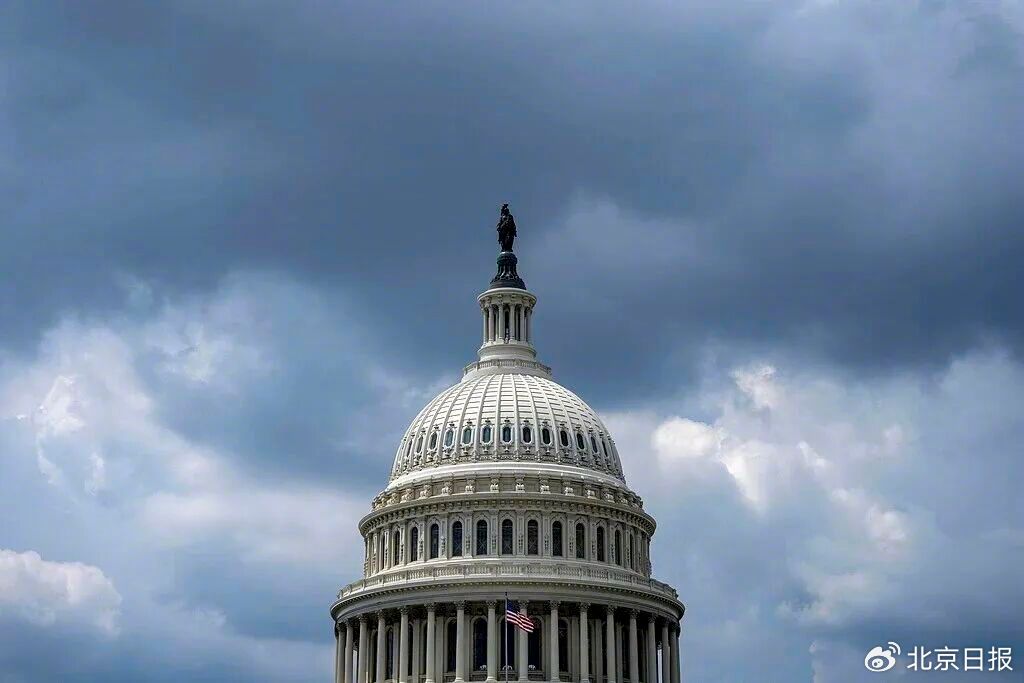
“山巅之城”撕破遮羞布
Xin Lang Cai Jing· 2026-02-03 23:55
Group 1 - The article discusses the unprecedented situation where former President Bill Clinton and former Secretary of State Hillary Clinton agreed to testify before the U.S. House Oversight Committee regarding the Jeffrey Epstein investigation, marking the first time a former president has faced such scrutiny since Gerald Ford in 1983 [1] - The investigation is seen as a political maneuver by the Republican Party to shift focus from Trump and his administration's handling of the Epstein case to prominent Democratic figures who had connections with Epstein [1][3] - The release of 3 million pages of documents, 2,000 video segments, and 180,000 images related to the Epstein case has implicated numerous elite figures, including business leaders and former advisors to Trump, highlighting the pervasive corruption within the American elite [3] Group 2 - The political landscape surrounding the Epstein case has become a battleground, with Democrats aiming to undermine the legitimacy of the Trump administration while Republicans seek to limit exposure of their own party's involvement [4] - The ongoing party conflict has overshadowed the pursuit of truth, turning the scandal into a political tool and sacrificing judicial integrity and social justice in the process [5] - The article emphasizes that the Epstein case reveals the decay of the American judicial system and the absurdity of political infighting, while also drawing parallels to recent incidents of violence involving U.S. Immigration and Customs Enforcement (ICE) [6][9]

有责必究,让“欠债还钱”重回社会常识
Xin Jing Bao· 2025-06-28 08:36
Core Viewpoint - The new regulations issued by the Supreme People's Court, Supreme People's Procuratorate, and the Ministry of Public Security aim to strengthen the enforcement of court judgments and penalize those who refuse to comply, effective from July 1 [2][3]. Group 1: Legal Framework and Enforcement - The joint opinion addresses the issue of "old debtors" who refuse to repay debts, highlighting the need for effective legal enforcement to protect the rights of creditors [2][3]. - The number of individuals listed as untrustworthy decreased for the first time in ten years, with 2.457 million instances recorded, a 23.4% decrease year-on-year, yet the total number of untrustworthy individuals remains high at 8.534253 million [3]. - The disparity between the number of untrustworthy individuals and the actual cases of criminal prosecution for refusal to execute judgments indicates a significant gap in legal enforcement [3][5]. Group 2: Challenges in Debt Collection - The current legal environment has led to a rise in the debt collection industry, as legitimate channels for enforcement are perceived as ineffective [3][4]. - Legislative measures against aggressive debt collection practices have created a challenging environment for collectors, leading to the emergence of a new industry focused on counter-collection [3][4]. - The enforcement challenges stem from various factors, including local protectionism and the high burden of proof required for creditors to pursue legal action against debtors [5]. Group 3: Proposed Solutions and Mechanisms - The new opinion aims to establish a clear mechanism for transferring enforcement responsibilities and address local protectionism, which has hindered effective legal action [5][6]. - It emphasizes the need for collaboration between courts and law enforcement to facilitate evidence collection for creditors [5]. - The proposal includes provisions to relax the standards for initiating cases in severe situations, which may help alleviate the difficulties faced by creditors in pursuing claims [5][6].